
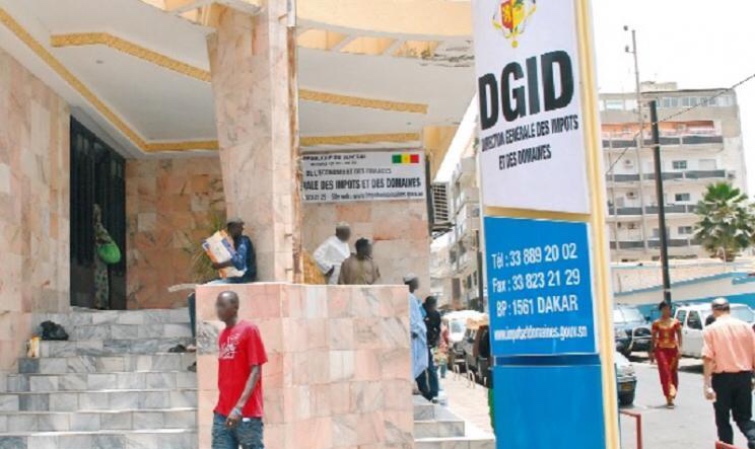
Elimane Pouye: Objects to "Cavalier" Direction Domaines Création Process
Summary
- Elimane Pouye, former SAID secretary general, criticized the "cavalier" method used to create the Direction générale des Domaines, du Cadastre et des Affaires foncières.
- Pouye highlighted the lack of consultation with affected agents and questioned who drafted the reform texts.
- He hypothesized that the reform might fulfill a two-decade-old International Monetary Fund request for a DGID split, though he presented this as a possibility.
- On November 25, 2026, the SAID filed a strike notice, demanding the suspension of reforms and the opening of consultations.
- The union's action represents a significant escalation in the contestation surrounding Senegal's land reform initiatives.
A Contentious Creation
The creation of the Direction générale des Domaines, a key component of Senegal's ongoing administrative reforms, has thus immediately faced scrutiny regarding its procedural legitimacy from a prominent voice within the affected professional community.
Elimane Pouye, the former secretary general of the Syndicat autonome des agents des impôts et des domaines (SAID), has voiced strong objections to the process behind the establishment of a new Direction générale des Domaines, du Cadastre et des Affaires foncières. While reserving his final judgment on the specific provisions of the decree itself, Pouye characterized the approach taken for this significant organizational change as "cavalier." His primary concern centers on the perceived lack of meaningful engagement with the very agents who will be directly impacted by the reform.
Pouye emphasized that the effective administration of land and the national domain necessitates extensive dialogue and collaboration. He specifically questioned the individuals responsible for drafting the foundational texts for this new entity, advocating for the inclusion of insights and practical experience from both former officials and current agents. The creation of the Direction générale des Domaines, a key component of Senegal's ongoing administrative reforms, has thus immediately faced scrutiny regarding its procedural legitimacy from a prominent voice within the affected professional community.
Unpacking the Reform's Genesis
The broader context of this administrative overhaul, which includes the création Direction générale Domaines Sénégal, has also been a subject of speculation. Reports from outlets such as Vox Populi and lactuacho have relayed Elimane Pouye's hypothesis that the impetus for this particular reform might trace back to a long-standing demand from the International Monetary Fund (FMI). According to Pouye, the FMI has, for at least two decades, advocated for a structural division within the Directorate General of Taxes and Domains (DGID).
It is crucial to note that Pouye presented this potential link to the FMI's historical recommendations as a plausible explanation, rather than a confirmed fact. Nevertheless, this perspective introduces an international dimension to the domestic réforme foncière Sénégal, suggesting external pressures may be influencing internal policy decisions. The management of Senegal's land resources and national assets is a complex area, and any significant restructuring, such as the one proposed, inherently carries substantial implications for governance and public administration.
Union Mobilization and Demands
The discontent surrounding the Elimane Pouye réforme foncière Sénégal has escalated beyond mere criticism, culminating in concrete action from the Syndicat autonome agents impôts domaines grève. On November 25, 2026, the SAID formally submitted a strike notice to the Minister of Public Service, Labor, and Public Service Reform. This move signals a significant escalation in the union's opposition to the current reform trajectory.
The core demands articulated by the union are clear: they seek an immediate suspension of the ongoing reforms and the initiation of genuine, inclusive consultations with all relevant stakeholders. This réforme foncière contestation syndicale underscores the deep-seated concerns among agents regarding the process and potential ramifications of the new Direction générale des Domaines. Furthermore, Pouye issued a broader political caution, warning against minor procedural deviations and the silence of those who should be actively challenging such developments, highlighting the wider implications of this dispute.
Practical Implications
Lawyers and compliance officers involved in land and property transactions in Senegal should closely monitor the ongoing controversy and potential union actions regarding the creation of the Direction générale des Domaines. This dispute could lead to administrative delays, procedural changes, or legal challenges in land registration, cadastral services, and property affairs, directly impacting client transactions and compliance requirements.
Source
How does this affect you?
Get an AI analysis of this article grounded in your jurisdictions, practice areas, and any policy documents you've uploaded to Wansom.
Finish Reading the Full Story and the Expert Analysis.
Get the latest legal & regulatory intelligence in Senegal
Wansom is AI and can make mistakes.