
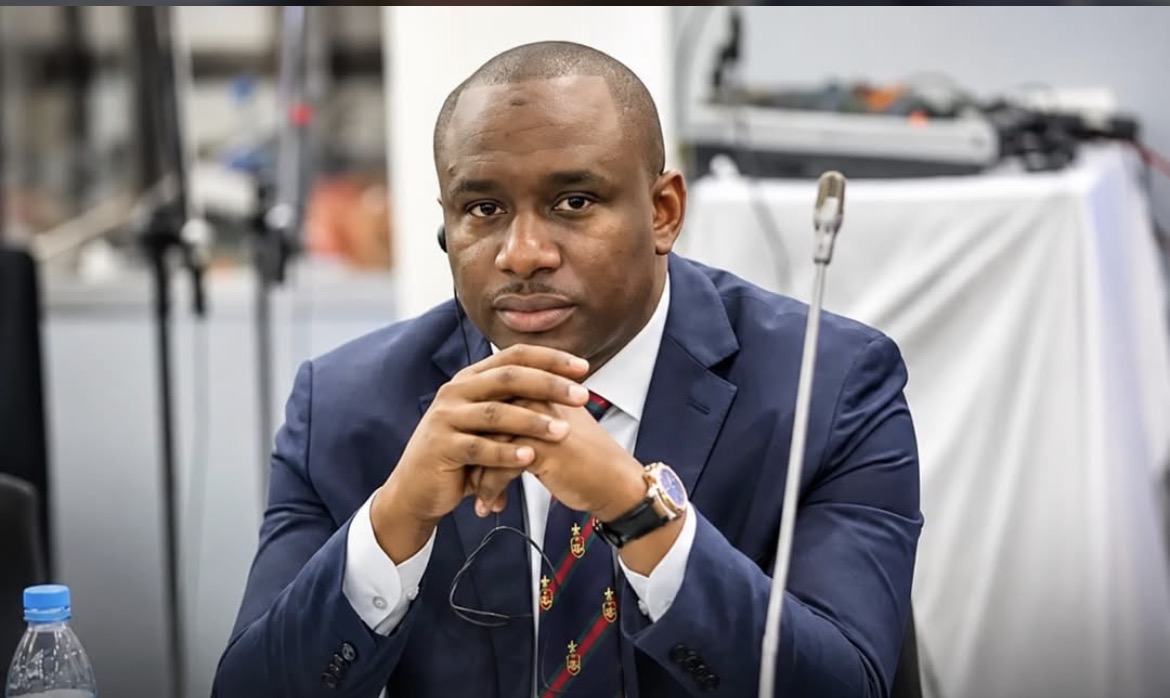
Élimane Lam: TikTokeur Accusation in Senegal Cybercrime Probe
Summary
- Businessman Élimane Lam was placed in police custody on Wednesday.
- He is accused of paying a TikToker to insult an individual in a case involving Rokhaya Fall, also known as "Rox la Chancelière."
- Lam admits to making money transfers but claims they were for "social works," denying payments to any TikToker for insults.
- The Division spéciale de cybersécurité is investigating the matter as an Élimane Lam cybercrime investigation.
- Lam is scheduled to appear before an investigating judge at the Pikine-Guédiawaye tribunal on Thursday.
Initial Accusations and Detention
The ongoing Élimane Lam cybercrime investigation serves as a significant reminder for individuals and businesses about the potential criminal liabilities associated with funding online content creators whose activities could be deemed illegal.
Élimane Lam, a prominent businessman, was recently taken into police custody in connection with an ongoing investigation that has drawn significant public attention. This development occurred on Wednesday, preceding his anticipated appearance before an investigating judge. The case specifically involves allegations related to Rokhaya Fall, who is also known by her social media moniker, "Rox la Chancelière," and has been a central figure in the inquiry.
The core of the accusation against Mr. Lam centers on claims that he financially compensated a TikTok user for the express purpose of insulting an individual. This type of alleged activity, if proven, would fall squarely under the umbrella of cybercrime, prompting the immediate involvement of specialized law enforcement units dedicated to digital offenses. The businessman, however, has firmly contested these serious allegations.
While Mr. Lam acknowledges having made various financial transfers, he has provided an alternative explanation for these transactions. He characterizes these admitted transfers as contributions to "social works," firmly distancing them from any alleged payments to social media influencers for defamatory content. He explicitly refutes any suggestion that he provided funds to any TikToker to engage in insulting behavior against any person, maintaining his innocence regarding the specific charges of funding online defamation.
Legal Framework and Ongoing Investigation
The investigation into Mr. Lam's activities is being conducted by the Division spéciale de cybersécurité (DSC), a specialized unit tasked with addressing digital offenses. This involvement underscores the serious nature of the allegations, which touch upon online defamation and the potential misuse of social media platforms for harassment. The DSC's role highlights the growing emphasis on combating cybercrime within the nation's legal framework.
Following his period of police custody, Mr. Lam is slated to be presented to an investigating judge. This crucial step in the legal process is scheduled for Thursday. The specific judicial authority overseeing this matter is the judge from the second cabinet of the Tribunal de Grande Instance de Pikine-Guédiawaye. This presentation will determine the next phase of the legal proceedings, potentially leading to formal charges or further investigative measures as the Élimane Lam cybercrime investigation progresses.
Implications for Online Conduct in Senegal
This high-profile case involving Élimane Lam and the alleged payments to a TikToker highlights the increasing focus in Senegal on financial transactions linked to social media influence, particularly when such influence is suspected of being used for defamation or cyber-harassment. The legal system is demonstrating a growing willingness to scrutinize the financial underpinnings of online content creation, especially when it crosses into illicit territory. This signals a broader trend towards holding individuals accountable for their roles in facilitating harmful online behavior.
The ongoing Élimane Lam cybercrime investigation serves as a significant reminder for individuals and businesses about the potential criminal liabilities associated with funding online content creators whose activities could be deemed illegal. The involvement of the Division spéciale de cybersécurité and the Pikine-Guédiawaye tribunal signals a robust approach to combating Senegal online defamation and other digital offenses. This scrutiny extends beyond the direct perpetrators of online insults to those who may facilitate or fund such actions, emphasizing the critical need for careful consideration of compliance risks in the digital sphere and the ethical implications of supporting online personalities.
Practical Implications
This case highlights the increasing scrutiny of financial transactions linked to social media influence, particularly concerning potential defamation or cyber-harassment. Legal professionals should advise clients on the compliance risks and potential criminal liabilities associated with funding online content creators whose activities could be deemed illicit.
Source
How does this affect you?
Get an AI analysis of this article grounded in your jurisdictions, practice areas, and any policy documents you've uploaded to Wansom.
Finish Reading the Full Story and the Expert Analysis.
Get the latest legal & regulatory intelligence in Senegal
Wansom is AI and can make mistakes.