
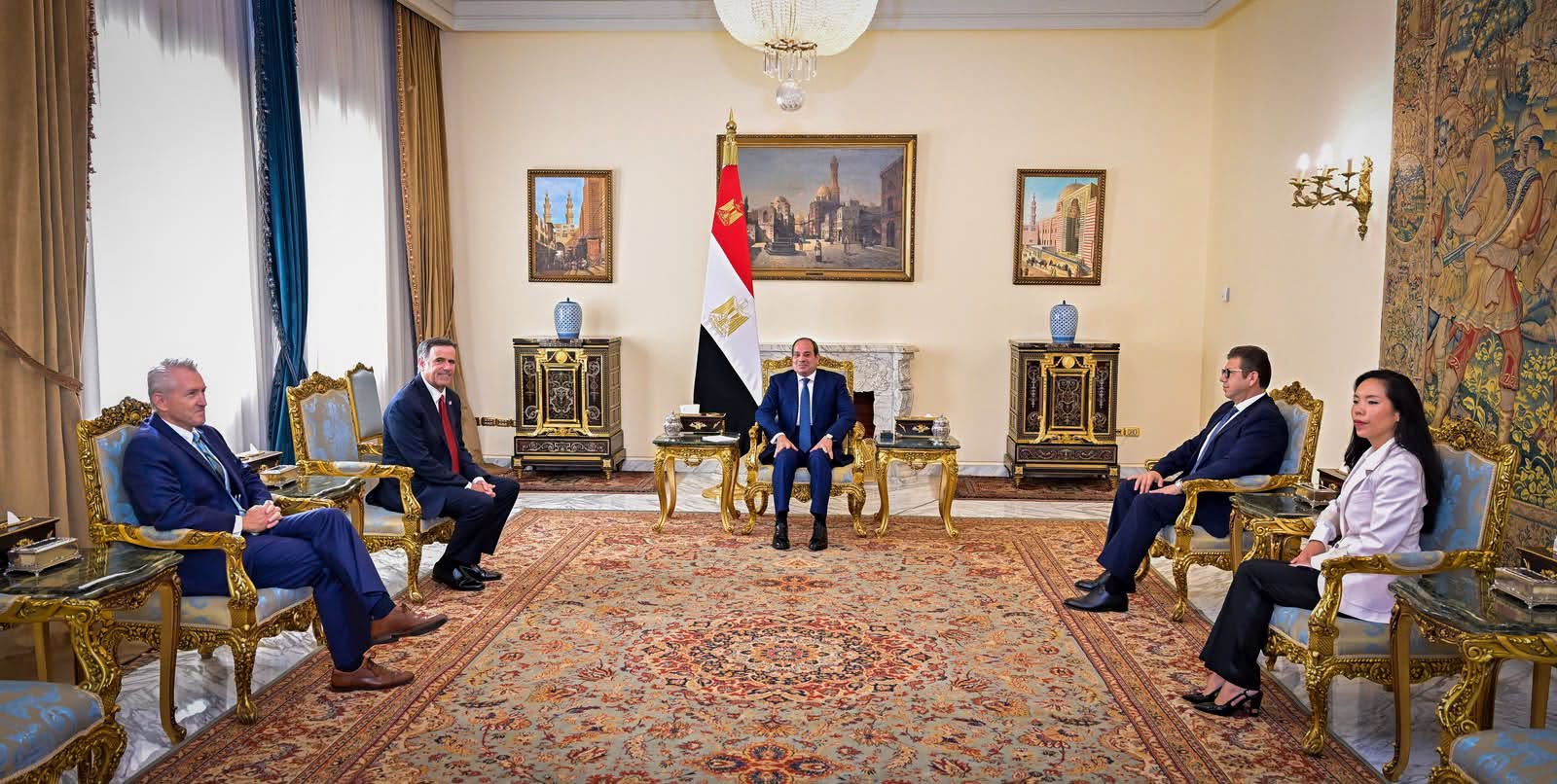
El-Sisi, CIA Director Discuss Sudan War Amid Diplomatic Push
Summary
- Egyptian President Abdel Fattah El-Sisi and CIA Director John Ratcliffe discussed the Sudan war in Cairo, with El-Sisi affirming support for Sudan's unity and sovereignty.
- Egypt is actively working through regional and international channels to end the conflict, alleviate suffering, and foster a political resolution in Sudan.
- CIA Director Ratcliffe underscored the importance of ongoing US-Egyptian collaboration on Sudan and broader security issues in the Horn of Africa.
- Concurrently, former Sudanese Prime Minister Abdalla Hamdok led a civilian delegation to New York for meetings with international officials during the UN General Assembly.
- Hamdok's delegation aims to advocate for an end to the war and address Sudan's severe humanitarian crisis, despite reported divisions among Sudanese civilian groups and visa delays for some members.
High-Level Diplomatic Engagements on Sudan
The convergence of these diplomatic efforts, including the El-Sisi CIA Sudan war discussions and the civilian delegation's advocacy, underscores the profound regional and international concern over the protracted conflict.
Egyptian President Abdel Fattah El-Sisi recently engaged in discussions with US Central Intelligence Agency Director John Ratcliffe in Cairo, focusing on the ongoing conflict in Sudan. During their meeting, President El-Sisi reiterated Egypt's unwavering commitment to preserving Sudan's territorial integrity, sovereignty, and the stability of its state institutions. He further articulated Egypt's active role within both regional and international frameworks, aiming to facilitate an end to the hostilities, alleviate the severe humanitarian suffering, and foster a sustainable political resolution.
Director Ratcliffe, representing the United States, underscored the critical importance of sustained coordination between the US and Egypt regarding the situation in Sudan. This emphasis on collaboration extended beyond Sudan to encompass broader security concerns across the volatile Horn of Africa region. The discussions highlight the shared international interest in de-escalating the conflict and ensuring regional stability.
These high-level talks occurred concurrently with a significant diplomatic initiative led by former Sudanese Prime Minister Abdalla Hamdok. Hamdok spearheaded a civilian delegation to New York, where they held meetings with various US and international officials. These engagements took place on the sidelines of the United Nations General Assembly (UNGA), providing a prominent platform for addressing the Sudanese crisis.
Civilian Efforts and Internal Divisions
The primary objective of the delegation led by former Prime Minister Abdalla Hamdok during their New York visit was to advocate for an immediate cessation of the war in Sudan. Furthermore, the delegation aimed to draw urgent attention to the country's rapidly deteriorating humanitarian crisis, seeking international support and intervention to mitigate the widespread suffering. Their presence at the UNGA provided a crucial opportunity to amplify these calls on a global stage.
However, the composition of Hamdok's delegation itself has brought to light existing divisions among Sudanese civilian forces, a point noted by critics. Shihab Ibrahim, who leads the Civil Democratic Alliance of Revolutionary Forces (Sumoud), confirmed in an interview with Radio Dabanga that the delegation's visit was scheduled to span approximately two weeks. He also disclosed that some prospective members were unable to travel due to delays in obtaining necessary visas.
Despite these internal challenges and logistical hurdles, Ibrahim affirmed that the delegation remained committed to pursuing its stated goals. Plans were also in place to engage and involve their supporters residing in North America in various meetings scheduled throughout the duration of their visit, aiming to broaden the base of support for their peace and humanitarian advocacy.
Implications for Regional Stability
The convergence of these diplomatic efforts, including the El-Sisi CIA Sudan war discussions and the civilian delegation's advocacy, underscores the profound regional and international concern over the protracted conflict. Egypt's stated commitment to Sudan's unity and sovereignty, coupled with its active engagement in regional and international frameworks, positions it as a key player in any potential resolution. The emphasis by Director John Ratcliffe on continued Egypt US Sudan coordination further solidifies the view that a concerted international approach is deemed essential for addressing the multifaceted challenges posed by the conflict.
The ongoing Sudan conflict diplomatic efforts are not merely about ending hostilities but also about safeguarding the broader security landscape of the Horn of Africa. The humanitarian crisis in Sudan, highlighted by Hamdok's delegation at the UNGA, adds another layer of urgency to these discussions, demanding immediate and coordinated responses from the international community. The outcomes of these high-level engagements could significantly influence future policy directions, humanitarian aid frameworks, and potential pathways toward a lasting peace in Sudan.
Practical Implications
Lawyers advising clients with interests in Sudan should monitor these high-level diplomatic engagements for potential shifts in international policy, sanctions, or humanitarian aid frameworks that could impact business operations and compliance.
Source
How does this affect you?
Get an AI analysis of this article grounded in your jurisdictions, practice areas, and any policy documents you've uploaded to Wansom.
Finish Reading the Full Story and the Expert Analysis.
Get the latest legal & regulatory intelligence in Sudan
Wansom is AI and can make mistakes.