
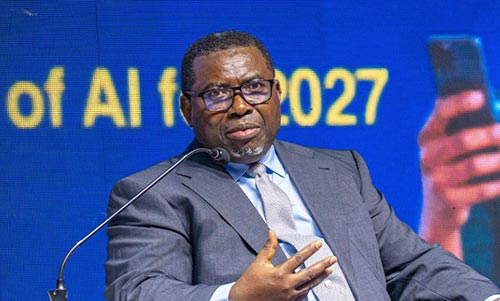
El-Shadai Ikeh Seeks INEC AI Election Injunction at Federal High Court Lagos
Summary
- Barrister El-Shadai Ikeh has filed a lawsuit against Nigeria's Independent National Electoral Commission (INEC) and its chairman.
- The legal action, lodged at the Federal High Court in Lagos, challenges INEC's proposed use of artificial intelligence (AI) for election result verification, auditing, and review.
- Ikeh, a legal practitioner and 2027 House of Representatives candidate, is seeking an injunction to prevent the automated review of results in the 2027 general elections.
- The lawsuit questions the lawful role of AI in collating election results and could set a precedent for AI deployment in critical public processes.
What Happened
This litigation signals an emerging legal challenge to the use of artificial intelligence in critical public processes in Nigeria.
A significant legal action has been initiated against Nigeria's electoral body, the Independent National Electoral Commission (INEC), and its chairman, Professor Joash Ojo Amupitan, SAN. Barrister El-Shadai Ikeh, a legal practitioner who is also a candidate for the House of Representatives in the upcoming 2027 general elections, is the plaintiff in this case. The lawsuit, filed before the Federal High Court in Lagos, directly challenges INEC's stated intention to employ artificial intelligence (AI) in critical stages of the electoral process.
Ikeh's legal petition specifically targets the proposed use of AI for the verification, auditing, and review of election results. This move by a prospective political candidate and legal expert highlights a growing concern over the integration of advanced technology into sensitive public functions, particularly those that underpin democratic integrity. The case, which names both the commission and its head, Joash Ojo Amupitan AI election, seeks to prevent the implementation of these automated processes.
The Legal Challenge
Central to Barrister Ikeh's argument is the assertion that artificial intelligence lacks a lawful role in the collation and processing of election results. His legal filing aims to secure a judicial injunction that would effectively prohibit INEC from proceeding with its plans for an automated review system for electoral outcomes. This challenge directly questions the statutory authority and the existing legal framework that would permit the deployment of AI in such a crucial national exercise, especially concerning the integrity of results.
The lawsuit, framed as Ikeh challenges INEC AI results, seeks to prevent the electoral body from using AI to verify, audit, and review results in the 2027 general elections. This action could set a significant precedent regarding the permissible scope of technological intervention in Nigeria's electoral system. It raises fundamental questions about whether current legislation adequately addresses the integration of AI into result verification and auditing processes, thereby initiating a potentially landmark Nigeria AI election verification lawsuit.
Wider Implications
This litigation signals an emerging legal challenge to the use of artificial intelligence in critical public processes in Nigeria. The outcome of this case before the Federal High Court Lagos INEC AI could have far-reaching consequences, influencing how future technological advancements are adopted by government agencies, particularly concerning the 2027 elections artificial intelligence Nigeria. It underscores a broader debate about the balance between technological innovation and established legal frameworks in sensitive sectors.
For legal professionals, monitoring this litigation is crucial to understanding the potential legal precedents regarding AI deployment in government functions. Key areas of focus include regulatory compliance, data integrity, and the scope of judicial intervention in technological adoption for sensitive operations like election management. This case highlights the imperative for clients, especially those operating in regulated sectors, to thoroughly assess the legal risks associated with integrating AI into their operations, ensuring adherence to existing laws and anticipating future regulatory developments.
Practical Implications
This case signals an emerging legal challenge to the use of artificial intelligence in critical public processes in Nigeria. Lawyers should monitor this litigation to understand the potential legal precedents regarding AI deployment in government functions, particularly concerning regulatory compliance, data integrity, and the scope of judicial intervention in technological adoption for sensitive operations like election management. It highlights the need for clients to assess the legal risks of using AI in regulated sectors.
Source
How does this affect you?
Get an AI analysis of this article grounded in your jurisdictions, practice areas, and any policy documents you've uploaded to Wansom.
Finish Reading the Full Story and the Expert Analysis.
Wansom is AI and can make mistakes.