
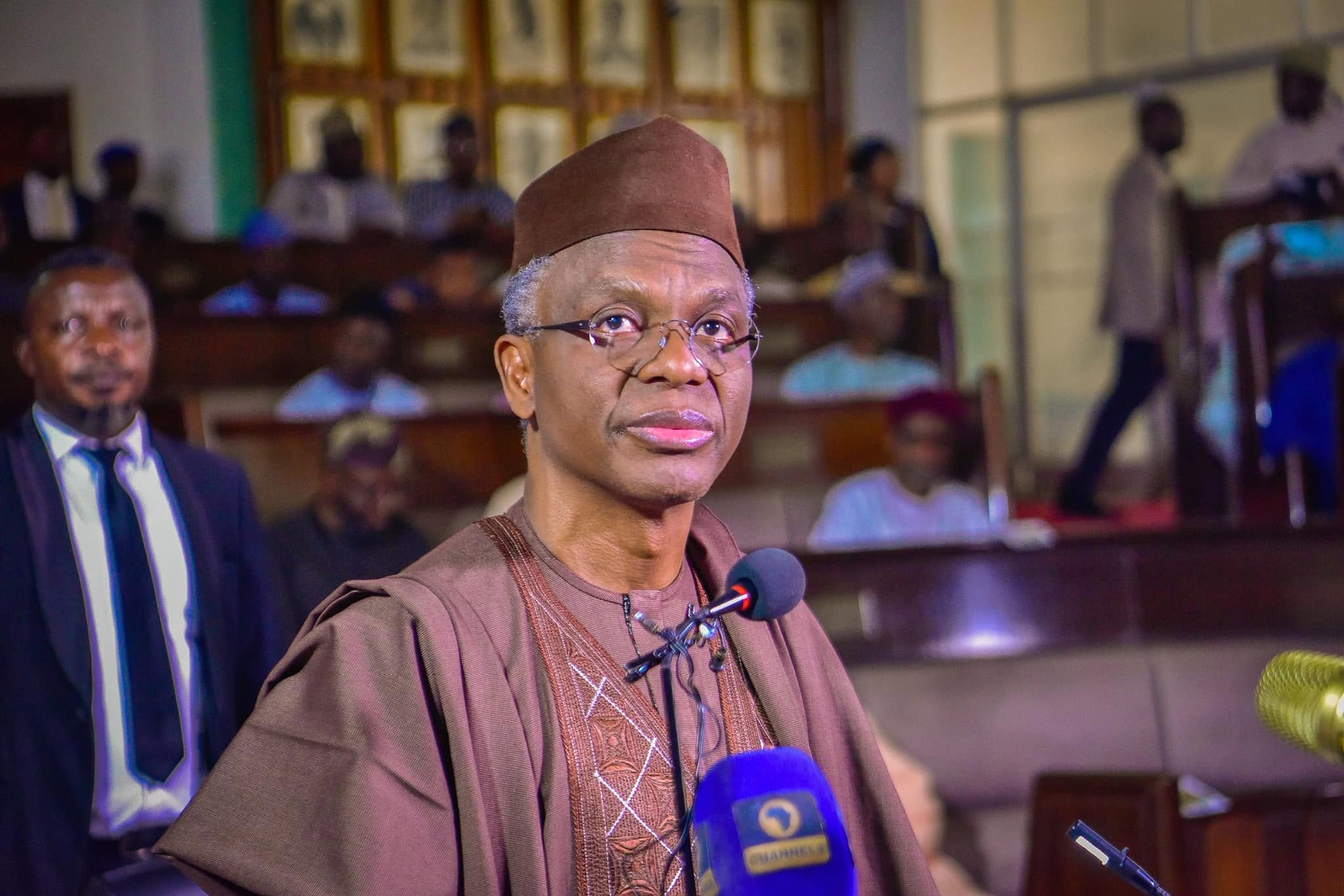
El-Rufai ICPC Corruption Allegations Nigeria: Former Governor Detained
Summary
- Former governor El-Rufai has been detained by the Independent Corrupt Practices and Other Related Offences Commission (ICPC).
- His detention is connected to serious corruption allegations currently under investigation by the anti-graft agency.
- While in custody, El-Rufai published a statement on Facebook titled "My Relationships and the Aftermath."
- The ICPC is a primary Nigerian body responsible for investigating and prosecuting corrupt practices.
Developments Surrounding Former Governor El-Rufai
This event contributes to the national conversation about transparency and integrity in public service, potentially setting a precedent for how future cases involving former state leaders are handled.
The Independent Corrupt Practices and Other Related Offences Commission (ICPC) has taken a former governor into custody, initiating an investigation into serious corruption allegations. This development involves El-Rufai, a prominent political figure, whose detention by the anti-graft agency signals a significant move in Nigeria's ongoing efforts to combat financial malfeasance. The specific nature of the allegations has led to his current status under the commission's purview, underscoring the intensified scrutiny faced by public officials.
In response to these unfolding events, the former governor utilized social media to communicate his perspective. He released a statement on Facebook, which he titled "My Relationships and the Aftermath." This public address, delivered amidst his detention, offered insights into his personal reflections during this challenging period, particularly concerning his relationships and the consequences of his current circumstances. The decision to issue such a statement from custody highlights the immediate and public nature of the legal challenges he is encountering.
The Mandate of the ICPC and Legal Framework
The Independent Corrupt Practices and Other Related Offences Commission (ICPC) operates as a key institution within Nigeria's legal and regulatory landscape, specifically tasked with the eradication of corruption. Established to address the pervasive issue of financial misconduct, the commission possesses broad powers to investigate, prosecute, and prevent corrupt practices across all sectors of public life. Its mandate extends to scrutinizing individuals who have held positions of power, ensuring accountability for actions undertaken during their tenure.
The detention of a former governor by the ICPC on corruption allegations falls squarely within the commission's operational scope. Such allegations typically involve misuse of public funds, abuse of office, or other forms of economic crimes that contravene Nigerian anti-corruption statutes. The legal process following detention by the ICPC involves thorough investigation, gathering of evidence, and potentially, formal charges and prosecution, all aimed at upholding the rule of law and deterring future corrupt acts.
Broader Implications for Governance and Accountability
The detention of a high-profile individual like El-Rufai by a federal anti-corruption body carries substantial weight for Nigeria's governance and public accountability discourse. It reinforces the perception that no individual, regardless of their past political standing, is beyond the reach of law enforcement when allegations of corruption surface. This event contributes to the national conversation about transparency and integrity in public service, potentially setting a precedent for how future cases involving former state leaders are handled.
Furthermore, the former governor's decision to issue a public statement titled "My Relationships and the Aftermath" from detention adds another layer to the narrative. It not only offers a personal dimension to his legal predicament but also engages the public directly, potentially influencing public opinion and shaping the political dialogue around anti-corruption efforts in Nigeria. The ongoing scrutiny underscores the critical importance of robust institutions like the ICPC in fostering a culture of accountability within the nation's political sphere.
Source
How does this affect you?
Get an AI analysis of this article grounded in your jurisdictions, practice areas, and any policy documents you've uploaded to Wansom.
Finish Reading the Full Story and the Expert Analysis.
Get the latest legal & regulatory intelligence in Nigeria
Wansom is AI and can make mistakes.