
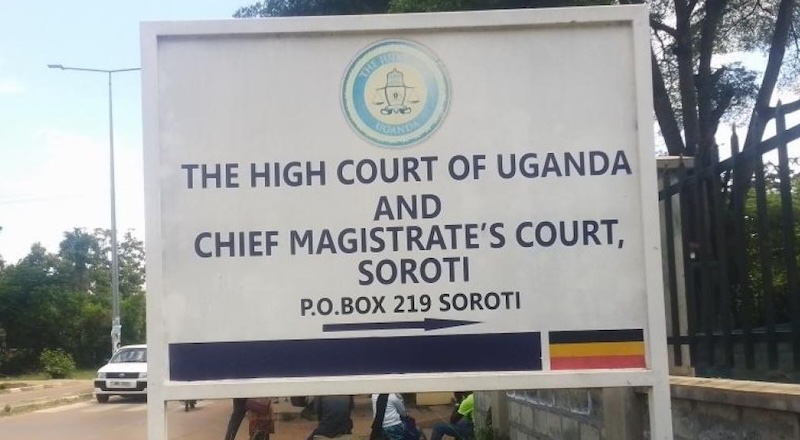
Soroti High Court: Egyptian Nationals Sentenced to 22 Years for Uganda Murder
Summary
- Two Egyptian nationals were sentenced to 22 years in prison for murdering their colleague in Soroti, Uganda.
- The High Court in Soroti handed down the lengthy sentence after the defendants pleaded guilty to the crime.
- The case has implications for international business interests operating in Uganda and highlights the importance of understanding local laws and regulations.
Uganda's High Court Hands Down Lengthy Sentences
The court's decision marks a significant development in the case, which has been ongoing since February 2024.
In a recent ruling, the High Court in Soroti, Uganda, has sentenced two Egyptian nationals to 22 years in prison for their role in a murder case. The convicted individuals, Muhamed Nabil Mohammed Ali Shokr and Fahim Abdlhalim Abbas Badawy, pleaded guilty to the crime. According to reports, the victim was Mahmoud Ahmed Zinhom Ibrahim Selim, a businessman from Egypt who was working in Uganda.
The court's decision marks a significant development in the case, which has been ongoing since February 2024. The exact circumstances surrounding the murder remain unclear, but it is reported that the body of the victim was found beneath Awoja.
Relevant Legal Context
The sentencing of the two Egyptian nationals raises questions about the application of Uganda's laws regarding criminal liability for foreigners. While the specifics of the case are not publicly disclosed, it is worth noting that Uganda has a reputation for being a challenging jurisdiction for foreign nationals accused of crimes. In recent years, there have been several high-profile cases involving foreign nationals who have faced lengthy prison sentences or even capital punishment.
The Egyptian government has historically maintained good relations with Uganda, but the case may have implications for bilateral ties between the two countries. As Egypt-Uganda relations law continues to evolve, this precedent could set a new standard for how foreign nationals are treated in Ugandan courts.
Why This Matters
The Soroti High Court's decision has significant implications for international business interests operating in Uganda. Lawyers advising clients with operations in the country should be aware of this precedent and its potential impact on liability and sentencing for foreign nationals accused of crimes.
As global trade and investment continue to increase, understanding the nuances of local laws and regulations becomes increasingly important. This case serves as a reminder that even seemingly minor infractions can have severe consequences under Ugandan law.
Practical Implications
Lawyers advising clients with international business interests should watch for the implications of this precedent on liability and sentencing for foreign nationals accused of crimes in Uganda.
Source
How does this affect your business?
Get an AI analysis of this article grounded in your jurisdictions, practice areas, and any policy documents you've uploaded to Wansom.
Wansom is AI and can make mistakes.