
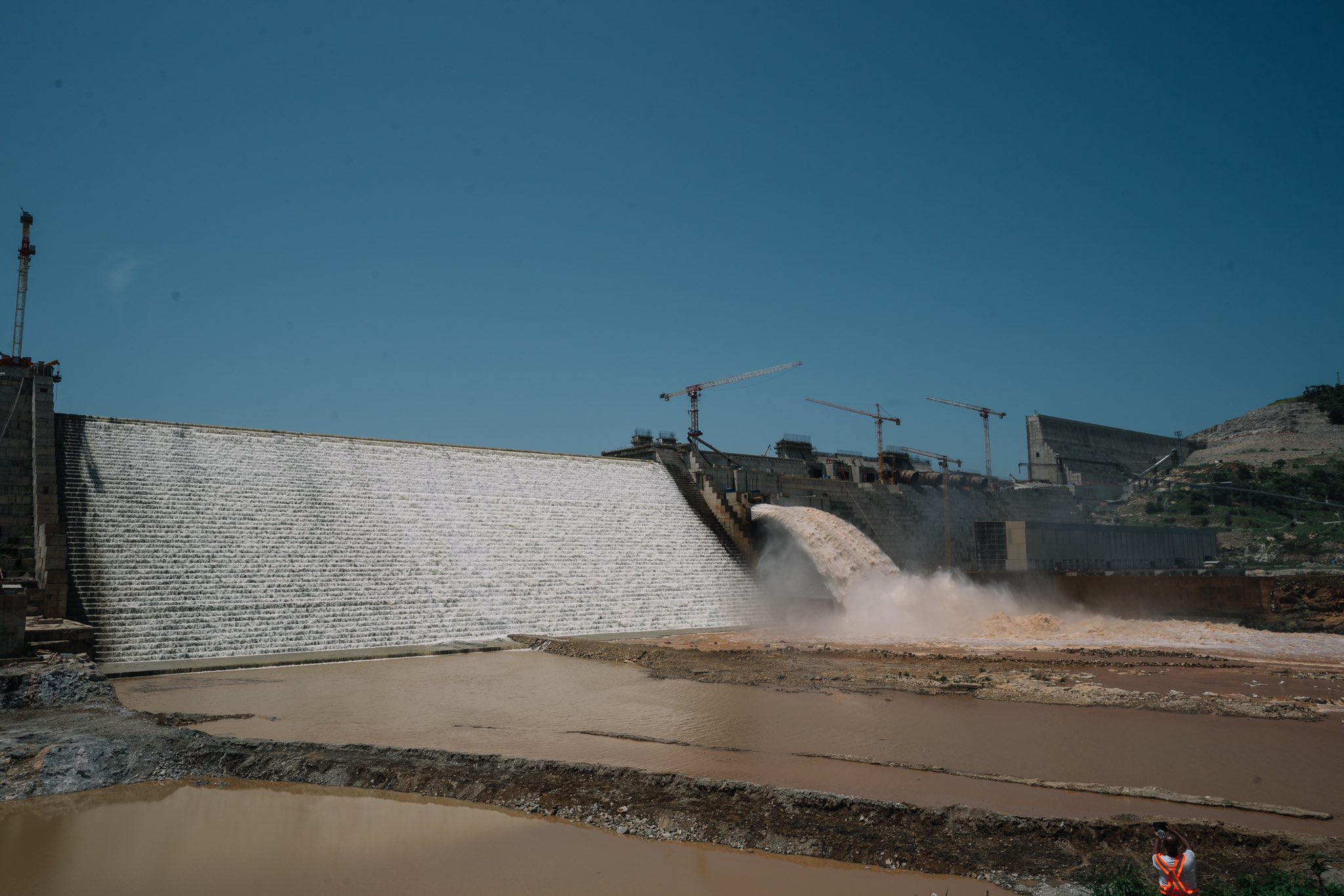
Egyptian Water Minister: GERD Warning, All Options Open Under International Law
Summary
- Egyptian Minister Hani Sewilam declared Egypt would use all measures under international law to protect its water security.
- Sewilam stated that "all legitimate options" remain on Cairo's table concerning its Nile rights and the Grand Ethiopian Renaissance Dam.
- The minister characterized Egypt as a "strong nation of peace" that upholds international law but knows when and how to act.
- This warning underscores Egypt's deep concerns over the impact of the GERD on its vital water supply.
Egyptian Minister Issues Stern Warning on Nile Rights
The explicit mention of "all legitimate options" suggests that Egypt is prepared to explore a full spectrum of responses to protect its Nile basin water security, which could have far-reaching implications for regional stability and investment.
Egypt's Minister of Water Resources and Irrigation, Hani Sewilam, has issued a forceful declaration regarding the nation's water security, emphasizing that Cairo reserves the right to employ all available measures sanctioned by international law. The minister underscored that "all legitimate options" remain under consideration for safeguarding Egypt's vital interests concerning its share of the Nile waters, particularly in the context of the Grand Ethiopian Renaissance Dam (GERD).
Minister Sewilam articulated Egypt's self-perception as a "strong nation of peace" committed to upholding international legal frameworks. However, this assertion was coupled with a clear message that the country possesses a precise understanding of the timing and methodology required to act decisively in defense of its water rights. This statement signals a heightened level of concern and a firm stance from the Egyptian government on the ongoing dispute surrounding the Nile River's resources.
Legal Framework and Regional Implications
The minister's reference to "measures guaranteed under international law" highlights the complex legal landscape governing transboundary rivers like the Nile. International water law typically encompasses principles such as equitable and reasonable utilization, the obligation not to cause significant harm, and the duty to cooperate and exchange information among riparian states. Egypt's assertion implies a readiness to invoke these established legal norms and potentially pursue various avenues, from diplomatic pressure to international arbitration or other dispute resolution mechanisms, should its water security be perceived as compromised by the Grand Ethiopian Renaissance Dam.
Such declarations from a high-ranking official carry significant weight, particularly in a region where water resources are critical for national development and stability. The emphasis on "all legitimate options" suggests a comprehensive approach, where legal and diplomatic strategies are considered alongside other potential responses. This rhetoric underscores the deep-seated concerns Egypt holds regarding its historical Nile rights and the potential impact of the GERD on its downstream water supply, a matter of existential importance for the nation.
Why This Warning Matters
The recent warning from the Egyptian Water Minister regarding the Grand Ethiopian Renaissance Dam and Nile rights is a critical development that demands close attention from legal professionals and stakeholders with interests in the Nile Basin. Such strong statements from a key government official can escalate diplomatic tensions and signal a potential shift in strategy, moving beyond traditional negotiation tactics. The explicit mention of "all legitimate options" suggests that Egypt is prepared to explore a full spectrum of responses to protect its Nile basin water security, which could have far-reaching implications for regional stability and investment.
Lawyers advising clients with operations or investments in the Nile Basin should closely monitor this evolving situation. The escalating rhetoric surrounding the Egypt Ethiopia GERD dispute could foreshadow legal or diplomatic actions concerning international water law Egypt, potentially impacting existing agreements, resource allocation, and even the broader geopolitical landscape. Understanding the nuances of these warnings is crucial for assessing client exposure to international water disputes and anticipating potential compliance changes or operational risks in the region.
Practical Implications
Lawyers advising clients with interests in the Nile Basin should monitor this escalating rhetoric for potential legal or diplomatic actions concerning water rights, which could impact regional stability, investment, or resource allocation. This signals a need to assess client exposure to international water disputes and potential compliance changes.
Source
How does this affect you?
Get an AI analysis of this article grounded in your jurisdictions, practice areas, and any policy documents you've uploaded to Wansom.
Finish Reading the Full Story and the Expert Analysis.
Get the latest legal & regulatory intelligence in Egypt
Wansom is AI and can make mistakes.