
Egyptian President Al Sisi Unveils Third Tax Relief Package: Boosts Economic Growth
Summary
- Egyptian President Abdel Fattah Al-Sisi has directed the government to prepare a third package of tax relief measures.
- Al-Sisi approved a proposal to introduce tax sukuk, a type of Islamic bond that allows governments to raise funds without incurring debt.
- The introduction of tax sukuk is expected to reduce the state's financing needs and lower debt-servicing costs.
Tax Relief Package Unveiled
In addition to the tax relief package, Al-Sisi also approved a proposal to introduce tax sukuk, a type of Islamic bond that allows governments to raise funds without incurring debt.
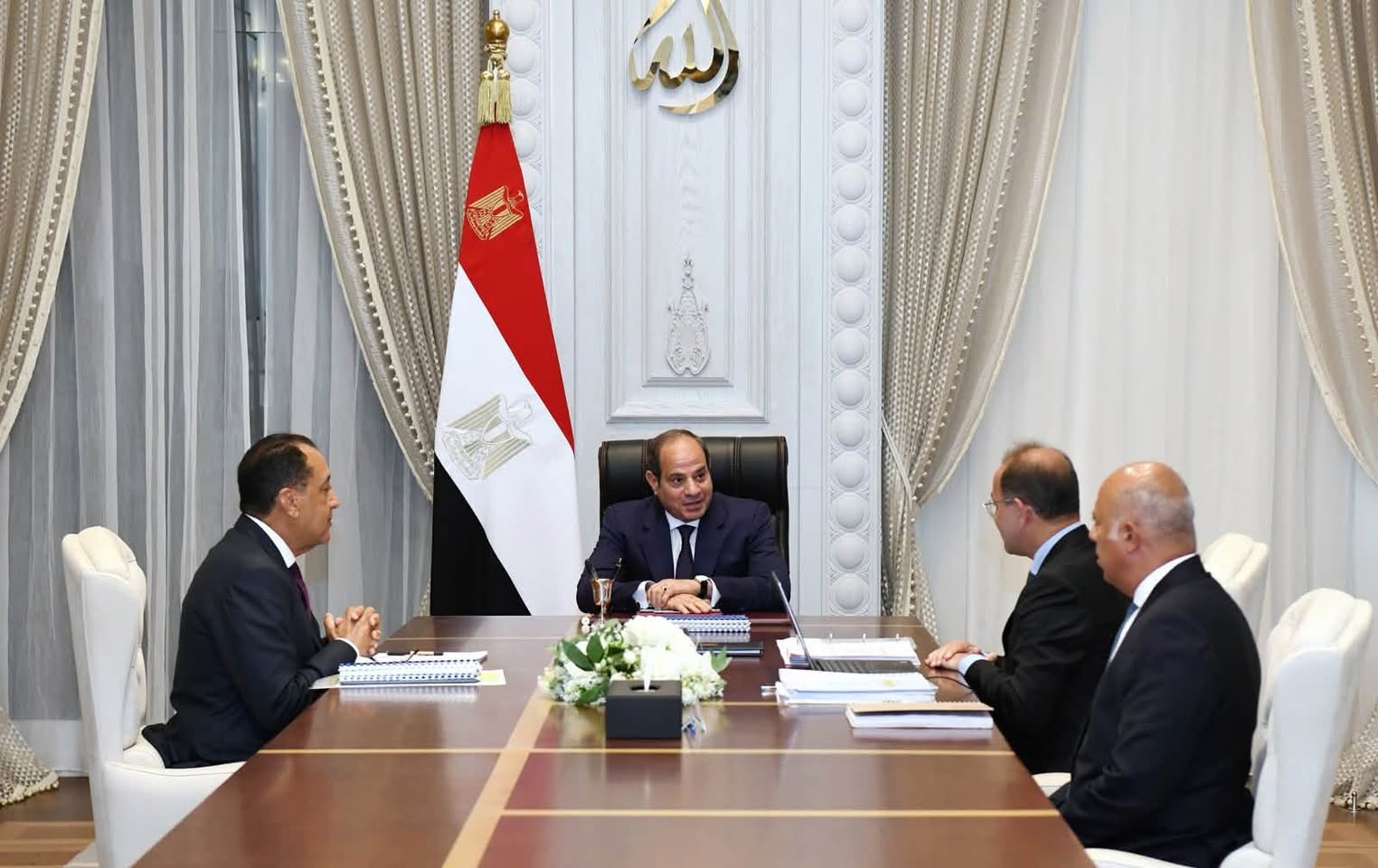
Egyptian President Abdel Fattah Al-Sisi has taken a significant step towards easing the financial burden on Egyptian citizens and businesses. In a recent meeting, he directed the government to prepare a third package of tax relief measures. This move is part of the government's efforts to stimulate economic growth and reduce poverty rates in the country.
The new tax relief package is expected to provide much-needed relief to individuals and corporations struggling with high taxes. With Egypt's economy facing significant challenges, including a large budget deficit and high inflation rates, this initiative aims to mitigate some of these issues. The government has been working on implementing various measures to boost economic activity and create jobs.
Tax Sukuk Proposal Approved
In addition to the tax relief package, Al-Sisi also approved a proposal to introduce tax sukuk, a type of Islamic bond that allows governments to raise funds without incurring debt. This move is expected to reduce the state's financing needs and lower debt-servicing costs. The introduction of tax sukuk will provide an alternative source of funding for the government, which can be used to finance infrastructure projects and other development initiatives.
The approval of the tax sukuk proposal marks a significant step towards Egypt's goal of becoming a more attractive destination for foreign investment. By providing a sharia-compliant financing option, the government aims to tap into the growing demand for Islamic finance products in the region.
Legal and Regulatory Context
The introduction of tax sukuk is expected to have significant implications for Egypt's tax laws and regulations. Lawyers and compliance officers should be aware of these changes, which may impact corporate clients with operations in the country. The government has been working on updating its tax legislation to accommodate the introduction of Islamic finance products.
The approval of the tax relief package and tax sukuk proposal demonstrates the government's commitment to implementing policies that stimulate economic growth and reduce poverty rates. As Egypt continues to navigate its economic challenges, it is essential for businesses and individuals to stay informed about changes to the country's tax laws and regulations.
Practical Implications
Lawyers and compliance officers should watch for potential changes to Egypt's tax laws and regulations, which may impact corporate clients with operations in the country.
Source
How does this affect you?
Get an AI analysis of this article grounded in your jurisdictions, practice areas, and any policy documents you've uploaded to Wansom.
Wansom is AI and can make mistakes.