
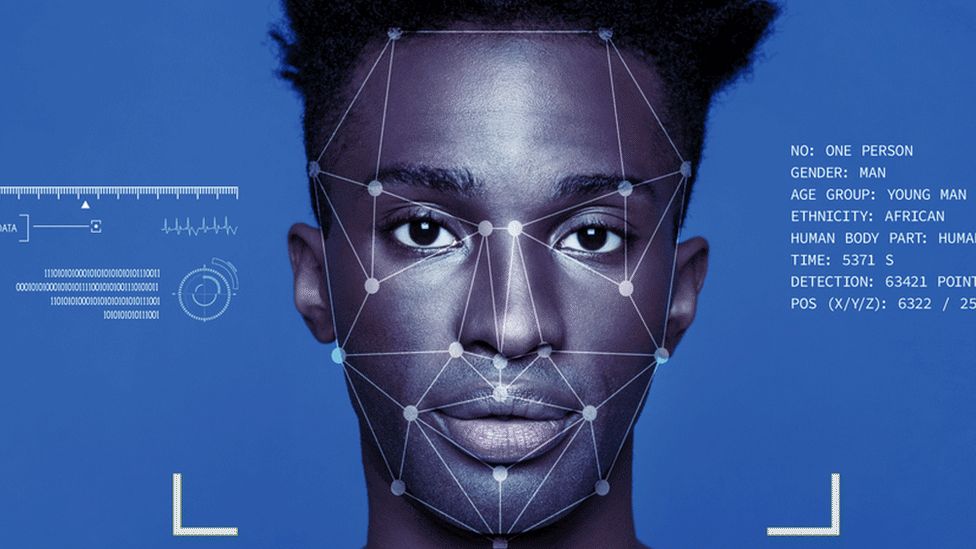
Egyptian Government Faces Criticism Over Mobile Phone Biometric Data Collection
Summary
- Egyptian MP Amira al-Adly has raised concerns about the government's collection of facial recognition data for mobile phone line registration.
- The MP demanded clarification on the purpose behind collecting biometric data and the extent to which it will be used by authorities.
- Critics argue that the lack of transparency and clear guidelines on data usage poses significant risks to citizens' privacy and security.
- Lawyers are warning clients about potential compliance exposures related to the use of facial recognition data in mobile phone registration.
What Happened
The MP's inquiry has sparked questions about the potential implications of this development for citizens' privacy rights.
Egyptian MP Amira al-Adly has expressed concerns about the government's collection of facial recognition data as part of mobile phone line registration. According to reports, the MP raised these concerns during a recent interview with the 'Kalema Akhera' program. Al-Adly specifically sought clarification on the purpose behind collecting biometric data and the extent to which it will be used by authorities. The MP's inquiry has sparked questions about the potential implications of this development for citizens' privacy rights.
Legal Context
The collection of facial recognition data in Egypt is not a new phenomenon, but its integration into mobile phone line registration has raised concerns among lawmakers and civil society groups. The country's existing laws on biometric data collection are unclear, leaving room for interpretation by authorities. Critics argue that the lack of transparency and clear guidelines on data usage poses significant risks to citizens' privacy and security. In this context, al-Adly's demands for clarification on the government's intentions serve as a timely reminder of the need for greater regulatory oversight.
Why It Matters
The Egyptian government's collection of facial recognition data raises significant concerns about citizens' right to privacy and security. As mobile phone registration becomes increasingly tied to biometric data, lawyers are warning clients about potential compliance exposures related to the use of such data. Al-Adly's inquiry highlights the need for greater transparency and regulatory clarity on data usage, which is essential for protecting citizens from potential abuses of power. In this context, the MP's demands serve as a crucial step towards ensuring that the government respects its citizens' fundamental rights.
Practical Implications
Lawyers should watch for potential compliance exposures related to the use of biometric data in mobile phone line registration, and advise clients on the implications of this development.
Source
How does this affect you?
Get an AI analysis of this article grounded in your jurisdictions, practice areas, and any policy documents you've uploaded to Wansom.
Wansom is AI and can make mistakes.