
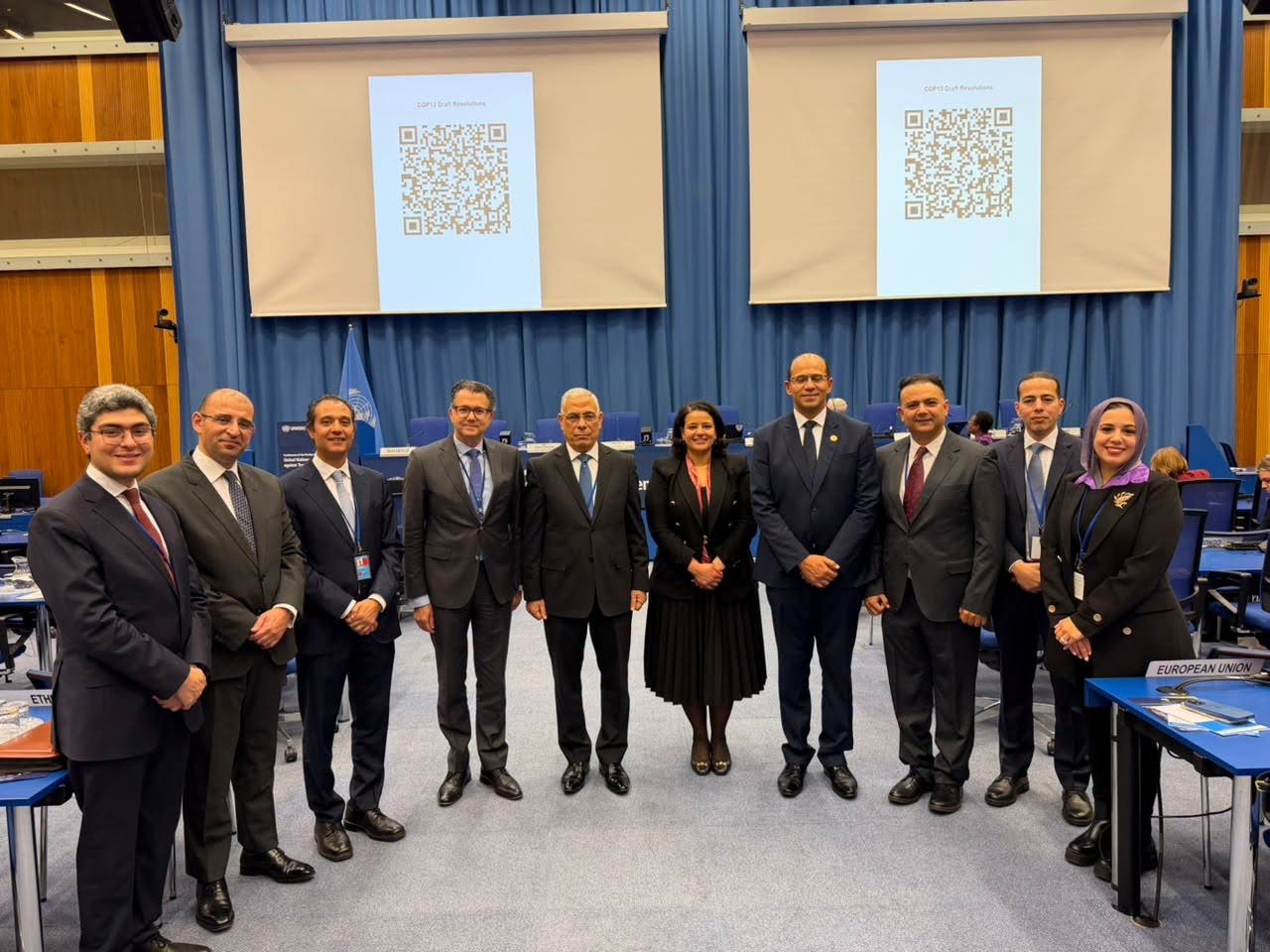
Egypt: UN Cultural Property Resolution Adopted to Combat Illicit Trafficking
Summary
- Parties to the UN Convention against Transnational Organized Crime unanimously adopted an Egyptian-sponsored resolution.
- The resolution aims to strengthen efforts against illicit cultural property trafficking, dismantle criminal networks, and disrupt related financial flows.
- The adoption occurred during the convention’s 13th Conference of the Parties in Vienna.
- Egyptian authorities were responsible for preparing the resolution.
- This development will likely lead to heightened scrutiny and enhanced due diligence requirements for those involved in cultural artifacts.
International Action Against Illicit Cultural Property
Lawyers advising clients involved in the acquisition, sale, or transportation of cultural artifacts, especially those with an Egyptian origin or connection, should anticipate heightened scrutiny and enhanced due diligence requirements.
The international community recently took a significant step to bolster defenses against the illicit trade in cultural artifacts. During the 13th Conference of the Parties for the UN Convention against Transnational Organized Crime, held in Vienna, a new resolution was unanimously approved. This pivotal Egypt UN cultural property resolution was specifically designed to enhance global efforts in combating the illegal movement of cultural property across borders. Its primary objectives include dismantling the sophisticated criminal organizations involved in such activities and interrupting the financial channels that support them.
This crucial initiative originated from Egyptian authorities, who meticulously prepared the resolution for consideration by the convention's parties. The unanimous adoption underscores a broad consensus among nations regarding the urgent need to address the escalating problem of illicit cultural property trafficking. The resolution's focus on both criminal networks and their financial underpinnings signals a comprehensive approach to a complex global challenge that often fuels other forms of organized crime.
Strengthening Global Legal Frameworks
The newly adopted resolution operates under the overarching framework of the UN Convention against Transnational Organized Crime, a key instrument in international cultural heritage law. By leveraging this existing convention, the resolution provides a robust legal basis for member states to intensify their actions against those who profit from the destruction and theft of cultural heritage. It aims to provide tools and mechanisms for states to cooperate more effectively in investigations, prosecutions, and asset recovery related to cultural property crimes.
This development is particularly relevant for the protection of vulnerable cultural sites and artifacts worldwide, including those of immense historical value in Egypt. The emphasis on disrupting financial flows associated with illicit cultural property trafficking is critical, as it targets the economic incentives driving these criminal enterprises. This move is expected to encourage signatory states to review and strengthen their domestic legislation and enforcement capabilities, aligning them with the enhanced international standards set forth by this resolution.
Implications for the Art Market and Heritage Protection
The unanimous adoption of the Egypt UN cultural property resolution carries significant implications for various stakeholders, particularly those operating within the global art market. Lawyers advising clients involved in the acquisition, sale, or transportation of cultural artifacts, especially those with an Egyptian origin or connection, should anticipate heightened scrutiny and enhanced due diligence requirements. This shift could necessitate a re-evaluation of compliance obligations and risk assessments for art dealers, collectors, museums, and logistics providers. The resolution signals a stronger international commitment to prosecuting those who engage in or facilitate the trade of illegally obtained cultural items.
Furthermore, this resolution represents a major victory for Egyptian cultural heritage protection, as it directly addresses a long-standing concern for the nation regarding the safeguarding of its ancient treasures. The international community's unified stance against illicit cultural property trafficking is expected to lead to more stringent checks on provenance and ownership, making it harder for stolen or illegally excavated items to enter legitimate markets. This will likely drive a greater demand for robust art market compliance due diligence practices across the industry, ensuring that all transactions adhere to the highest ethical and legal standards.
Practical Implications
Lawyers advising clients involved in the acquisition, sale, or transportation of cultural artifacts, particularly those with an Egyptian origin or connection, should anticipate heightened scrutiny, enhanced due diligence requirements, and potential new enforcement mechanisms following this UN resolution. This could impact compliance obligations and risk assessments for art dealers, collectors, museums, and logistics providers.
Source
How does this affect you?
Get an AI analysis of this article grounded in your jurisdictions, practice areas, and any policy documents you've uploaded to Wansom.
Finish Reading the Full Story and the Expert Analysis.
Get the latest legal & regulatory intelligence in Egypt
Wansom is AI and can make mistakes.