
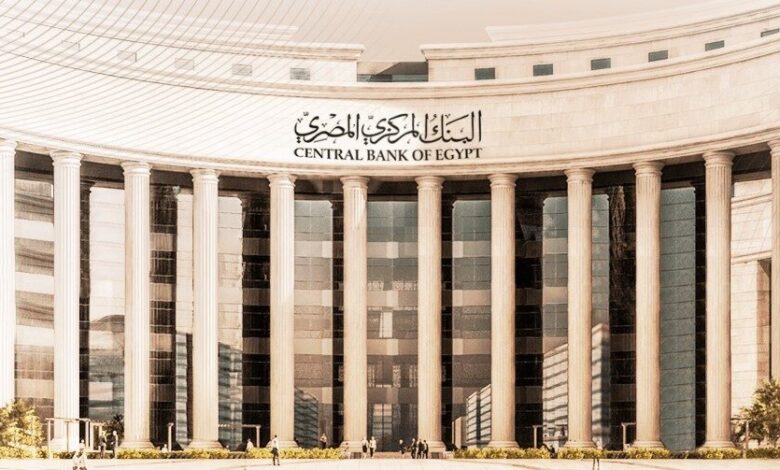
CBE Stress Tests Egypt Banking Sector: Enhancing Resilience
Summary
- The Central Bank of Egypt (CBE) and the Financial Regulatory Authority (FRA) are continuously updating their stress tests.
- These updates aim to reflect existing and emerging risks within the financial sector.
- The stress tests strengthen the ability to assess financial institutions' resilience to shocks.
- They also help identify how shocks could spread and their potential implications.
- Financial institutions must closely monitor these evolving methodologies to ensure compliance and alignment of their risk frameworks.
Regulatory Oversight and Evolution
Compliance officers and legal counsel for financial institutions in Egypt should closely monitor the continuous development and updates to CBE and FRA stress test methodologies to ensure their internal risk management and capital adequacy frameworks remain aligned with evolving regulatory expectations and to prepare for potential new compliance requirements.
The Central Bank of Egypt (CBE) and the Financial Regulatory Authority (FRA) are actively engaged in the ongoing enhancement of their stress testing methodologies. This commitment involves the continuous development and updating of these critical assessment tools, a process designed to ensure their relevance and effectiveness in a dynamic financial environment. The proactive stance taken by both regulatory bodies underscores their dedication to maintaining a robust oversight framework for the nation's financial sector.
This continuous refinement of stress tests by the CBE and FRA is not a static exercise but an adaptive one. It reflects a strategic approach to regulatory supervision, where the tools used to evaluate financial health are themselves subject to regular review and improvement. This ensures that the mechanisms employed to gauge the resilience of financial institutions are always aligned with the latest understanding of market dynamics and potential systemic vulnerabilities, directly impacting the CBE stress tests Egypt banking sector.
Objectives of Enhanced Stress Testing
The primary objective behind the persistent evolution of these stress tests is multifaceted, focusing on several key areas of financial stability. Firstly, the updates are specifically designed to accurately reflect both existing and emerging risks within the financial system. This forward-looking perspective allows regulators to anticipate potential threats that could impact the stability of individual institutions and the sector as a whole.
Secondly, these enhanced stress tests serve to strengthen the regulators' capacity to assess the resilience of financial institutions when confronted with various economic or market shocks. By simulating severe but plausible scenarios, the Central Bank of Egypt stress tests aim to determine how well banks and other financial entities can absorb significant adverse events. Furthermore, a crucial aspect of this methodology involves identifying the specific channels through which such shocks might propagate throughout the financial system, alongside their potential broader implications for the economy. This comprehensive approach is vital for safeguarding Egyptian banking resilience.
Bolstering Financial Stability
The concerted efforts by the CBE and FRA in continuously developing and updating their stress testing frameworks are fundamental to reinforcing the overall Egypt financial stability framework. By rigorously evaluating the banking sector's capacity to withstand severe shocks, these regulatory bodies contribute significantly to preventing systemic crises and maintaining public confidence in the financial system. The proactive identification of vulnerabilities through sophisticated FRA financial institution stress testing allows for timely intervention and the implementation of necessary safeguards.
This commitment to advanced stress testing is a cornerstone of prudent financial regulation, ensuring that the nation's banks are not only compliant with current standards but are also prepared for unforeseen challenges. The ongoing nature of this development means that the regulatory environment is constantly adapting, pushing financial institutions to likewise evolve their internal risk management practices to meet higher standards of resilience.
Implications for Financial Institutions and Compliance
For financial institutions operating within Egypt, the continuous development and updating of stress tests by the CBE and FRA carry significant implications, particularly for their compliance functions and legal counsel. The evolving nature of these methodologies necessitates a proactive and vigilant approach from institutions to ensure their internal risk management and capital adequacy frameworks remain fully aligned with regulatory expectations. This is not merely about meeting current requirements but anticipating future ones.
Compliance officers and legal counsel for financial institutions in Egypt should closely monitor the continuous development and updates to CBE and FRA stress test methodologies to ensure their internal risk management and capital adequacy frameworks remain aligned with evolving regulatory expectations and to prepare for potential new compliance requirements. This ongoing vigilance is critical for navigating the dynamic regulatory landscape and ensuring that institutions are well-prepared for any new compliance obligations or enhanced reporting standards that may arise from these refined stress testing regimes. Failure to adapt could lead to regulatory scrutiny and potential penalties, underscoring the importance of proactive engagement with these evolving standards.
Practical Implications
Compliance officers and legal counsel for financial institutions in Egypt should closely monitor the continuous development and updates to CBE and FRA stress test methodologies to ensure their internal risk management and capital adequacy frameworks remain aligned with evolving regulatory expectations and to prepare for potential new compliance requirements.
Source
How does this affect you?
Get an AI analysis of this article grounded in your jurisdictions, practice areas, and any policy documents you've uploaded to Wansom.
Finish Reading the Full Story and the Expert Analysis.
Get the latest legal & regulatory intelligence in Egypt
Wansom is AI and can make mistakes.