
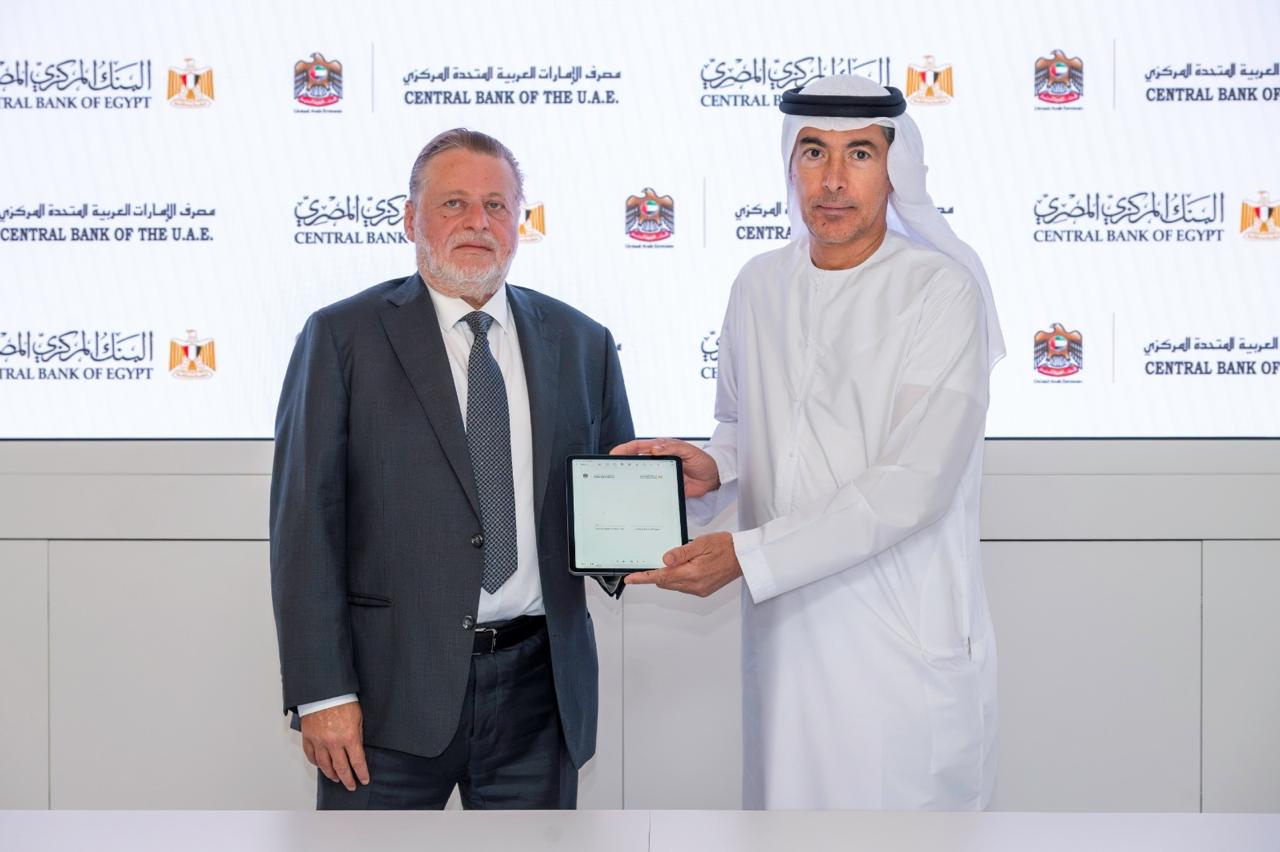
Egypt, UAE Central Banks: AED 5bn Currency Swap Renewal Extended
Summary
- The central banks of Egypt and the UAE have renewed a currency swap agreement.
- The agreement is valued at 5 billion UAE dirhams, equivalent to 69 billion Egyptian pounds.
- This bilateral swap line has been extended for an additional five-year period.
- The renewal was announced jointly by both central banks on Tuesday.
- The agreement aims to enhance financial stability and facilitate trade between the two nations.
What Happened
Lawyers advising clients on cross-border investments, trade, or financial transactions between Egypt and the UAE should note this renewal as it indicates continued financial stability and liquidity support.
The central banking authorities of Egypt and the United Arab Emirates have formally extended a significant currency swap agreement. This financial arrangement, valued at 5 billion UAE dirhams (AED), has been renewed for an additional five-year term, providing continued monetary support and stability between the two nations. The equivalent value of this swap stands at approximately 69 billion Egyptian pounds (EGP), underscoring the substantial nature of the commitment.
This renewal was jointly announced by the Central Bank of Egypt and the Central Bank of the United Arab Emirates in a statement released on Tuesday. The coordinated announcement highlights the mutual importance placed on this bilateral financial mechanism. Such agreements are crucial instruments for fostering economic cooperation and managing foreign exchange dynamics between participating countries, particularly for emerging markets like Egypt.
The extension of this bilateral swap line reinforces the enduring economic partnership between Cairo and Abu Dhabi. It signifies a continued commitment to facilitating trade and investment flows, while also providing a framework for managing potential currency fluctuations. The five-year duration of the renewed agreement offers a long-term horizon for financial planning and stability for both economies.
Legal and Financial Context
A currency swap agreement is a contractual arrangement between two central banks to exchange principal and/or interest payments in one currency for equivalent payments in another currency. These agreements are typically designed to enhance financial stability, provide liquidity in foreign currencies, and mitigate foreign exchange risks for the participating nations. For Egypt, this particular swap line offers a crucial source of foreign currency, which can be deployed to support its balance of payments, facilitate imports, and stabilize its local currency.
The involvement of central banks in such agreements underscores their role as primary custodians of monetary policy and financial stability. By entering into these bilateral arrangements, central banks aim to create a safety net that can be activated during periods of market volatility or foreign currency shortages. This specific Egypt-UAE central bank swap agreement serves as a testament to the deepening monetary cooperation between the two Arab states, providing a structured mechanism for currency exchange outside of conventional market operations.
From a legal perspective, these agreements are complex financial contracts requiring meticulous drafting and adherence to international financial law principles. They establish clear terms for the exchange rates, repayment schedules, and conditions under which the swap can be drawn upon, ensuring predictability and legal certainty for both parties over the five-year term. Such frameworks are vital for lawyers advising clients on cross-border investments and financial transactions, as they directly impact foreign exchange availability and risk profiles.
Why It Matters
The renewal of the AED 5 billion currency swap agreement carries significant implications for the economic landscapes of both Egypt and the UAE. For Egypt, it represents a vital source of foreign currency liquidity, which is instrumental in bolstering its economic resilience and supporting its ongoing development initiatives. This continued access to dirhams can help cushion against external shocks and maintain confidence in the Egyptian economy among international investors.
For businesses and investors operating or planning to operate in either jurisdiction, this renewed bilateral swap line signals a more stable and predictable financial environment. Lawyers advising clients on cross-border investments, trade, or financial transactions between Egypt and the UAE should note this renewal as it indicates continued financial stability and liquidity support. This can potentially mitigate foreign exchange risks and facilitate business operations for entities active in both countries, making it easier to conduct trade and repatriate profits.
Ultimately, the extension of this agreement reinforces the strong economic and strategic ties between Egypt and the UAE. It underscores a shared commitment to regional stability and mutual economic growth, providing a robust framework for continued monetary cooperation. This long-term financial partnership is expected to foster greater confidence, encourage further investment, and enhance the overall economic integration between these two key Middle Eastern economies.
Practical Implications
Lawyers advising clients on cross-border investments, trade, or financial transactions between Egypt and the UAE should note this renewal. It signals continued financial stability and liquidity support, potentially mitigating foreign exchange risks and facilitating business operations for entities active in both jurisdictions.
Source
How does this affect you?
Get an AI analysis of this article grounded in your jurisdictions, practice areas, and any policy documents you've uploaded to Wansom.
Finish Reading the Full Story and the Expert Analysis.
Get the latest legal & regulatory intelligence in Egypt
Wansom is AI and can make mistakes.