
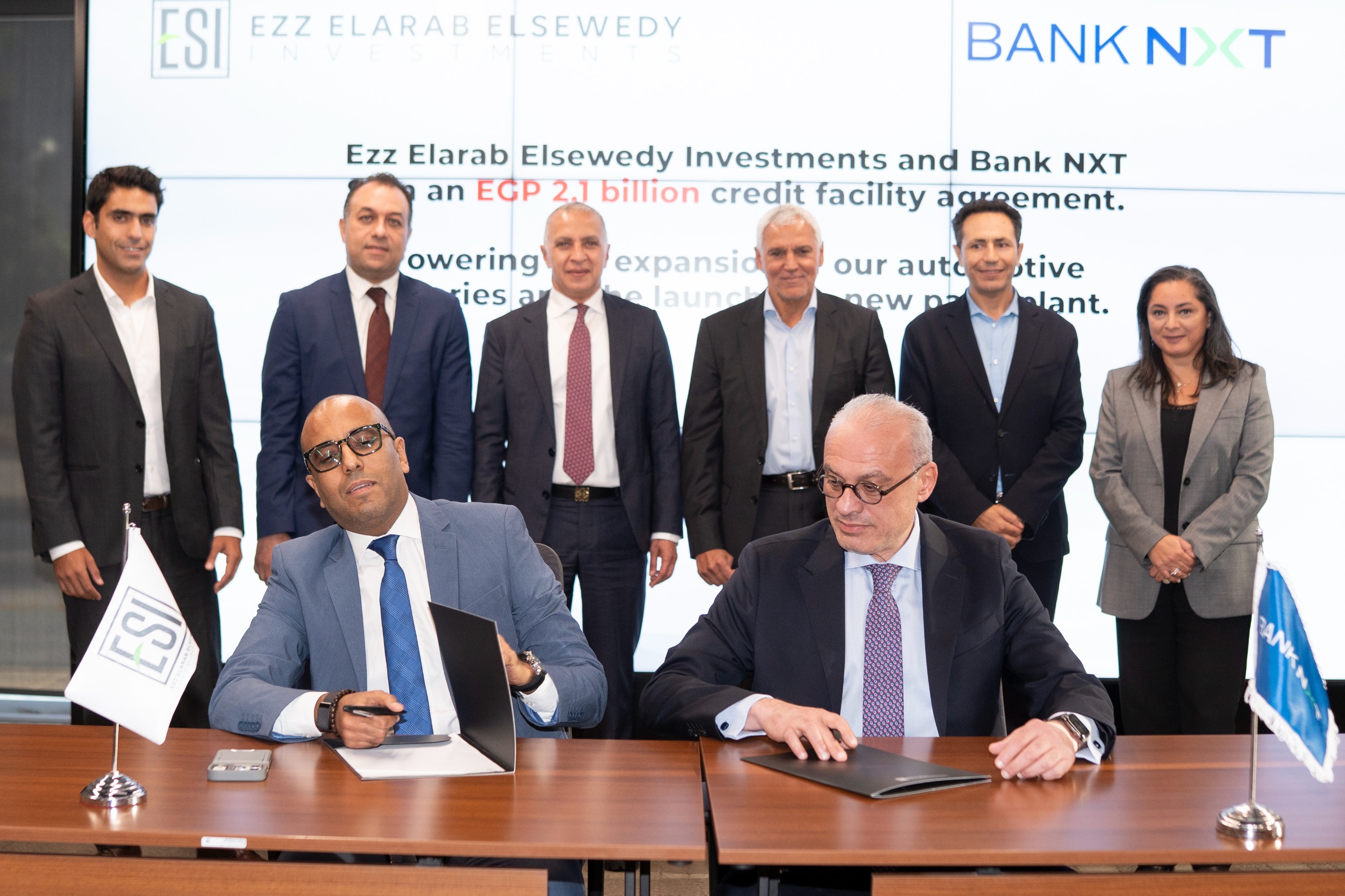
Bank NXT Secures EGP 2.1bn Credit Facility for Ezz Elarab Elsewedy Automotive Expansion
Bank NXT in Egypt recently signed an EGP 2.1 billion credit facility agreement with Ezz Elarab Elsewedy Investments to finance the expansion of its automotive factories and the establishment of a new automotive paint plant. This significant transaction underscores a strategic move by Ezz Elarab Elsewedy to bolster its industrial operations, enhance production capabilities, and deepen the localization of its manufacturing processes within the country. The facility is earmarked for substantial capital expenditure, reflecting confidence in the growth trajectory of Egypt's automotive sector and the broader industrial landscape.
This substantial financing deal carries considerable legal significance for practitioners, businesses, and the Egyptian economy. For businesses, it signals the continued availability of large-scale credit for strategic industrial projects, particularly those aligned with national development goals like localization. It highlights the importance of robust financial structuring and comprehensive legal due diligence in securing such facilities. For legal professionals, it emphasizes the intricate nature of drafting and negotiating complex credit agreements, which typically involve detailed terms regarding security packages, financial covenants, conditions precedent, and default provisions, all crucial for managing risk for both lenders and borrowers.
The legal context for this transaction is rooted in Egyptian banking and finance law. The primary regulatory framework includes the Central Bank of Egypt and Banking Law No. 194 of 2020, which governs banking operations, credit provision, and financial stability. Additionally, commercial laws, such as Law No. 159 of 1981 concerning Joint Stock Companies, Partnerships Limited by Shares, and Limited Liability Companies, would govern the corporate aspects of Ezz Elarab Elsewedy. The Egyptian Civil Code would provide the foundational contract law principles. Depending on the nature of the expansion and any associated government incentives, Investment Law No. 72 of 2017 might also be relevant. The key parties involved are Bank NXT as the lender and Ezz Elarab Elsewedy Investments as the borrower, with the Central Bank of Egypt overseeing the banking sector.
Attorneys advising financial institutions or corporate borrowers in Egypt should closely monitor trends in large-scale project financing, particularly within strategic industrial sectors like automotive manufacturing. They must be proficient in structuring complex credit agreements, ensuring strict compliance with Central Bank of Egypt regulations, and navigating the intricacies of security perfection and enforcement under Egyptian law. Businesses contemplating similar expansions should prepare comprehensive financial projections, conduct thorough legal and commercial due diligence, and engage experienced legal counsel early in the process to effectively secure and manage such significant financing facilities. The emphasis on "localisation" also suggests potential alignment with government industrial policies, which might offer further incentives or regulatory considerations that legal teams should explore.
How does this affect you?
Get an AI analysis of this article grounded in your jurisdictions, practice areas, and any policy documents you've uploaded to Wansom.
Finish Reading the Full Story and the Expert Analysis.
Get the latest legal & regulatory intelligence in Egypt
Wansom is AI and can make mistakes.