
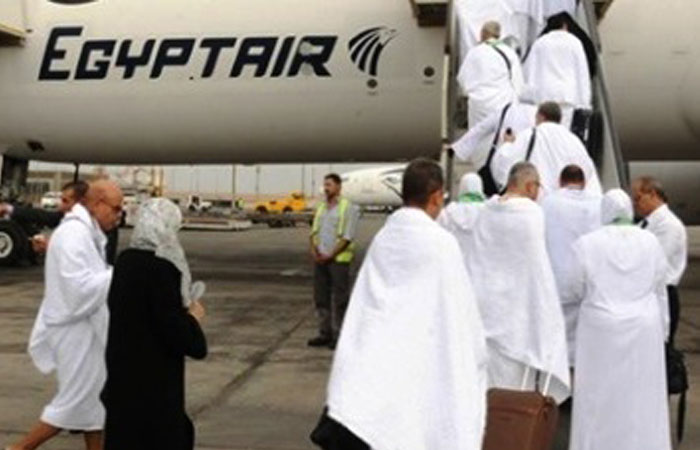
Egypt Tourism Ministry Monitors Umrah Pilgrim Flights
In Egypt, the Ministry of Tourism and Antiquities is actively monitoring the travel and return of Egyptian Umrah pilgrims between Egypt and Saudi Arabia, in response to current regional developments and resulting flight schedule delays. This proactive oversight by the Ministry, in coordination with relevant authorities in both countries, aims to manage the logistical challenges faced by pilgrims. Minister of Tourism and Antiquities Sherif Fathy has specifically directed field operations to address these issues, indicating a hands-on approach to mitigate disruptions and ensure the welfare of Egyptian citizens undertaking the religious journey.
This development carries significant legal and practical implications for various stakeholders. For travel agencies and airlines operating Umrah packages, it signals increased regulatory scrutiny and the potential need for robust contingency planning to manage unforeseen disruptions. Businesses involved in religious tourism must be prepared for operational challenges, including flight rescheduling, accommodation adjustments, and potential reputational risks if pilgrim welfare is compromised. For the public, particularly prospective pilgrims, it highlights the government's commitment to their safety and smooth travel, while also underscoring the inherent risks of international travel amidst geopolitical instability.
The legal context for this ministerial action primarily stems from the Ministry of Tourism and Antiquities' mandate to regulate and oversee the tourism sector, which includes religious tourism. While the excerpt does not cite specific statutes, the Ministry's powers are typically derived from laws governing tourism activities, consumer protection for travel services, and potentially international agreements or bilateral protocols with Saudi Arabia concerning Hajj and Umrah pilgrimages. The key parties involved are the Egyptian Ministry of Tourism and Antiquities, led by Minister Sherif Fathy, and implicitly, their counterparts in Saudi Arabia, as well as the numerous Egyptian Umrah pilgrims and the travel agencies and airlines facilitating their journeys. The outcome of this monitoring effort, in terms of specific resolutions or policy changes, is not yet reported.
Practitioners, particularly those advising travel agencies, airlines, or tour operators, should closely monitor official statements and directives from the Egyptian Ministry of Tourism and Antiquities. It is crucial to review existing contracts with pilgrims for force majeure clauses, cancellation policies, and refund procedures, ensuring compliance with Egyptian consumer protection laws. Legal counsel should advise clients on potential liabilities arising from travel disruptions, the importance of transparent communication with pilgrims, and the need to adapt operational strategies to comply with any new ministerial guidelines or international travel advisories. Furthermore, businesses should assess their risk management frameworks to account for geopolitical factors impacting religious tourism.
How does this affect you?
Get an AI analysis of this article grounded in your jurisdictions, practice areas, and any policy documents you've uploaded to Wansom.
Finish Reading the Full Story and the Expert Analysis.
Get the latest legal & regulatory intelligence in Egypt
Wansom is AI and can make mistakes.