
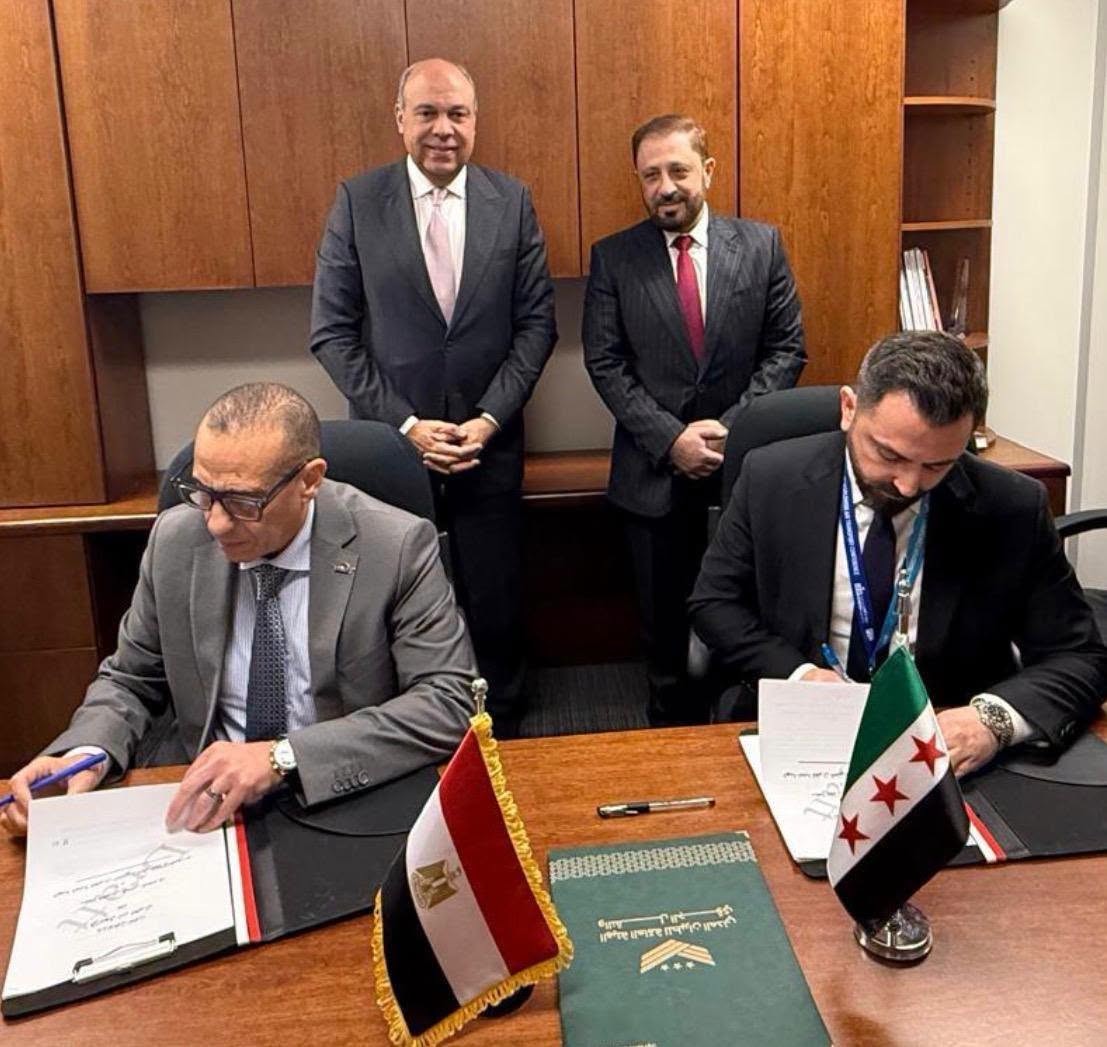
Egypt, Syria Sign Aviation Protocol to Resume Flights
Egypt and Syria recently signed a cooperation protocol to facilitate the resumption of civil aviation activities between the two nations, a development that occurred on the sidelines of the 43rd Extraordinary Session of the International Civil Aviation Organization (ICAO). This significant agreement aims to organise coordination in civil aviation, thereby paving the way for the re-establishment of operational flights and related services between the two countries. The implementation of this protocol is expressly contingent upon the completion of necessary procedures, indicating that while the political will is present, practical and regulatory hurdles still need to be addressed before flights can fully resume. The signing of such a protocol underscores a concerted effort by both governments to normalise and enhance bilateral relations through a critical sector like air transport.
For legal practitioners and businesses, this protocol holds substantial legal and economic significance. It signals a potential opening for increased trade, tourism, and cultural exchange between Egypt and Syria, which could lead to new commercial opportunities for airlines, cargo operators, travel agencies, and hospitality businesses. The key parties involved are primarily the governments of Egypt and Syria, represented by their respective civil aviation authorities or ministries, acting within the framework provided by the International Civil Aviation Organization. While the excerpt does not detail specific airlines, national carriers such as EgyptAir and Syrian Air would likely be primary beneficiaries, alongside any private operators seeking to establish routes. The resumption of flights would necessitate a review of existing commercial agreements and the potential negotiation of new ones, impacting a wide array of stakeholders.
The legal context for this cooperation protocol is rooted in international aviation law, most notably the Chicago Convention on International Civil Aviation (1944), which established ICAO and provides the foundational principles for international air transport. Bilateral Air Service Agreements (BASAs) are the standard instruments through which states grant each other rights to operate international air services, covering aspects like routes, capacity, traffic rights, and operational procedures. This protocol likely serves as a precursor or a framework agreement that will lead to, or supplement, a more detailed BASA. Furthermore, the national aviation regulations of both Egypt (governed by the Egyptian Civil Aviation Authority) and Syria (governed by the Syrian Civil Aviation Authority) will play a crucial role in the practical implementation and oversight of any resumed flights, ensuring compliance with safety and security standards.
Attorneys specialising in aviation law, international trade, and corporate transactions should closely monitor the progress of this protocol, particularly the "completion of necessary procedures" phase. This includes scrutinising any subsequent detailed agreements, such as a comprehensive BASA, for specific terms regarding traffic rights, operational slots, and regulatory compliance. Businesses in the aviation, logistics, and tourism sectors should begin assessing market opportunities, potential operational requirements, and any associated regulatory or compliance risks. It is imperative for practitioners to advise clients on navigating the evolving regulatory landscape, ensuring adherence to both international ICAO standards and the national laws of Egypt and Syria, as well as any broader international considerations that might impact operations in the region. The outcome of specific flight resumptions and their operational details is not yet reported, requiring ongoing vigilance.
How does this affect you?
Get an AI analysis of this article grounded in your jurisdictions, practice areas, and any policy documents you've uploaded to Wansom.
Finish Reading the Full Story and the Expert Analysis.
Get the latest legal & regulatory intelligence in Egypt
Wansom is AI and can make mistakes.