
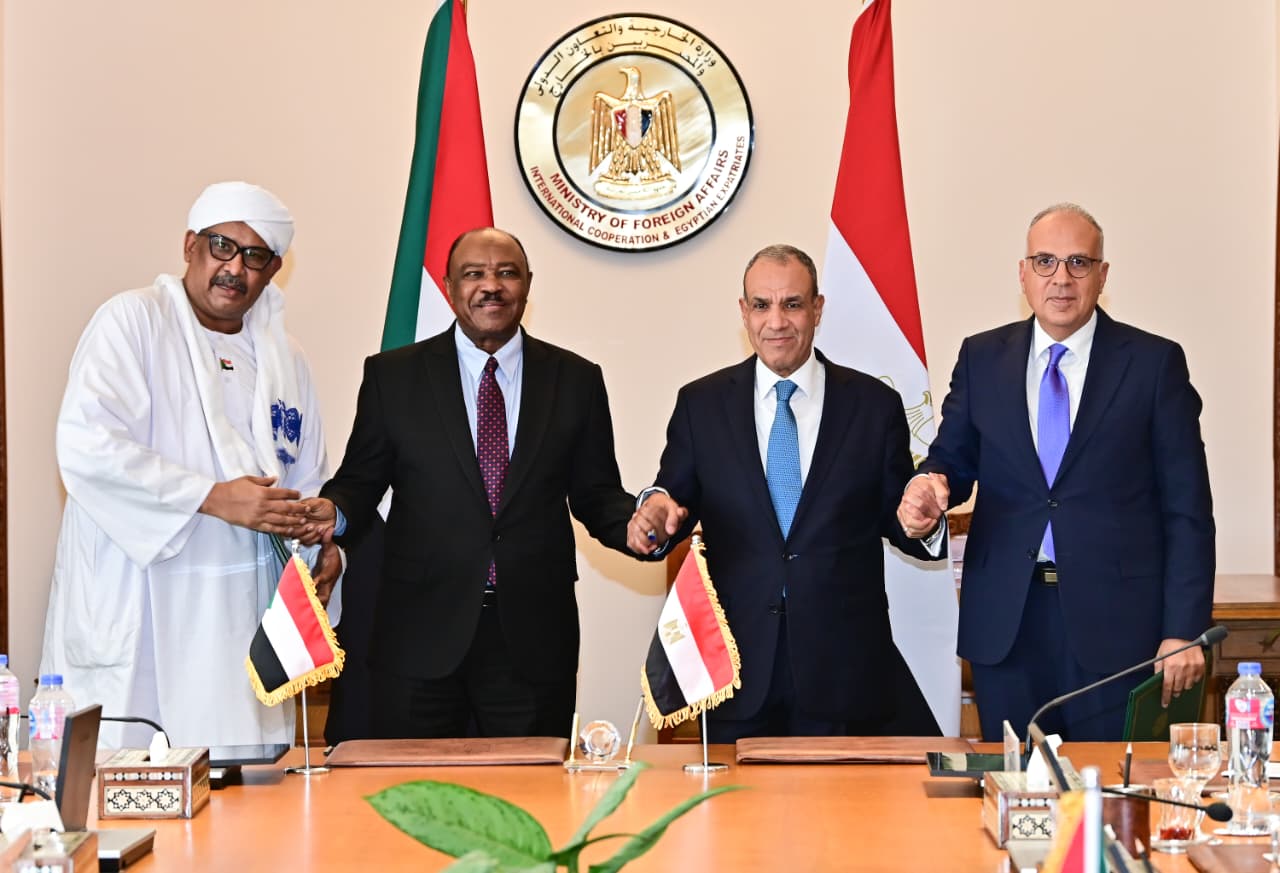
Egypt, Sudan: Reject Ethiopia Dam Management Dispute Unilateral Actions
Summary
- Egypt and Sudan jointly rejected unilateral actions in the Eastern Nile Basin on Monday.
- They warned that Ethiopia's management of its Blue Nile dam without a binding legal framework threatens their water security.
- The two downstream nations explicitly reaffirmed the 1959 Nile water rights in their statement.
- This joint position highlights ongoing concerns about the Grand Ethiopian Renaissance Dam's operation.
Joint Stance on Nile Water Management
The absence of a mutually agreed-upon, binding legal framework for the Grand Ethiopian Renaissance Dam (GERD) presents a persistent and significant danger to their respective water security.
On Monday, Egypt and Sudan issued a joint statement to unequivocally reject any unilateral actions concerning the management of the Eastern Nile Basin. This unified position underscores their deep concerns regarding Ethiopia's ongoing operation of its dam located on the Blue Nile. The two downstream nations explicitly warned that the absence of a mutually agreed-upon, binding legal framework for the Grand Ethiopian Renaissance Dam (GERD) presents a persistent and significant danger to their respective water security. This declaration highlights the enduring tension surrounding the allocation and management of the Nile's vital resources.
The joint communiqué from Cairo and Khartoum emphasized that Ethiopia's independent control over the dam's operations, without a comprehensive legal agreement, directly jeopardizes the fundamental water needs of their populations and agricultural sectors. This reiteration of their stance signals a continued diplomatic effort to press for a negotiated settlement that addresses their concerns about water flow and resource distribution. The statement serves as a clear signal of their collective opposition to any actions that could unilaterally alter the hydrological balance of the Nile.
Legal Framework and Historical Claims
A central point of contention for Egypt and Sudan is the lack of a binding legal framework governing the operation of the Blue Nile dam. They contend that such an agreement is essential to safeguard their historical water rights and ensure predictable water flows. In their recent joint statement, both nations explicitly reaffirmed the 1959 Nile water rights, signaling their reliance on established historical agreements as a basis for current and future water allocation discussions. This historical accord, while not universally recognized by all riparian states, remains a cornerstone of Egypt's and Sudan's claims regarding their share of the Nile's waters.
The insistence on a binding legal framework reflects a broader principle within international water law, particularly in transboundary river basins like the Nile. Without such an overarching legal structure, the potential for disputes over resource management and utilization remains high. The reaffirmation of the 1959 agreement underscores the complex legal landscape surrounding the Nile, where historical claims and contemporary development needs often clash. The ongoing demand for a comprehensive legal framework for the GERD highlights the critical need for a structured approach to managing shared water resources in Africa.
Implications for Regional Water Security
The joint warning from Egypt and Sudan regarding the continuing threat to their water security underscores the profound geopolitical and environmental implications of the Grand Ethiopian Renaissance Dam. Their concern stems from the potential for Ethiopia's unilateral management of the Blue Nile dam to significantly impact the volume and timing of water reaching their territories, which are heavily dependent on the Nile for drinking water, irrigation, and electricity generation. This situation creates a precarious environment for millions of people in the downstream countries, making water security a paramount national interest.
The dispute over the dam's management, particularly the rejection of unilateral actions, indicates that the path to a mutually acceptable resolution remains challenging. The absence of progress in establishing a binding legal framework for the GERD means that the Egypt Sudan Ethiopia dam management dispute continues to be a source of instability in the Eastern Nile Basin. The ongoing diplomatic efforts, marked by such joint statements, reflect the high stakes involved in securing equitable and sustainable water sharing arrangements for one of the world's most critical transboundary rivers.
Practical Implications
The continued rejection of unilateral dam management by Egypt and Sudan, coupled with the absence of a binding legal framework for the GERD, signals ongoing geopolitical and legal uncertainty in the Nile Basin. Lawyers advising clients on investments, infrastructure projects, or operations in the region should assess potential risks related to water security, regulatory stability, and international dispute resolution, particularly for water-dependent sectors.
Source
How does this affect you?
Get an AI analysis of this article grounded in your jurisdictions, practice areas, and any policy documents you've uploaded to Wansom.
Wansom is AI and can make mistakes.