
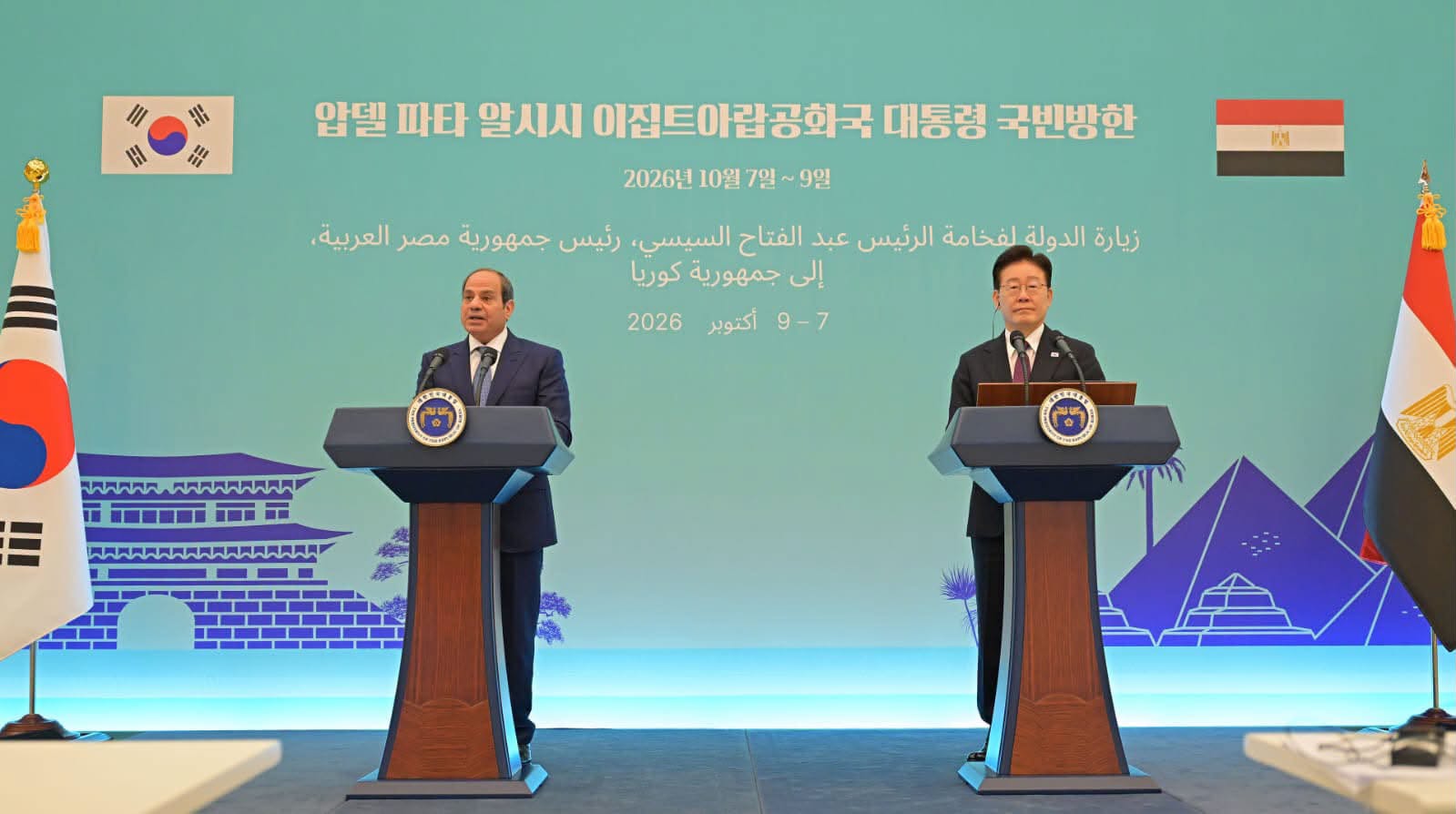
Egypt, South Korea Elevate Ties to Strategic Partnership; Sign 12 Agreements, Launch Trade
Egyptian President Abdel Fattah al-Sisi's state visit to Seoul, South Korea, in October, saw Egypt and South Korea elevate their bilateral relations to a strategic partnership, sign 12 agreements, and launch negotiations for a Comprehensive Economic Partnership Agreement (CEPA).
This significant development marks a new chapter in the diplomatic and economic ties between the two nations. The elevation to a strategic partnership signifies a deeper commitment to cooperation across various sectors, while the initiation of CEPA negotiations aims to foster greater trade and investment flows. The signing of 12 agreements during the visit, which commenced on October 7, indicates a broad scope of collaboration, likely spanning areas such as technology, infrastructure, energy, and cultural exchange, though the specific details of these agreements are not provided in the excerpt.
The legal significance of these actions is substantial for practitioners, businesses, and the public in both Egypt and South Korea. The strategic partnership provides a high-level framework for future cooperation, potentially streamlining regulatory processes and encouraging cross-border ventures. The CEPA, once concluded, will likely reduce trade barriers, harmonize standards, and establish mechanisms for investment protection and dispute resolution, thereby creating new market opportunities and competitive advantages for businesses. Legal professionals will need to understand the specific provisions of the CEPA and the 12 agreements to advise clients on market entry strategies, compliance requirements, and potential contractual implications.
From a legal context perspective, the CEPA will be an international treaty, requiring ratification by the legislative bodies of both countries to become legally binding. This process typically involves parliamentary review and approval, integrating the treaty's provisions into domestic law. The 12 agreements signed could range from non-binding Memoranda of Understanding (MOUs) to legally enforceable bilateral agreements, each with its own implementation requirements and legal force. The relevant legal frameworks include international trade law, investment law, and the domestic laws of Egypt and South Korea governing foreign trade, investment, and international agreements. Key parties involved are the governments of Egypt and South Korea, their respective ministries of trade, foreign affairs, and investment, and the business communities that will be directly impacted by these new arrangements.
Practitioners should closely monitor the progress of the CEPA negotiations, as its eventual terms will dictate the specific legal and economic landscape for trade and investment between Egypt and South Korea. Attorneys should proactively advise clients on potential shifts in tariff regimes, non-tariff barriers, intellectual property protection, and investment incentives. Businesses should assess how these elevated relations and forthcoming agreements might influence their supply chains, market access, and competitive positioning. While the outcome of the CEPA negotiations is not yet reported, its successful conclusion would necessitate a thorough review of existing business strategies and legal frameworks to capitalize on new opportunities and mitigate potential risks.
How does this affect you?
Get an AI analysis of this article grounded in your jurisdictions, practice areas, and any policy documents you've uploaded to Wansom.
Finish Reading the Full Story and the Expert Analysis.
Get the latest legal & regulatory intelligence in Egypt
Wansom is AI and can make mistakes.