
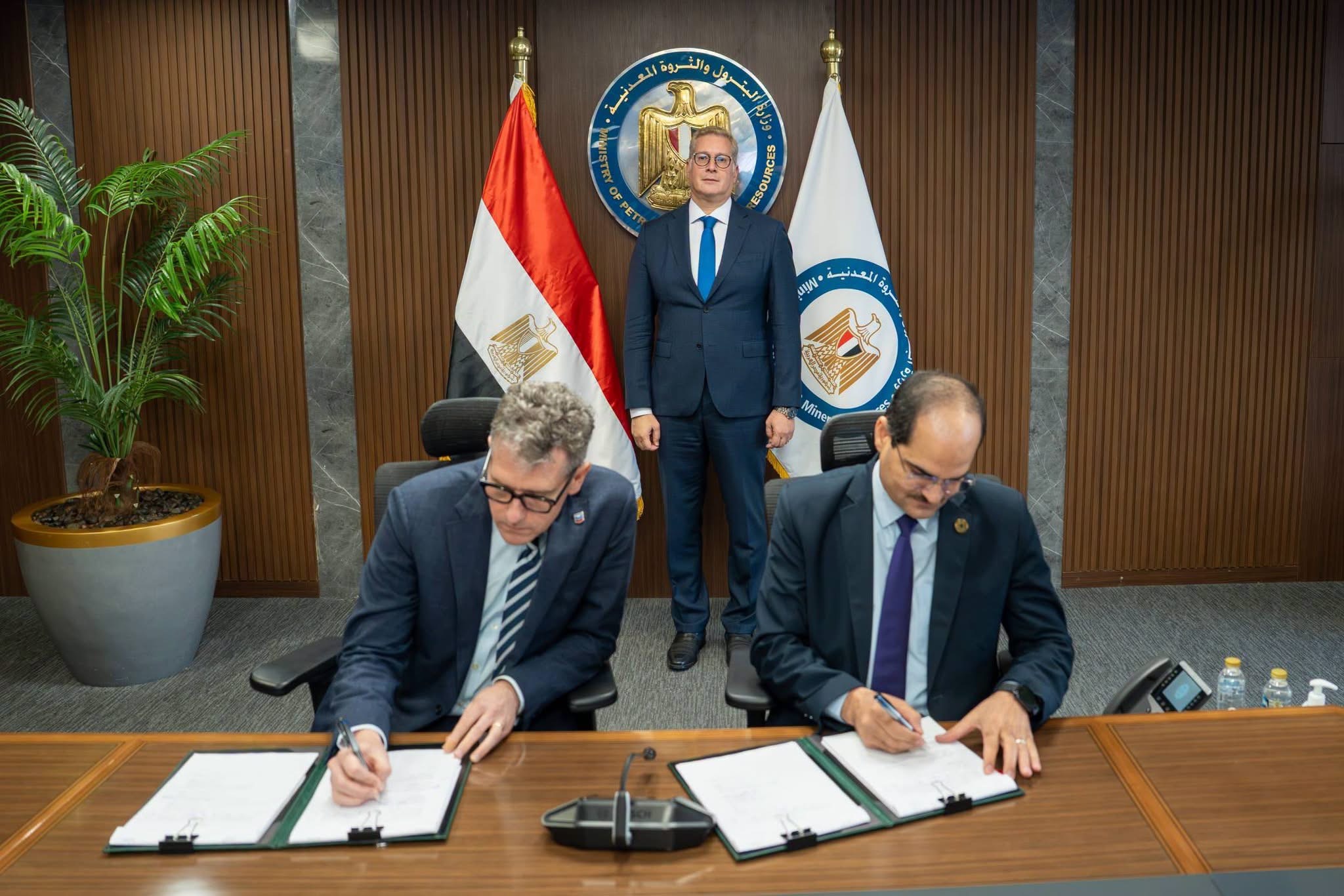
Egypt EGAS Chevron Lotus Block Deal: $88M for Gas, Oil Exploration
Summary
- EGAS and Chevron have signed an agreement for natural gas and crude oil exploration and exploitation.
- The deal involves a minimum investment of $88 million in the Mediterranean Sea's offshore Lotus block.
- The agreement was signed by EGAS Executive Managing Director Sayed Selim and Chevron’s Exploration Manager for the Middle East, North Africa and the Mediterranean.
- This partnership aims to develop Egypt's energy resources and attract foreign direct investment.
Major Offshore Energy Agreement Signed
A significant new agreement has been finalized between the Egyptian Natural Gas Holding Company (EGAS) and Chevron, earmarking a minimum investment of $88 million for extensive exploration and exploitation activities.
A significant new agreement has been finalized between the Egyptian Natural Gas Holding Company (EGAS) and Chevron, earmarking a minimum investment of $88 million for extensive exploration and exploitation activities. This substantial commitment targets natural gas and crude oil resources situated within the Mediterranean Sea's offshore Lotus block, signaling a renewed focus on Egypt's hydrocarbon potential.
The deal represents a key development in the nation's energy sector, specifically addressing the exploration and production of vital energy reserves. The collaborative effort between the state-owned EGAS and the international energy giant Chevron aims to unlock the full potential of the Lotus block, contributing to both domestic energy supply and potential export capabilities.
Formalizing this crucial Egypt EGAS Chevron Lotus block deal, the agreement was officially signed by Sayed Selim, the Executive Managing Director of EGAS, and Chevron’s Exploration Manager for the Middle East, North Africa and the Mediterranean. This high-level endorsement underscores the strategic importance both parties place on the successful execution of the project, which is poised to enhance Mediterranean exploration efforts significantly.
Strategic Investment in Egyptian Waters
The $88 million minimum investment underscores the confidence placed in Egypt's offshore energy investment landscape, particularly within the promising Mediterranean basin. This capital injection is specifically allocated for the comprehensive exploration and subsequent exploitation of natural gas and crude oil, vital commodities for Egypt's economic growth and energy security. The Lotus block gas oil agreement is a testament to the ongoing appeal of Egyptian waters for major international energy players.
This Chevron Egypt upstream deal is not merely about resource extraction; it represents a strategic partnership designed to leverage Chevron's global expertise in deepwater exploration alongside EGAS's deep understanding of the local geological and regulatory environment. Such collaborations are crucial for the successful development of complex offshore projects, which often require advanced technology and substantial financial backing.
The commitment to explore and exploit resources in the Mediterranean Sea's offshore Lotus block highlights the long-term vision of both EGAS and Chevron. It positions Egypt as an attractive destination for foreign direct investment in its energy sector, potentially paving the way for further ventures and strengthening its role as a regional energy hub.
Implications for Egypt's Energy Future
The signing of this agreement carries significant implications for Egyptian natural gas exploration and the broader energy sector. By securing a minimum investment of $88 million, Egypt is poised to expand its proven reserves and potentially increase its production capacity, which is critical for meeting growing domestic demand and fulfilling export ambitions. The successful development of the Lotus block could solidify Egypt's position as a key natural gas producer in the Eastern Mediterranean.
This partnership between EGAS and Chevron for the Lotus block is a clear indicator of the ongoing efforts to attract international expertise and capital into Egypt's upstream sector. Such agreements are instrumental in driving technological advancements and best practices in offshore drilling and production, ultimately benefiting the entire industry ecosystem within the country. The focus on both natural gas and crude oil exploitation provides a diversified approach to resource development.
Ultimately, the outcome of this exploration and exploitation venture in the offshore Lotus block will be closely watched by industry stakeholders. Its success could catalyze additional foreign investment and exploration activities in other promising areas of Egypt's Mediterranean waters, further boosting the nation's energy independence and economic prosperity. The initial $88 million commitment is a foundational step in a potentially much larger energy development narrative for the region.
Practical Implications
This significant $88m exploration deal signals new foreign direct investment and increased activity in Egypt's offshore energy sector. Legal teams advising energy companies in the region should monitor regulatory developments, potential environmental compliance requirements, and future contracting opportunities arising from this and similar ventures.
Source
Source: Original reporting via {source}
How does this affect you?
Get an AI analysis of this article grounded in your jurisdictions, practice areas, and any policy documents you've uploaded to Wansom.
Finish Reading the Full Story and the Expert Analysis.
Get the latest legal & regulatory intelligence in Egypt
Wansom is AI and can make mistakes.