
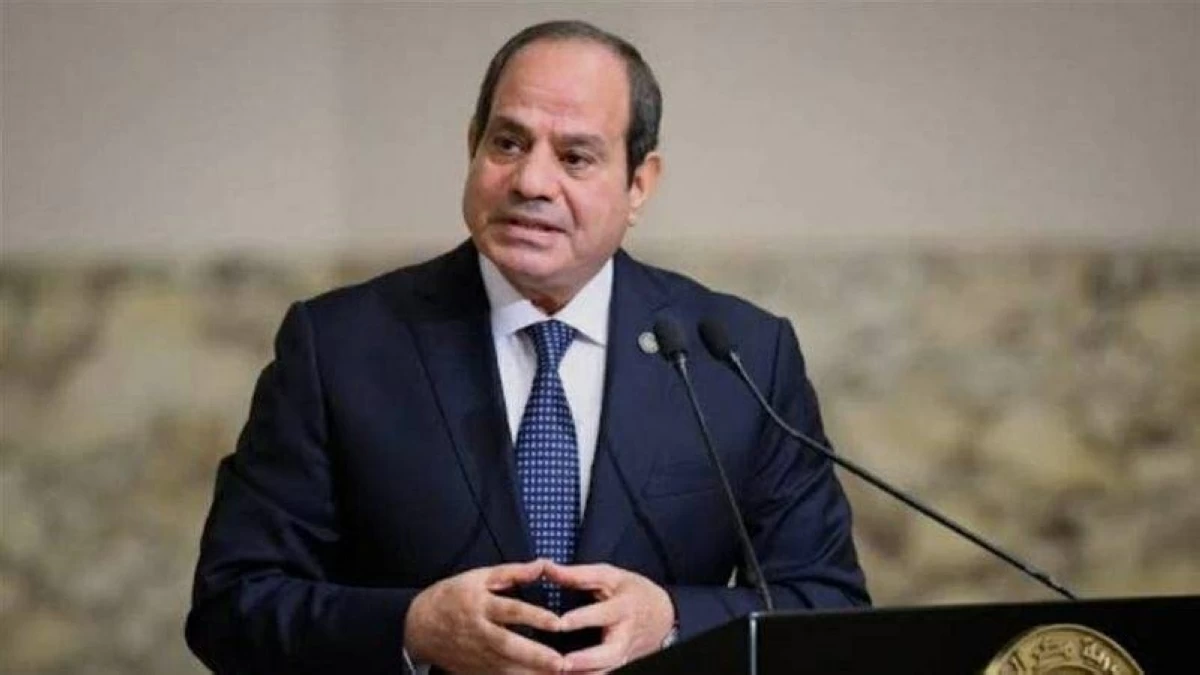
Egypt: Sisi Delegates Presidential Powers to Defense Minister
Egyptian President Abdel Fattah al-Sisi delegated certain presidential powers, as stipulated in the General Mobilization Law, to the Minister of Defense and Military Production.
This delegation of powers holds significant legal and operational implications for practitioners, businesses, and the public in Egypt. It suggests a streamlining of decision-making processes related to national security and emergency response, potentially allowing for quicker action during times of crisis or general mobilization. For legal professionals, it necessitates a clear understanding of the specific powers transferred and how this impacts the chain of command and accountability. While it could enhance efficiency, it also raises questions about the scope of authority vested in the Minister of Defense and the potential impact on civil liberties, economic controls, and resource allocation that might be invoked under mobilization laws. It further underscores the prominent role of the military in Egypt's governance structure and its capacity to directly influence various sectors of the economy and society.
The legal context for this action is firmly rooted in Egypt's constitutional framework and the General Mobilization Law. While the specific law number is not provided in the excerpt, such legislation typically grants the President extensive powers during states of emergency or general mobilization, including the ability to control resources, industries, and personnel for national defense. Article 150 of the Egyptian Constitution generally outlines presidential powers and allows for their delegation, provided such delegation is within the bounds of the law. The delegation would likely be formalized through a presidential decree, which would specify the precise scope, duration, and limitations of the powers transferred to the Minister of Defense. The commentary from Mohamed al-Ghabbary, former Director of the National Defense College, suggests that this move is an exercise of existing legal provisions rather than the creation of new powers.
The key parties involved are President Abdel Fattah al-Sisi, who initiated the delegation, and the Minister of Defense and Military Production, who is the recipient of these delegated powers. Mohamed al-Ghabbary, former Director of the National Defense College, provided expert commentary on the matter, as reported by Egypt Independent. The precise scope and impact of this delegation will depend on the specific wording of the presidential decree, which is not detailed in the excerpt.
Practitioners advising businesses or individuals in Egypt should closely monitor presidential decrees and legislative amendments related to national security and emergency powers. It is crucial to understand the specific powers delegated to the Minister of Defense, particularly if clients operate in sectors that could be subject to mobilization orders, such as transportation, logistics, manufacturing, or healthcare. Businesses should review and update their contingency plans and compliance frameworks to account for potential government directives under a state of general mobilization, now potentially issued directly by the Minister of Defense. This development highlights the importance of staying abreast of executive actions that can significantly alter the regulatory and operational landscape.
How does this affect you?
Get an AI analysis of this article grounded in your jurisdictions, practice areas, and any policy documents you've uploaded to Wansom.
Finish Reading the Full Story and the Expert Analysis.
Get the latest legal & regulatory intelligence in Egypt
Wansom is AI and can make mistakes.