
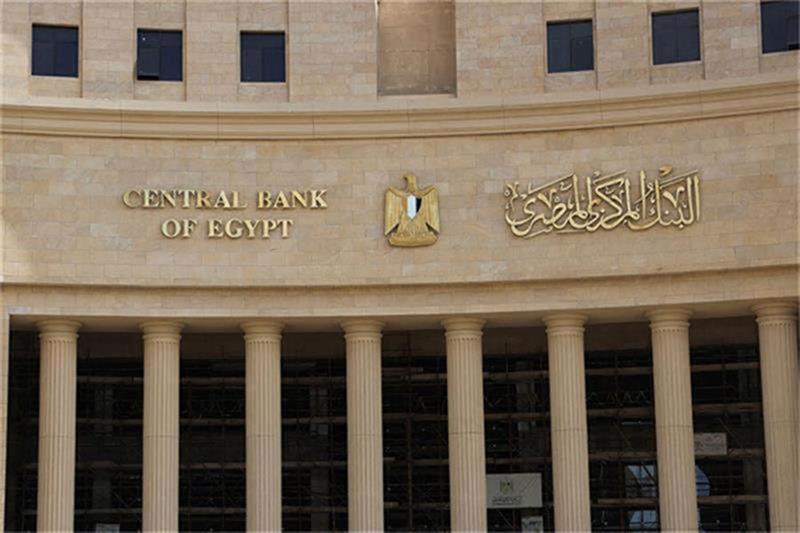
Egypt's Central Bank Warns Public Against Data Privacy Scams
The Central Bank of Egypt (CBE) issued a public warning on Wednesday against fraudulent calls and links targeting citizens' personal data, emphasizing that legitimate entities like Egypt Post, shipping companies, and banks would never request private information over the phone. This proactive communication from the nation's financial regulator aims to safeguard the public from increasingly sophisticated phishing and social engineering scams. The warning specifically highlighted the modus operandi of these fraudsters, who attempt to solicit sensitive details, thereby posing a significant threat to financial security and personal privacy across the country.
This advisory carries substantial legal and operational significance for financial institutions, e-commerce platforms, and any entity handling sensitive customer data within Egypt. For banks and other regulated financial service providers, it reinforces their existing obligations under consumer protection and data privacy laws to not only secure customer information but also to actively educate their clientele about potential threats. The CBE's statement underscores the growing prevalence of cybercrime and identity theft, necessitating robust internal security protocols, continuous employee training on fraud detection, and clear communication strategies to inform customers about safe interaction practices. For legal practitioners, this signals a heightened regulatory focus on cybersecurity and consumer protection, potentially leading to more stringent compliance requirements or increased scrutiny of entities failing to adequately protect customer data or inform them of risks.
Legally, the CBE operates under the Central Bank and Banking System Law No. 194 of 2020, which grants it extensive powers to regulate the banking sector, ensure financial stability, and protect consumers. This public warning aligns directly with its mandate to maintain a secure and trustworthy financial environment. Furthermore, Egypt's Personal Data Protection Law No. 151 of 2020 establishes a comprehensive framework for the processing, storage, and transfer of personal data, imposing strict obligations on data controllers and processors. While the warning itself is not a new regulation, it serves as a public enforcement and awareness tool, implicitly reminding regulated entities of their duties to prevent data breaches and fraud in accordance with these existing statutes. The CBE's action demonstrates a commitment to leveraging its regulatory authority to combat financial crime and protect the public interest.
The key parties involved in this development are primarily the Central Bank of Egypt (CBE), acting as the regulatory authority and public protector, and the citizens of Egypt, who are the intended beneficiaries of the warning and potential victims of the scams. Other entities explicitly mentioned include Egypt Post, shipping companies, and banks, all of which are legitimate service providers whose names are being exploited by fraudsters and whose customers are at risk. The unnamed fraudsters represent the perpetrators of these illegal activities, operating outside the bounds of legal and ethical conduct. The warning serves as a crucial interface between the regulator, regulated entities, and the general public in the ongoing fight against financial crime.
Attorneys advising financial institutions, telecommunication companies, e-commerce platforms, and logistics providers in Egypt should immediately review their clients' current data protection policies, customer communication protocols, and fraud prevention strategies. It is imperative to ensure that clients are actively educating their customers about phishing, social engineering scams, and secure communication practices, aligning with the CBE's explicit guidance. Legal teams should also assess the adequacy of internal training programs for employees who handle customer data, particularly regarding identifying and reporting suspicious activities. Furthermore, practitioners should monitor for any subsequent regulatory circulars or enforcement actions from the CBE or the newly established Personal Data Protection Center, as this public warning may precede more formal directives or increased regulatory scrutiny of data security practices across various sectors.
How does this affect you?
Get an AI analysis of this article grounded in your jurisdictions, practice areas, and any policy documents you've uploaded to Wansom.
Finish Reading the Full Story and the Expert Analysis.
Get the latest legal & regulatory intelligence in Egypt
Wansom is AI and can make mistakes.