
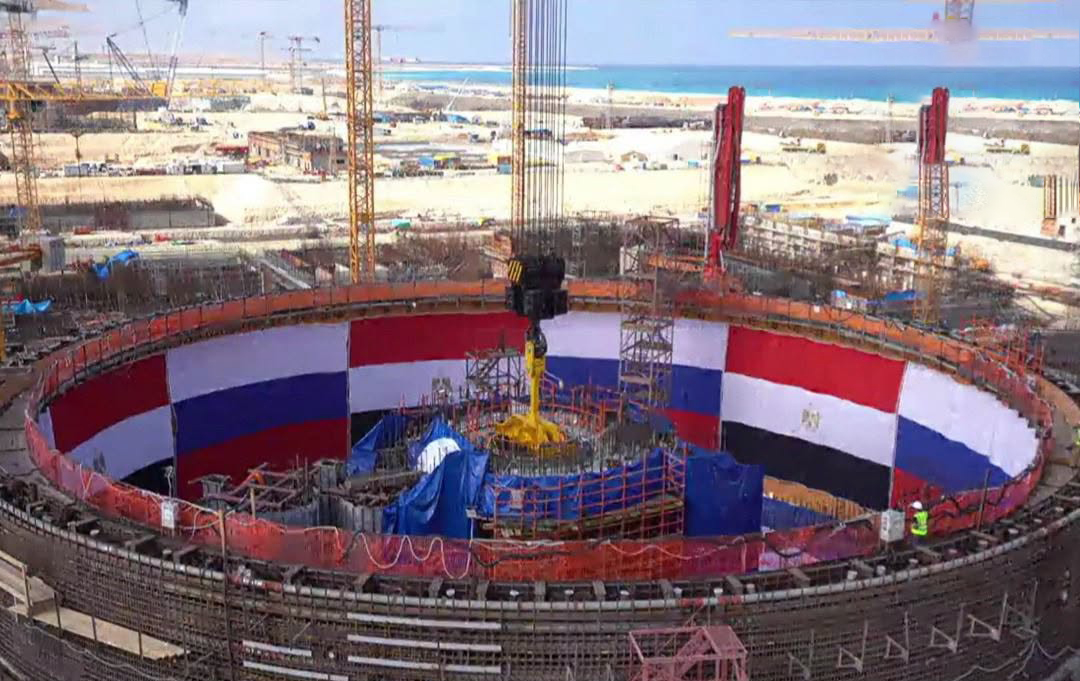
Egypt Rosatom Dabaa Desalination Project: Securing Water for Nuclear Complex
Summary
- Egypt is collaborating with Russia's Rosatom on a seawater desalination project in Dabaa.
- The desalination plant will supply water to Dabaa city and its surrounding areas.
- It will also meet the water requirements of Egypt's planned nuclear power complex in Dabaa.
Project Overview
The project is designed to address critical water supply needs for both residential and industrial purposes within the area.
Egypt is actively collaborating with Russia's state-owned nuclear energy corporation, Rosatom, on a significant infrastructure initiative. This joint effort centers on the development of a seawater desalination facility situated in the Dabaa region of Egypt. The project is designed to address critical water supply needs for both residential and industrial purposes within the area.
The primary objective of this desalination plant is twofold. Firstly, it aims to provide a reliable source of potable water to Dabaa city itself and the surrounding communities, thereby supporting regional development and improving living standards. Secondly, and equally crucial, the facility is intended to meet the substantial water demands of Egypt's planned nuclear power complex, which is also slated for construction in Dabaa.
This strategic partnership underscores a broader commitment to securing essential resources for major national development projects. The involvement of Rosatom, primarily known for its nuclear energy expertise, in a water infrastructure project highlights the integrated nature of large-scale industrial developments, where foundational utilities like water supply are indispensable for operational success and sustainability. The Dabaa nuclear complex water supply is a critical component of its overall viability.
Strategic Importance for Dabaa
The establishment of a seawater desalination plant in Dabaa holds immense strategic importance for the region's future. By ensuring a stable and sufficient water supply, the project directly supports the growth and expansion of Dabaa city and its adjacent areas. This provision of water is fundamental for both existing populations and anticipated demographic shifts linked to the development of the nuclear power complex.
Furthermore, the project is intrinsically linked to the operational requirements of the Dabaa nuclear power complex. Nuclear facilities, by their very nature, require substantial and consistent water resources for various processes, including cooling and auxiliary systems. The dedicated desalination plant guarantees that the Dabaa nuclear water needs will be met independently, mitigating potential strains on existing freshwater resources and ensuring the complex's long-term operational security.
This initiative represents a key component within Egypt's broader infrastructure water projects, demonstrating a proactive approach to resource management in areas slated for significant industrial and energy development. The integration of a major water utility alongside a large-scale energy project like the Dabaa nuclear complex exemplifies a comprehensive planning strategy aimed at fostering sustainable growth and energy independence.
Future Implications and Development
The collaboration between Egypt and Rosatom on the Dabaa seawater desalination project signals a significant investment in the region's industrial and residential water supply, with far-reaching implications for economic development and resource security. This project is not merely about providing water; it's about enabling the realization of a major national energy asset and supporting the concomitant urban and industrial expansion around it. The successful implementation of such a facility will be a cornerstone for the entire Dabaa development.
From a broader perspective, this development highlights the increasing global trend of integrating water infrastructure with large-scale energy projects, particularly in water-stressed regions. For legal professionals, particularly those advising on infrastructure, energy, or environmental projects in Egypt, this initiative presents a crucial area for monitoring. It suggests potential contractual opportunities in project development and management, as well as significant regulatory compliance requirements related to water resource management and environmental impact assessments.
The project's dual focus on municipal and industrial water provision underscores a holistic approach to regional planning. It aims to ensure that the benefits of the Dabaa nuclear complex extend beyond energy generation, contributing directly to the welfare of local communities through enhanced access to essential services. This integrated strategy is vital for the long-term sustainability and public acceptance of such large-scale national endeavors.
Practical Implications
Lawyers advising on infrastructure, energy, or environmental projects in Egypt should monitor this development for potential contractual opportunities, regulatory compliance requirements related to water resources, and environmental impact assessments. It signals significant investment in the Dabaa region's industrial and residential water supply.
Source
How does this affect you?
Get an AI analysis of this article grounded in your jurisdictions, practice areas, and any policy documents you've uploaded to Wansom.
Finish Reading the Full Story and the Expert Analysis.
Wansom is AI and can make mistakes.