
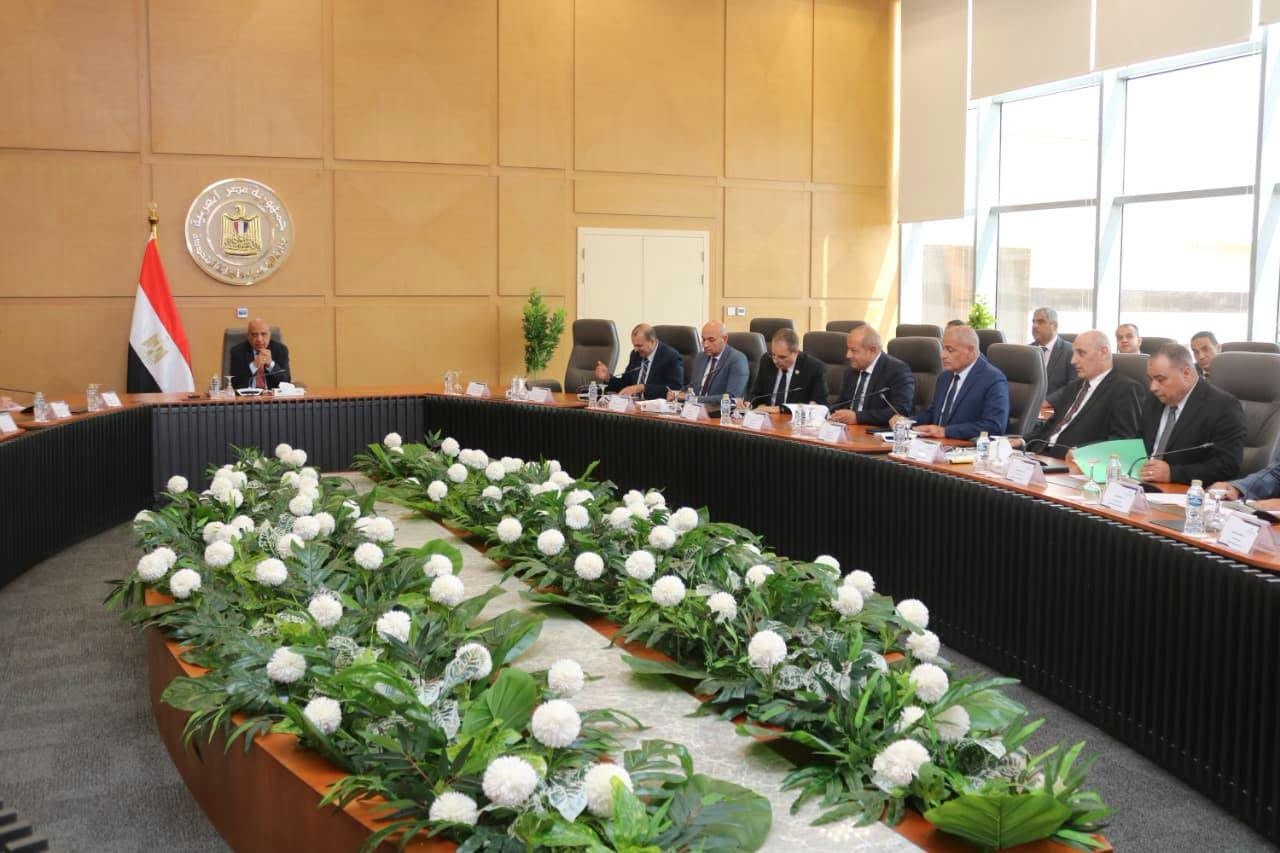
Egypt: Mahmoud Esmat Mandates 72-Hour Electricity Meter Replacement
Summary
- Egypt's Minister of Electricity and Renewable Energy, Mahmoud Esmat, has directed nationwide electricity distribution companies to enhance bill oversight and ensure accurate consumption readings.
- The directives also mandate improved mechanisms for handling Egyptian electricity consumer complaints and grievances.
- A new standard requires the replacement of faulty electricity meters within 72 hours of a complaint.
- These measures align with President Abdel Fattah Al-Sisi’s directives for rigorous supervision of electricity bills.
- The changes aim to strengthen Egypt electricity bill oversight and energy distribution compliance across the country.
New Directives for Electricity Sector Oversight
A critical new standard has been introduced, requiring the replacement of faulty electricity meters within a strict 72-hour timeframe from the moment a complaint is registered.
Egypt's Minister of Electricity and Renewable Energy, Mahmoud Esmat, has issued comprehensive directives to electricity distribution companies across the nation. These mandates are designed to significantly enhance the scrutiny and auditing of electricity bills, ensuring greater transparency and accuracy for consumers. A key focus is on guaranteeing precise consumption readings, addressing a long-standing area of concern for the public.
Beyond billing accuracy, the directives also emphasize a substantial improvement in the mechanisms available for handling customer complaints and grievances. This holistic approach aims to streamline the resolution process for consumers encountering issues with their electricity services. Furthermore, a critical new standard has been introduced, requiring the replacement of faulty electricity meters within a strict 72-hour timeframe from the moment a complaint is registered.
These measures are not isolated but align directly with broader directives from President Abdel Fattah Al-Sisi, who has called for direct and rigorous supervision of electricity billing practices. The presidential mandate underscores the government's commitment to ensuring fair and accurate energy distribution compliance throughout Egypt, impacting both residential and commercial consumers.
Strengthening Regulatory Compliance and Consumer Protection
The directives from Minister Esmat represent a significant push towards strengthening regulatory compliance within Egypt's energy distribution sector. By mandating enhanced oversight of electricity bills and accurate electricity readings, the government aims to mitigate discrepancies and build greater trust between service providers and consumers. This proactive stance is crucial for maintaining stability and fairness in the provision of essential services.
The emphasis on improving mechanisms for Egyptian electricity consumer complaints reflects a recognition of past challenges in this area. A more efficient and responsive complaint system is expected to reduce consumer frustration and provide clearer avenues for redress. This focus on consumer experience is integral to the overall goal of ensuring that energy distribution companies operate with the highest standards of accountability.
The introduction of a 72-hour deadline for electricity meter replacement is a particularly impactful directive. This specific timeframe sets a clear service standard that distribution companies must meet, directly addressing operational inefficiencies that could previously leave consumers without accurate measurement for extended periods. This measure is a tangible step towards improving service delivery and ensuring continuous, reliable metering.
Implications for Businesses and Legal Compliance
For businesses operating in Egypt, these new directives signal an era of increased scrutiny on electricity billing and energy distribution compliance. Lawyers advising commercial entities should be acutely aware of the strengthened oversight, as it could significantly impact operational compliance requirements and the landscape for dispute resolution. Companies should anticipate more rigorous auditing of their electricity consumption records and be prepared to demonstrate adherence to billing accuracy standards.
Compliance officers within businesses are advised to review and, if necessary, overhaul their internal processes for verifying electricity bills and handling any related customer complaints. Aligning these internal procedures with the government's strengthened oversight directives is crucial to avoid potential penalties or operational disruptions. The 72-hour standard for electricity meter replacement also has direct implications for businesses, particularly those reliant on consistent and accurately measured power supply, as it sets an expectation for rapid resolution of metering issues.
Ultimately, these Mahmoud Esmat electricity directives underscore a broader governmental push for transparency and accountability in the energy sector. Businesses must adapt to this evolving regulatory environment, ensuring their energy consumption and billing practices are robust and fully compliant with the new standards, including the expedited process for Egypt 72-hour electricity meter replacement.
Practical Implications
Lawyers advising businesses in Egypt should be aware of increased scrutiny on electricity billing and the new 72-hour standard for meter replacement, which could impact operational compliance and dispute resolution. Compliance officers should review internal processes for bill verification and customer complaint handling to align with these strengthened oversight directives.
Source
How does this affect you?
Get an AI analysis of this article grounded in your jurisdictions, practice areas, and any policy documents you've uploaded to Wansom.
Finish Reading the Full Story and the Expert Analysis.
Wansom is AI and can make mistakes.