
Egypt: Programme-Based Budgeting Pilot Launches in 2027
Summary
- Egypt's Cabinet announced plans to pilot programme and performance-based budgeting.
- This new budgeting approach will begin in the 2027/2028 fiscal year.
- The initiative aims to improve public spending efficiency and strengthen public financial management.
- This reform signals potential future changes in legal frameworks for public procurement and contracts.
Major Budgetary Shift Announced
The impending pilot of programme and performance-based budgeting in FY2027/2028 carries significant implications for various stakeholders, particularly those operating within or interacting with the Egyptian public sector.
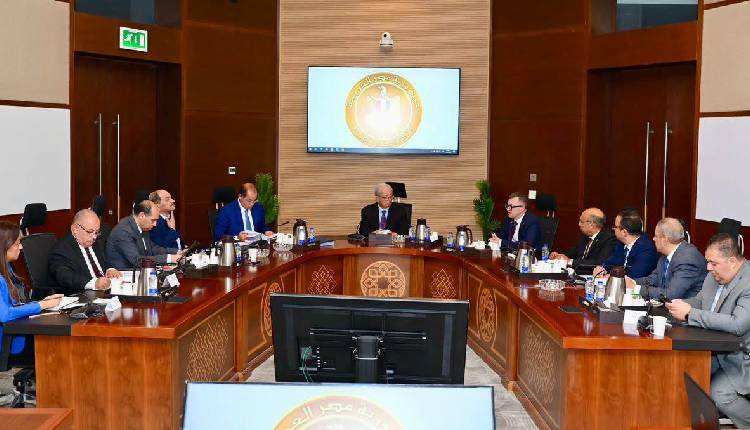
The Egyptian Cabinet recently disclosed plans to initiate a significant overhaul of its national budgeting methodology. This pivotal announcement, made on Thursday, outlines the introduction of a pilot program for programme and performance-based budgeting, signaling a strategic move towards more accountable and results-oriented fiscal management. This new approach is slated to commence during the 2027/2028 fiscal year, marking a crucial juncture in the nation's financial governance.
This forthcoming pilot represents a fundamental departure from traditional line-item budgeting, where funds are allocated based on inputs rather than outputs. Instead, the programme-based model will tie financial allocations directly to specific government programs and their intended outcomes. This shift is designed to foster greater transparency and effectiveness in how public funds are utilized across various sectors.
The decision to implement this pilot in FY2027/2028 underscores a deliberate timeline for preparation and phased integration. It indicates that the government is laying the groundwork for a more sophisticated and data-driven approach to its financial planning and execution, with the initial phase focusing on selected areas before potential broader adoption.
Driving Public Financial Management Reform
At the core of this initiative lies a broader commitment to enhancing Egypt's public financial management reform agenda. The Cabinet explicitly stated that the introduction of programme and performance-based budgeting is a key component of ongoing efforts aimed at bolstering the overall efficiency of public spending. This strategic direction seeks to ensure that taxpayer money is deployed in a manner that maximizes societal benefit and achieves predefined governmental objectives.
The adoption of a programme and performance-based budgeting framework is internationally recognized as a sophisticated tool for improving governance and accountability. By linking budgetary allocations to measurable performance indicators and specific program goals, the Egyptian government intends to gain clearer insights into the impact of its expenditures. This method encourages ministries and public entities to articulate their objectives more precisely and to demonstrate how allocated funds contribute to achieving those targets.
Ultimately, the goal is to cultivate a culture of performance and accountability within the public sector, moving beyond mere compliance with spending limits to an emphasis on achieving tangible results. This reform is expected to provide policymakers with better data for decision-making, allowing for more informed resource allocation and a clearer understanding of where public funds are generating the most value. It signifies a proactive step towards modernizing the state's financial operations.
Anticipating Future Fiscal and Legal Landscapes
The impending pilot of programme and performance-based budgeting in FY2027/2028 carries significant implications for various stakeholders, particularly those operating within or interacting with the Egyptian public sector. This foundational change in how the government plans and executes its budget will inevitably lead to shifts in the broader fiscal landscape, potentially influencing future budget cycles and the allocation of resources across different governmental priorities.
From a legal and regulatory perspective, this reform signals forthcoming adjustments that could impact frameworks governing public procurement, state-funded projects, and public contracts. As the government transitions to a performance-centric budgeting model, there may be a corresponding evolution in the criteria for awarding contracts, the structure of project agreements, and the compliance requirements for entities engaging with public funds. Legal professionals advising businesses involved in public sector dealings should therefore closely monitor these developments.
The move towards a more outcome-focused budgeting system could necessitate revisions to existing legal instruments to align with the new emphasis on performance metrics and program results. This proactive approach to budget reform suggests that the Egyptian government is preparing for a long-term transformation of its financial management, making it crucial for legal and business communities to anticipate and adapt to these evolving requirements. The pilot in 2027/2028 is not merely an administrative change but a precursor to a potentially widespread redefinition of public sector engagement.
Practical Implications
This signals upcoming changes in Egypt's public financial management, potentially impacting legal frameworks for government procurement, public contracts, and state-funded projects from FY2027/2028. Lawyers advising entities involved in public sector dealings should monitor these developments for shifts in compliance requirements and contractual terms.
Source
How does this affect you?
Get an AI analysis of this article grounded in your jurisdictions, practice areas, and any policy documents you've uploaded to Wansom.
Finish Reading the Full Story and the Expert Analysis.
Get the latest legal & regulatory intelligence in Egypt
Wansom is AI and can make mistakes.