
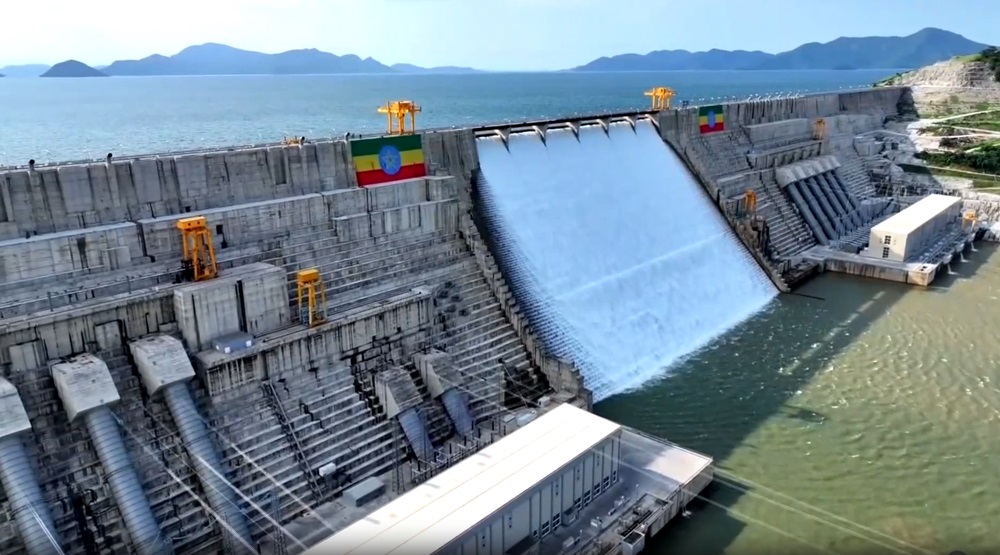
Egypt's Experts Identify Options to Deter Ethiopia's Nile Dam Plans
Summary
- Egypt has identified various tools to deter Ethiopia's unilateral actions regarding the Nile waters.
- The Cooperative Framework Agreement (CFA) emphasizes cooperation among riparian states in managing the Nile waters.
- Ethiopia's recent statements have sparked fears that Addis Ababa may disregard regional agreements and exacerbate tensions with Egypt.
What Happened
Egypt's strategy is based on parallel diplomatic efforts to address the issue, aiming to prevent further escalation and promote dialogue between the two countries.
Egypt's experts in African affairs have identified various tools at the country's disposal to counter Ethiopia's unilateral actions regarding the Nile waters and its dams. These tools include political, diplomatic, legal, and regional measures that Cairo can employ to deter Addis Ababa's plans. The experts' comments come after Ethiopia announced its intention to construct more dams on the Blue Nile, sparking concerns about Egypt's water rights.
Egypt's strategy in this matter is multifaceted, with a focus on parallel diplomatic efforts to address the issue. This approach aims to prevent further escalation and promote dialogue between the two countries. The experts emphasized that Cairo has a range of options available to it, from economic sanctions to regional cooperation initiatives.
Legal Context
The Nile Basin Initiative (NBI) is a key framework for managing water resources in the region. As part of this initiative, Ethiopia is a signatory to the Cooperative Framework Agreement (CFA), which aims to promote sustainable development and management of the Nile waters, though Egypt has refused to sign it. However, Ethiopia's unilateral actions regarding its dams have raised concerns about compliance with regional agreements and the potential impact on Egypt's water rights.
The CFA emphasizes the importance of cooperation among riparian states in managing the Nile waters. It also provides a framework for resolving disputes through diplomatic means. Despite this, Ethiopia's recent statements have sparked fears that Addis Ababa may be willing to disregard these agreements. As a result, Egypt's experts are urging caution and emphasizing the need for regional cooperation to address the issue.
Why It Matters
The Nile water rights dispute between Egypt and Ethiopia has significant implications for regional relations and compliance with international agreements. The construction of more dams on the Blue Nile could exacerbate tensions between the two countries, potentially leading to further conflict.
Lawyers advising clients on Nile Basin projects should be aware of Egypt's potential countermeasures and consider the implications for project timelines and compliance with regional agreements. The dispute highlights the need for robust diplomatic efforts to address the issue and promote sustainable development in the region.
Practical Implications
Lawyers advising clients on Nile Basin projects should be aware of Egypt's potential countermeasures and consider the implications for project timelines and compliance with regional agreements.
Source
How does this affect you?
Get an AI analysis of this article grounded in your jurisdictions, practice areas, and any policy documents you've uploaded to Wansom.
Wansom is AI and can make mistakes.