
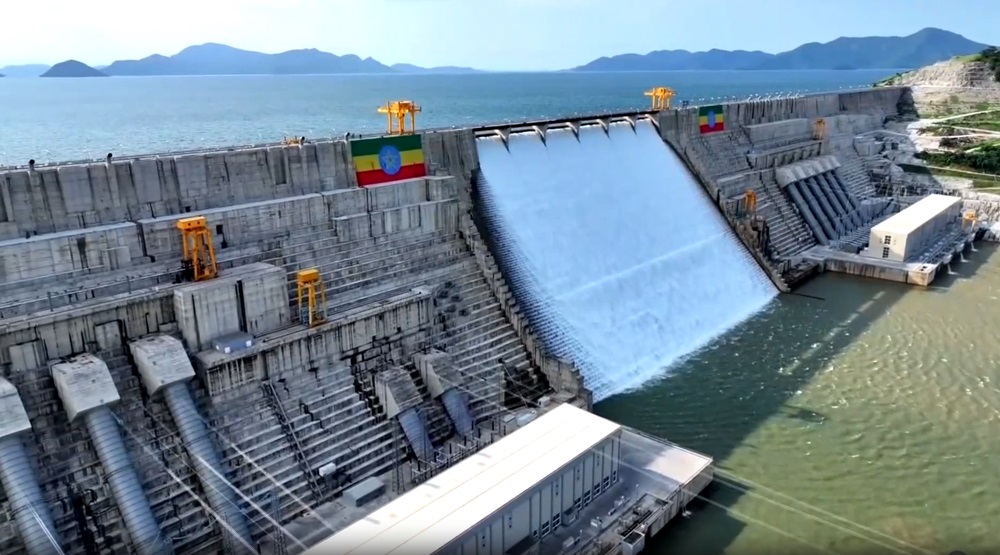
Egypt Opposes GERD Construction Without Binding Agreement
Summary
- Egypt opposes the operation and management of the Grand Ethiopian Renaissance Dam without a binding agreement on its operation and management.
- The lack of such an agreement has raised concerns about potential compliance risks related to water rights among lawyers advising clients with business interests in the region.
- Negotiations between Egypt and Ethiopia have been ongoing for some time, but significant differences remain between the two nations.
Egypt's Concerns over GERD Construction
Egyptian officials have been vocal in their opposition to the operation and management of the GERD without a binding agreement, citing concerns over water rights and the potential harm it could cause to Egyptian interests.
The Grand Ethiopian Renaissance Dam (GERD) has been a contentious issue between Egypt and Ethiopia, with Ethiopia's Minister of Water and Energy, Habtamu Itefa Geleta, recently sparking controversy by stating his country's desire to build new dams. This development comes amidst ongoing disputes between the two nations regarding the GERD and the lack of a legally binding agreement on its operation and management. The absence of such an agreement has raised concerns about the potential impact on downstream nations, including Egypt.
Egyptian officials have been vocal in their opposition to the operation and management of the GERD without a binding agreement, citing concerns over water rights and the potential harm it could cause to Egyptian interests.
Legal Context: Binding Agreement Elusive
The dispute between Egypt and Ethiopia over the GERD is not new, with negotiations on a legally binding agreement on its operation and management having been ongoing for some time. Despite progress in certain areas, significant differences remain between the two nations, making it challenging to reach a mutually acceptable agreement. The lack of a binding agreement has raised concerns among lawyers advising clients with business interests in the region, who are monitoring developments closely due to potential compliance risks related to water rights.
The GERD is a massive dam project that aims to provide hydroelectric power and irrigation for millions of people in Ethiopia. It is currently operational. However, its operation without a binding agreement on operation and management has raised concerns about the potential impact on downstream nations, including Egypt.
Why It Matters: Compliance Risks and Regional Stability
The ongoing dispute between Egypt and Ethiopia over the GERD highlights the importance of a legally binding agreement on its operation and management. The lack of such an agreement has raised concerns among lawyers advising clients with business interests in the region, who are monitoring developments closely due to potential compliance risks related to water rights. Regional stability is also at risk if the dispute is not resolved through diplomatic means.
The GERD is a complex issue that requires careful consideration of various factors, including water rights, regional stability, and economic development. A binding agreement on its operation and management would provide much-needed clarity and stability for all parties involved.
Practical Implications
Lawyers advising clients with business interests in the region should monitor developments on the Grand Ethiopian Renaissance Dam, as a binding agreement on its operation and management remains elusive, potentially exposing them to compliance risks related to water rights.
Source
How does this affect you?
Get an AI analysis of this article grounded in your jurisdictions, practice areas, and any policy documents you've uploaded to Wansom.
Wansom is AI and can make mistakes.