
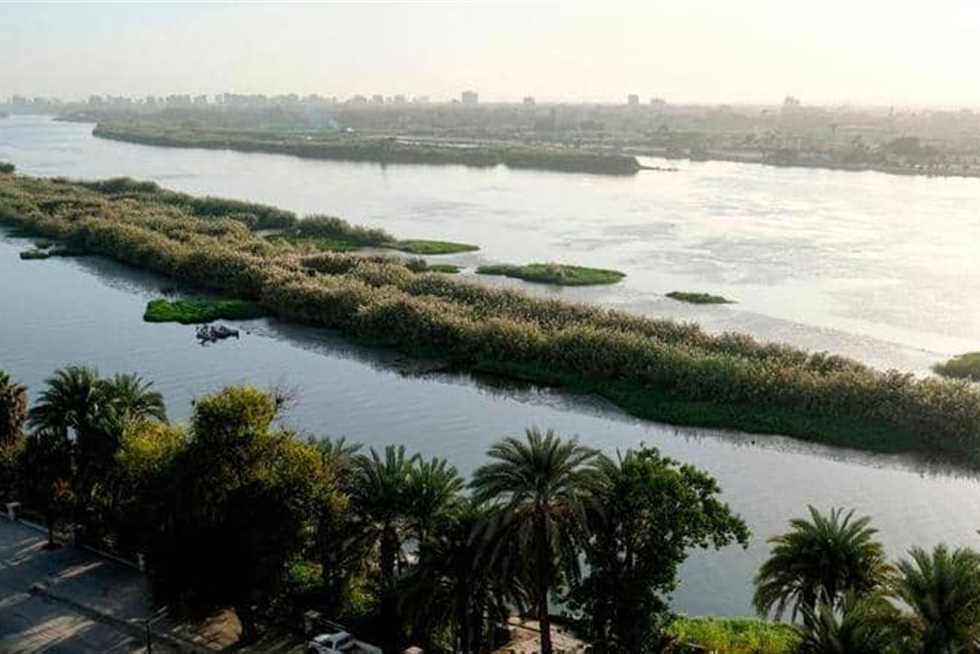
Egypt Nile River Water Supply Minister: Urges International Water Law Adherence
Summary
- Egypt's Irrigation Minister Hani Sewilam stated that the Nile River provides 98 percent of Egypt's water supply.
- He emphasized the necessity of strict adherence to international water law, data sharing, and prior consultation for transboundary projects.
- These remarks were made at Cairo Water Week during a session on the Africa Water Vision 2063.
- Minister Sewilam highlighted that 90 percent of Africa's surface water is located within shared international basins.
Minister Highlights Water Dependency and Legal Imperatives
Egypt's profound reliance on the Nile River, which accounts for 98 percent of its water resources, underscores the critical importance of robust international water law and cooperative frameworks for transboundary projects across the continent.
Egypt's Irrigation Minister, Hani Sewilam, recently emphasized the nation's profound reliance on the Nile River, which accounts for 98 percent of its water resources. Speaking at Cairo Water Week during a session focused on the Africa Water Vision 2063, Minister Sewilam underscored the critical need for adherence to international water law, robust data sharing mechanisms, and mandatory prior consultation for any transboundary projects.
His remarks, delivered on Tuesday, highlighted the intricate challenges inherent in managing shared water resources across the African continent. The minister's statement serves as a significant reminder of the delicate balance required to ensure water security for downstream nations like Egypt, particularly given the extensive network of shared river basins throughout Africa.
The Context of Shared African Basins
The broader African landscape presents a complex hydrological reality, with approximately 90 percent of the continent's surface water flowing through shared international basins. This geographical characteristic necessitates a stringent legal and cooperative framework to prevent disputes and ensure equitable resource allocation among riparian states. Minister Hani Sewilam's address at Cairo Water Week directly confronted this reality, advocating for a principled approach to water governance.
Such a high proportion of shared water bodies means that decisions made by one nation can have significant repercussions for others. Therefore, the principles of international water law, including the obligation for data exchange and the requirement for prior consultation on any new transboundary water projects in Africa, are not merely recommendations but essential safeguards for regional stability and sustainable development. These frameworks are particularly vital in the context of ambitious regional development goals like the Africa Water Vision 2063.
Implications for Regional Stability and Development
The Egyptian Nile River water supply minister's statement carries substantial weight, particularly for nations heavily dependent on shared rivers. Egypt's near-total reliance on the Nile makes any upstream developments a matter of national security and economic stability. The call for strict adherence to international water law by Hani Sewilam is thus a direct appeal for predictable and cooperative management of these vital resources.
Effective implementation of international water law, coupled with transparent data sharing and genuine prior consultation, is paramount for the success of transboundary water projects in Africa. Without these foundational elements, the potential for conflict over water resources remains high, jeopardizing the aspirations outlined in initiatives such as the Africa Water Vision 2063. The Cairo Water Week statement by Minister Sewilam reinforces that legal compliance and collaborative dialogue are indispensable for sustainable water management across the continent.
Practical Implications
Lawyers and compliance officers advising on infrastructure or development projects in shared African river basins, particularly the Nile, should monitor adherence to international water law and prior consultation requirements. This statement underscores the critical importance of these legal frameworks for project viability and risk mitigation, especially in light of the Africa Water Vision 2063.
Source
How does this affect you?
Get an AI analysis of this article grounded in your jurisdictions, practice areas, and any policy documents you've uploaded to Wansom.
Finish Reading the Full Story and the Expert Analysis.
Wansom is AI and can make mistakes.