
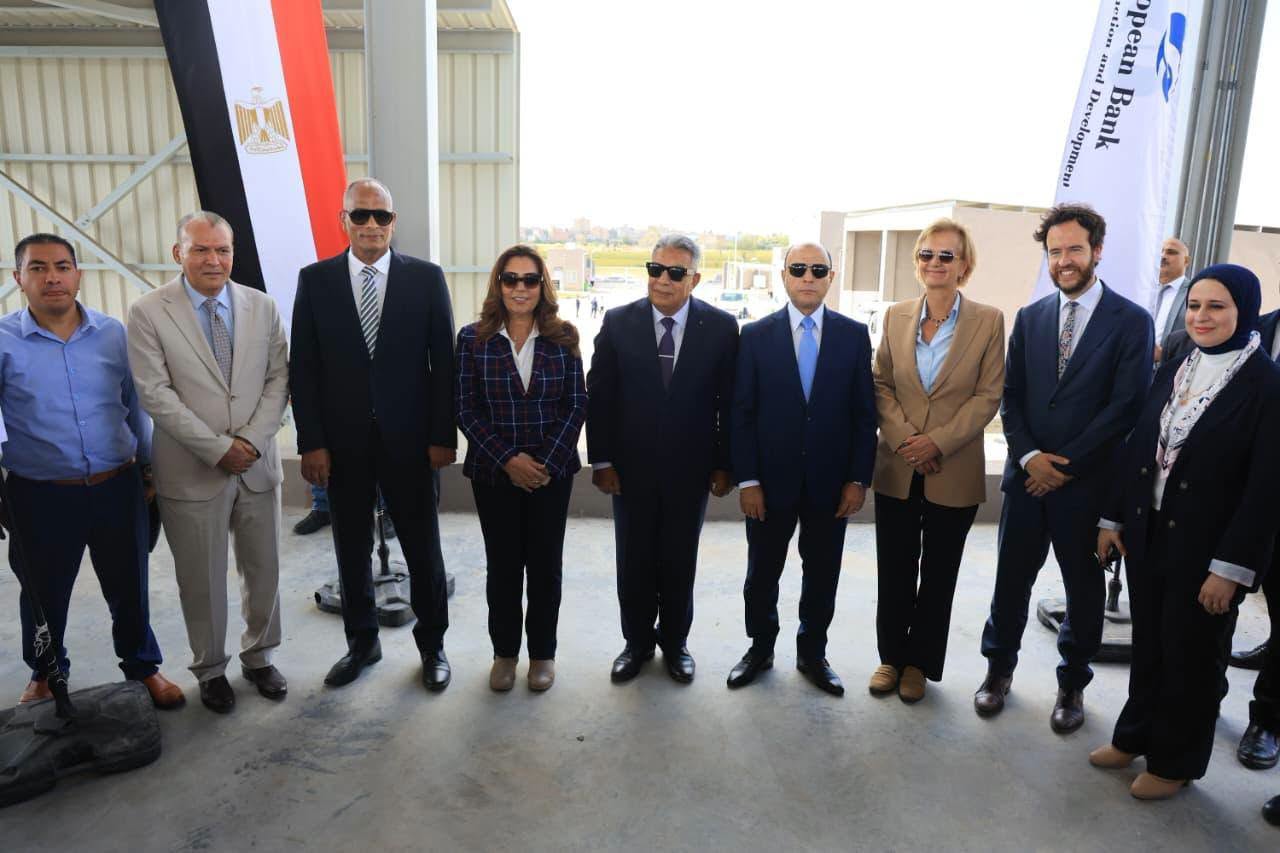
Egypt: Kitchener Drain Waste Transfer Stations Open, Boost Depollution
Summary
- Egypt has opened two new waste transfer stations in the Dakahlia and Gharbia governorates.
- These facilities represent a combined investment of €3.8 million.
- Their establishment is part of a larger project aimed at improving water quality in the Kitchener Drain.
- The Ministry of Local Development and Environment announced the operationalization of these stations.
New Waste Transfer Stations Operational in Egypt
Lawyers should therefore proactively monitor for any new regulations or stricter enforcement actions that may emerge as a direct consequence of the ongoing Kitchener Drain depollution project.
Egypt has recently inaugurated two new waste transfer stations, marking a significant step in its environmental infrastructure development. These facilities are strategically located within the Dakahlia and Gharbia governorates, areas crucial to the nation's ongoing efforts to enhance environmental sustainability. The establishment of these two Egypt Kitchener Drain waste transfer stations represents a substantial investment, with their combined development cost reaching €3.8 million. This financial commitment underscores the government's dedication to modernizing waste management practices in these key regions.
The operationalization of these stations is a direct response to the pressing need for improved waste handling capabilities in the Dakahlia Gharbia waste management landscape. By providing designated points for waste collection and preliminary sorting, these facilities are designed to streamline the process before waste is transported for further treatment or disposal. This foundational improvement in local waste logistics is expected to have a cascading positive effect on the surrounding environment and public health.
Part of Broader Depollution Efforts
The opening of these waste transfer stations is not an isolated event but rather a critical component of a much larger, overarching initiative: the Egypt Kitchener Drain depollution project. This comprehensive program is specifically designed to tackle the severe water quality issues plaguing the Kitchener Drain, a vital waterway. The Ministry of Local Development and Environment Egypt formally announced the launch of these stations, highlighting their integral role in achieving the project's ambitious goals.
The primary objective of the broader depollution project, and by extension these new waste facilities, is the substantial improvement of water quality within the Kitchener Drain. By intercepting and managing solid waste that might otherwise contaminate the drain, these stations contribute directly to mitigating pollution. This strategic intervention reflects a concerted governmental effort to address long-standing environmental challenges and enhance the ecological health of the region, aligning with national priorities for Egypt environmental infrastructure development.
Legal and Regulatory Implications
The establishment and operationalization of these waste transfer stations carry significant implications, particularly for legal professionals advising clients operating within Egypt, especially in the Dakahlia and Gharbia governorates. These developments signal a clear and intensified focus by the Egyptian government on waste management and environmental compliance. Lawyers should therefore proactively monitor for any new regulations or stricter enforcement actions that may emerge as a direct consequence of the ongoing Kitchener Drain depollution project.
The investment in such Egypt environmental infrastructure indicates a growing regulatory landscape where businesses may face increased scrutiny regarding their waste disposal practices and overall environmental footprint. Clients in these regions, particularly those whose operations could impact water quality or generate substantial waste, should be prepared for potential updates to environmental compliance requirements. Furthermore, the Ministry of Local Development and Environment's active role suggests a robust governmental commitment to achieving the water quality improvement Egypt seeks, implying that non-compliance could lead to more stringent penalties. This evolving environment necessitates a proactive approach to legal counsel, ensuring clients remain abreast of all relevant environmental mandates.
Practical Implications
Lawyers advising clients in Egypt, particularly those in the Dakahlia and Gharbia governorates, should monitor for new waste management regulations or environmental compliance requirements that may arise from the operationalization of these new waste transfer stations, as well as potential enforcement actions related to the Kitchener Drain depollution efforts.
Source
How does this affect you?
Get an AI analysis of this article grounded in your jurisdictions, practice areas, and any policy documents you've uploaded to Wansom.
Finish Reading the Full Story and the Expert Analysis.
Get the latest legal & regulatory intelligence in Egypt
Wansom is AI and can make mistakes.