
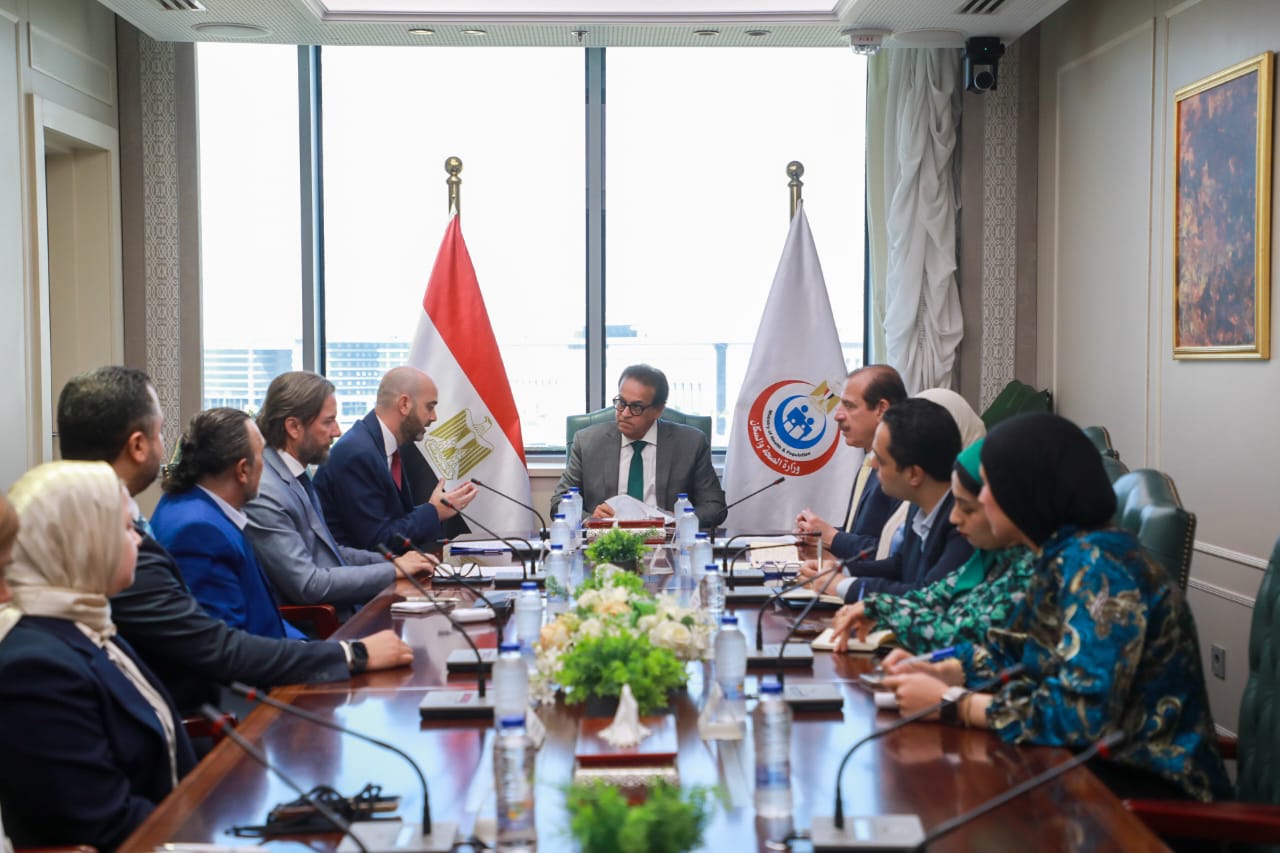
Egypt Health Ministry to Establish Migrant Health Unit Under IOM Agreement
Egypt's Health Ministry, in collaboration with the International Organization for Migration (IOM), is establishing a dedicated migrant health unit to improve healthcare access and coordinate referrals for migrants and host communities under a new agreement. This initiative aims to expand health services, including support for the early detection and treatment of HIV, signifying a concerted effort to address the health needs of vulnerable populations within the country.
This development holds significant legal and practical implications for practitioners, particularly those involved in human rights, public health, and immigration law. It signals a formal recognition by the Egyptian government of its responsibility to provide healthcare to migrants, potentially influencing future policy decisions regarding migrant welfare and integration. For NGOs and international bodies, it creates a structured pathway for collaboration and resource allocation, while for legal professionals, it may lead to new avenues for advocacy regarding access to essential services for migrant clients.
The legal context for this initiative primarily involves Egypt's public health laws, administrative regulations governing ministerial functions, and its commitments under international human rights instruments. While the excerpt does not specify particular statutes, the establishment of such a unit aligns with the broader principles of the right to health, as enshrined in various international conventions to which Egypt is a signatory. The agreement with the IOM, likely a Memorandum of Understanding, serves as a framework for international cooperation, guiding the operationalization of these health services.
The key parties involved are the Egyptian Health Ministry and the International Organization for Migration (IOM). The IOM's role underscores the international dimension of migrant health and the importance of cross-border collaboration in addressing complex humanitarian issues. The agreement's focus on specific health concerns like HIV also highlights targeted public health priorities within this framework.
Practitioners should closely monitor the operationalization of this migrant health unit, including the development of its policies, referral mechanisms, and the scope of services offered. Attorneys advising international organizations, NGOs, or businesses employing migrant workers should understand how these new provisions might impact their clients' rights and obligations. This initiative could also inform future legal challenges or policy advocacy related to healthcare access for marginalized groups in Egypt, making it crucial for legal professionals to stay abreast of its implementation and evolving guidelines.
How does this affect you?
Get an AI analysis of this article grounded in your jurisdictions, practice areas, and any policy documents you've uploaded to Wansom.
Finish Reading the Full Story and the Expert Analysis.
Wansom is AI and can make mistakes.