
Egypt Halliburton: 50-Well Drilling Program to Boost Oil Output
Summary
- Egypt and Halliburton have signed an agreement to prepare a program for drilling.
- The program involves drilling 50 oil wells over an 18-month period.
- Advanced techniques, including horizontal drilling and multi-stage hydraulic fracturing, will be utilized.
- Egypt's objective is to unlock unconventional oil resources and boost domestic production.
- The initiative is expected to increase domestic oil output and enhance energy independence.
What Happened
Proactive engagement with regulatory bodies and robust environmental compliance strategies will be critical for the successful and sustainable execution of this major energy initiative.
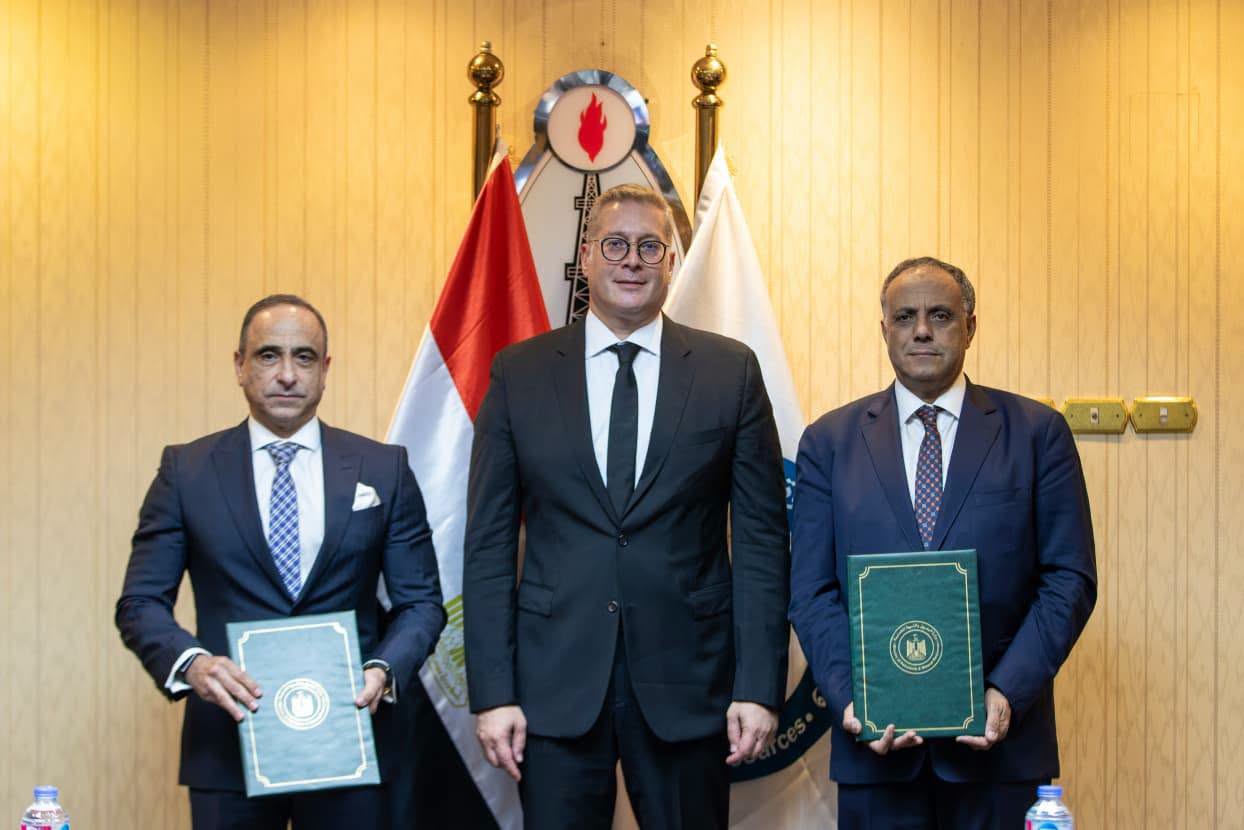
Egypt has formally entered into an agreement with Halliburton, a prominent global energy services company, to develop a comprehensive plan for a significant drilling initiative. This collaboration, formalized on Thursday, November 12, 2026, centers on the preparation of an ambitious program to drill 50 new oil wells. The entire "Egypt Halliburton 50-well drilling program" is slated for execution over an 18-month timeframe, indicating a focused and accelerated effort to expand the nation's energy capabilities.
This substantial "Halliburton drilling agreement Egypt" outlines the specific methodologies to be employed in extracting hydrocarbons. The program will leverage advanced techniques, including both horizontal drilling and multi-stage hydraulic fracturing. These specialized approaches are critical for accessing and developing complex geological formations that are not readily accessible through conventional vertical drilling methods. The agreement underscores a strategic move by Egypt to enhance its domestic energy supply.
Strategic Energy Goals
The primary motivation behind this extensive drilling program is Egypt's overarching objective to tap into its "Egypt unconventional oil resources." By deploying sophisticated extraction technologies, the nation aims to unlock previously inaccessible hydrocarbon reserves, which are vital for its long-term energy security. This initiative represents a concerted effort to diversify and strengthen the country's energy portfolio.
Furthermore, a key strategic outcome anticipated from this partnership is a substantial "Egypt oil production boost." Increasing domestic output is crucial for reducing reliance on energy imports and stabilizing the national economy. The 50-well program is therefore not merely an operational undertaking but a fundamental component of Egypt's broader strategy to achieve greater energy independence and meet growing internal demand.
Advanced Extraction Techniques
The selection of horizontal drilling and "multi-stage hydraulic fracturing" as the core techniques for this program highlights the challenging nature of the targeted reserves. Horizontal drilling allows for greater contact with hydrocarbon-bearing rock layers, significantly increasing the potential for recovery from a single well. This method is particularly effective in tight formations where oil and gas are trapped in less permeable rock.
Complementing horizontal drilling, multi-stage hydraulic fracturing involves injecting fluid at high pressure to create small fractures in the rock, allowing oil and gas to flow more freely. This combination is essential for economically viable extraction from "Egypt unconventional oil resources." The deployment of such advanced methods necessitates careful planning and execution, given their technical complexity and the specific operational requirements they entail.
Regulatory and Environmental Considerations
The implementation of a large-scale drilling program utilizing techniques like multi-stage hydraulic fracturing will inevitably draw significant attention to "hydraulic fracturing Egypt regulations." Energy sector lawyers and compliance officers should anticipate a heightened focus on environmental impact assessments and permitting processes. The nature of these advanced extraction methods often involves considerations related to water usage, wastewater management, and potential seismic activity, which can lead to increased regulatory scrutiny.
As Egypt moves forward with this ambitious plan, the regulatory framework surrounding unconventional oil and gas extraction is likely to evolve. Ensuring strict adherence to existing environmental standards and preparing for potential new guidelines will be paramount for all stakeholders involved in the "Egypt Halliburton 50-well drilling program." Proactive engagement with regulatory bodies and robust environmental compliance strategies will be critical for the successful and sustainable execution of this major energy initiative.
Practical Implications
Lawyers and compliance officers in Egypt's energy sector should anticipate increased regulatory activity and potential environmental compliance challenges related to unconventional oil and gas extraction, particularly concerning permitting and oversight for hydraulic fracturing operations, following this significant agreement between Egypt and Halliburton.
Source
How does this affect you?
Get an AI analysis of this article grounded in your jurisdictions, practice areas, and any policy documents you've uploaded to Wansom.
Finish Reading the Full Story and the Expert Analysis.
Get the latest legal & regulatory intelligence in Egypt
Wansom is AI and can make mistakes.