
Egypt Cabinet: Approves World Bank Second Phase Development Financing
Summary
- Egypt's cabinet approved the second phase of a World Bank development policy financing program.
- The decision was made under Prime Minister Mostafa Madbouly in the New Administrative Capital.
- This program provides budget support from the International Bank for Reconstruction and Development.
- The cabinet also approved a series of decisions on coastal management, public contracts, and education.
- These approvals suggest potential legislative and regulatory reforms across several key sectors in Egypt.
Cabinet Approves Key Financing Phase
The combined effect of these policy approvals, especially when linked to the conditions of the World Bank's development policy financing, underscores a period of active legislative and regulatory evolution within the country, demanding vigilance from all stakeholders.
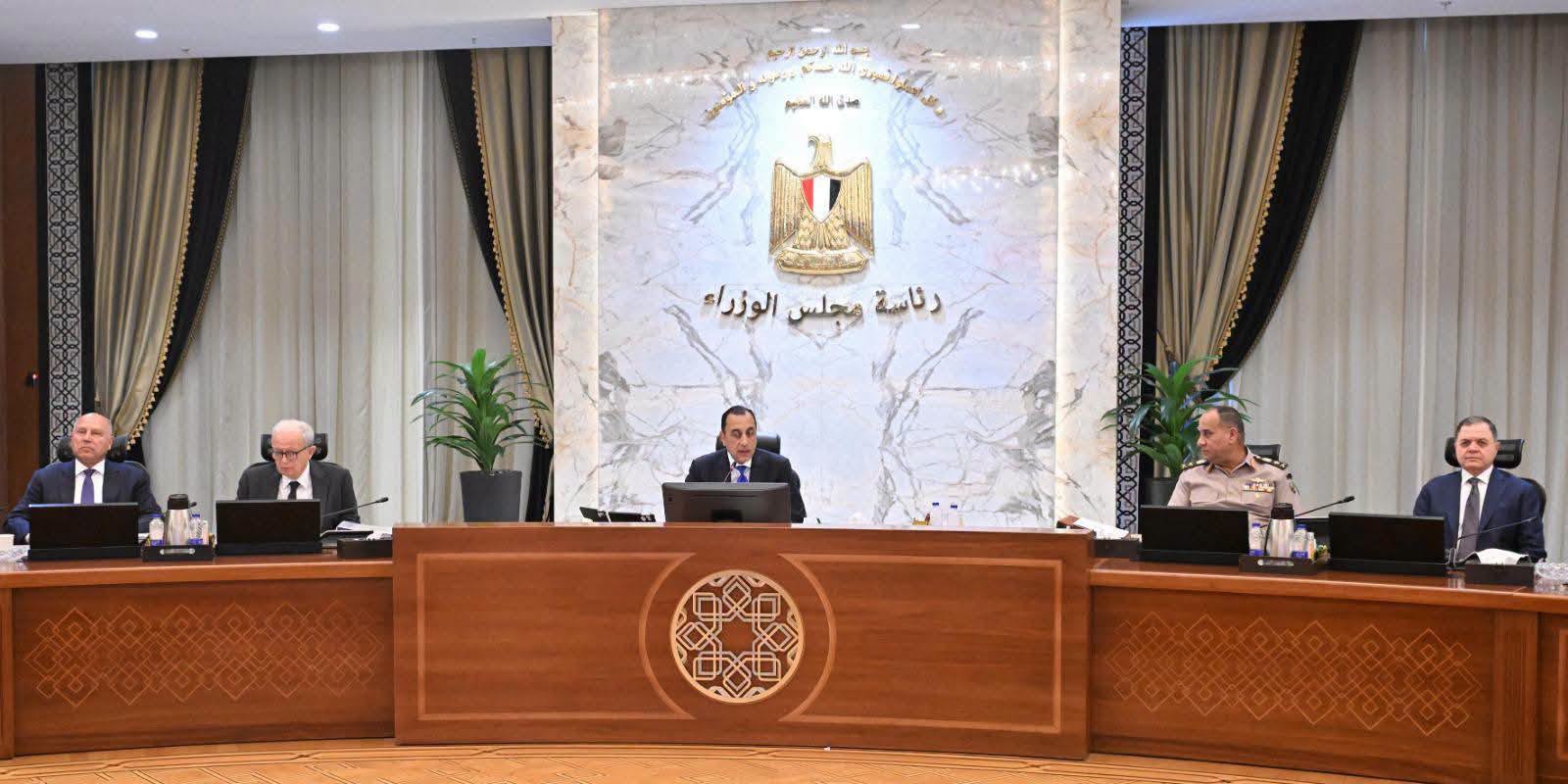
The Egyptian cabinet, under the leadership of Prime Minister Mostafa Madbouly, recently gave its approval to a draft presidential decree concerning the second phase of a significant development policy financing program from the World Bank. This crucial decision was made during a cabinet meeting held at the government’s headquarters located in the New Administrative Capital. The approval marks a pivotal step in securing continued financial support for Egypt’s ongoing reform efforts.
This specific financing initiative represents the continuation of a broader partnership between Egypt and the International Bank for Reconstruction and Development, commonly known as the World Bank. The program is designed to provide budget support, aiding the nation in implementing various policy reforms. The cabinet's endorsement of this draft decree paves the way for the formalization of the agreement, reinforcing the commitment to the program's objectives.
Details of the World Bank Program
The approved measure specifically pertains to the second phase of the World Bank's development policy financing program, which is structured to offer direct budget support to the Egyptian government. Such financing mechanisms are typically tied to a country's commitment to implementing a set of agreed-upon policy and institutional reforms across various sectors, aiming to foster economic growth, improve governance, and enhance social welfare. The continuation into a second phase indicates progress and ongoing collaboration on these reform agendas, suggesting that the initial phase's objectives were met or are on track.
This type of arrangement, where the International Bank for Reconstruction and Development provides direct financial assistance, is instrumental for countries like Egypt in managing their fiscal needs while simultaneously pursuing structural adjustments. The "Egypt World Bank budget support" is not merely a transfer of funds but is intrinsically linked to the achievement of specific policy milestones, ensuring that the financial aid contributes to sustainable development and economic stability. The program's design emphasizes policy dialogue and technical assistance, making it a comprehensive partnership rather than just a financial transaction.
Broader Policy Decisions and Legal Implications
Beyond the significant World Bank budget support approval, the cabinet meeting also addressed a range of other critical national issues. A series of decisions were made concerning coastal management, public contracts, and the education sector. These concurrent approvals highlight a comprehensive approach by the Egyptian government to tackle diverse challenges and implement reforms across multiple strategic areas, indicating a broad agenda for national development and modernization.
The decisions regarding public contracts, in particular, could signal forthcoming legislative or regulatory changes that will shape how government tenders and agreements are structured and executed. For legal professionals and businesses operating in Egypt, monitoring developments related to "Egypt public contracts legislation" will be essential. Any new decrees or executive regulations stemming from these cabinet decisions could impact procurement processes, contractual obligations, and compliance requirements for both domestic and international entities seeking to engage with the public sector.
Similarly, the decisions on coastal management suggest potential shifts in environmental regulations and land use policies, which could have significant implications for real estate development, tourism, and infrastructure projects along Egypt's coastlines. Investors and developers in these sectors will need to pay close attention to any new guidelines or restrictions. The combined effect of these policy approvals, especially when linked to the conditions of the World Bank's development policy financing, underscores a period of active legislative and regulatory evolution within the country, demanding vigilance from all stakeholders.
Practical Implications
The approval of the World Bank budget support program, alongside decisions on coastal management and public contracts, signals potential legislative or regulatory reforms in Egypt. Lawyers advising clients on public procurement, environmental compliance, or investment in these sectors should monitor upcoming decrees or executive regulations that may arise from these policy changes and financing conditions.
Source
How does this affect you?
Get an AI analysis of this article grounded in your jurisdictions, practice areas, and any policy documents you've uploaded to Wansom.
Finish Reading the Full Story and the Expert Analysis.
Get the latest legal & regulatory intelligence in Egypt
Wansom is AI and can make mistakes.