
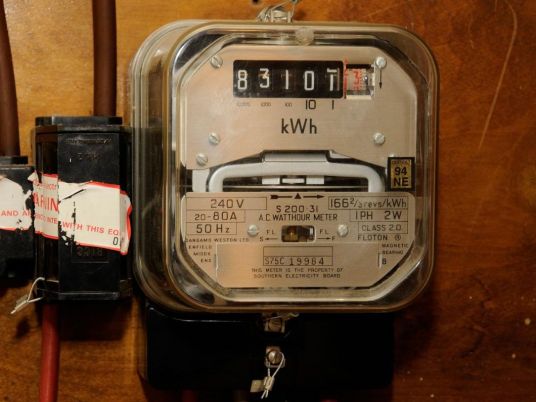
Egypt Electricity Ministry: Faulty Meter Replacement Within 72 Hours
Summary
- The Egyptian Ministry of Electricity and Renewable Energy recently mandated the replacement of faulty electricity meters for citizens within a maximum of 72 hours.
- Direct instructions were issued to all distribution companies nationwide to implement this expedited service standard.
- The ministry also announced the standardization of connection fees across all electricity distribution companies in Egypt.
- Customers now have a formal option to pay outstanding balances and accumulated arrears on their electricity accounts.
What Happened
This new policy mandates that any faulty electricity meter must be replaced within a strict maximum timeframe of 72 hours from the time the issue is reported.
The Egyptian Ministry of Electricity and Renewable Energy recently issued a significant directive aimed at enhancing consumer service and streamlining utility operations. On Sunday, the ministry confirmed that explicit instructions have been disseminated to ensure the prompt replacement of malfunctioning electricity meters for citizens. This new policy mandates that any faulty electricity meter must be replaced within a strict maximum timeframe of 72 hours from the time the issue is reported. This measure underscores a commitment to improving the reliability and efficiency of electricity supply across the nation.
In addition to the expedited meter replacement policy, the Ministry of Electricity also announced a crucial standardization of connection fees. This initiative applies uniformly across all electricity distribution companies operating throughout Egypt, ensuring consistency and transparency in charges for new connections or service modifications. This move is designed to eliminate discrepancies and provide a clear, predictable cost structure for consumers nationwide.
Furthermore, the ministry introduced a flexible payment option for customers with outstanding balances or arrears on their electricity accounts. This provision allows individuals to settle their overdue payments, facilitating better financial management for consumers and potentially reducing the burden of accumulated debt. These combined announcements signal a concerted effort by the Egyptian Ministry of Electricity to address key consumer concerns regarding service quality, cost transparency, and payment flexibility.
Legal Context
The recent directives from the Egyptian Ministry of Electricity and Renewable Energy establish a new benchmark for utility service provision and consumer protection. The explicit instruction for an Egypt Electricity Ministry faulty meter replacement within 72 hours transforms what might have been an informal service expectation into a formal, binding standard. This policy provides a clear legal basis for consumers to demand timely repairs and replacements, significantly bolstering Egypt utility consumer rights. Distribution companies are now legally obligated to adhere to this strict timeline, and non-compliance could lead to regulatory scrutiny or consumer complaints.
The standardization of connection fees across all distribution companies nationwide represents a pivotal regulatory development. Historically, variations in these fees could lead to confusion and perceived unfairness among consumers depending on their geographic location or specific service provider. By mandating a uniform fee structure, the ministry aims to foster greater equity and transparency in the electricity sector. This move simplifies the regulatory landscape for both consumers and businesses, ensuring that all parties operate under a consistent set of financial rules for new electricity connections.
Moreover, the introduction of a structured option for customers to pay outstanding balances and Egypt electricity arrears payment reflects a pragmatic approach to debt management within the utility sector. This policy acknowledges the financial challenges some consumers may face while simultaneously ensuring the financial stability of electricity providers. It provides a formal mechanism for resolving overdue accounts, potentially reducing the incidence of service disconnections and offering a pathway for consumers to regularize their financial standing with their electricity providers. This comprehensive approach to service, fees, and payments underscores a robust regulatory framework.
Why It Matters
These recent pronouncements by the Egyptian Ministry of Electricity carry substantial implications for both individual citizens and the broader utility sector. The implementation of an Egypt power meter 72-hour replacement policy is a direct response to a common source of frustration for consumers: prolonged periods without electricity due to faulty metering equipment. By setting a clear and ambitious service standard, the ministry aims to significantly enhance customer satisfaction and ensure a more reliable power supply across the country. This commitment to rapid resolution of technical issues is a critical step towards modernizing Egypt's electricity infrastructure and service delivery.
The standardization of Egypt electricity connection fees is equally impactful, fostering an environment of fairness and predictability. This measure eliminates potential regional disparities or arbitrary pricing, ensuring that all citizens and businesses face the same transparent costs when establishing or modifying their electricity services. Such uniformity is crucial for promoting economic development and ensuring equitable access to essential utilities. It also simplifies compliance for distribution companies, as they now operate under a unified pricing scheme rather than managing disparate fee structures.
Collectively, these directives signify a proactive stance by the Egyptian Ministry of Electricity and Renewable Energy to improve governance and service quality within the energy sector. They empower consumers with clearer rights and expectations regarding service delivery and cost, while simultaneously imposing stricter accountability on distribution companies. The ability for customers to manage Egypt electricity arrears payment through a formal option further demonstrates a commitment to a consumer-centric approach, balancing the needs of the utility providers with the financial realities of their customer base. This comprehensive reform package is poised to create a more efficient, transparent, and user-friendly electricity service environment for all.
Practical Implications
This directive establishes a clear service standard for electricity meter replacement and standardizes connection fees. Lawyers can advise clients on their rights regarding electricity service, challenge non-compliance with the 72-hour replacement policy, or dispute non-standardized connection fees. Compliance officers for businesses operating in Egypt should be aware of these new regulations to ensure their own utility services comply and to understand consumer expectations.
Source
How does this affect you?
Get an AI analysis of this article grounded in your jurisdictions, practice areas, and any policy documents you've uploaded to Wansom.
Finish Reading the Full Story and the Expert Analysis.
Wansom is AI and can make mistakes.