
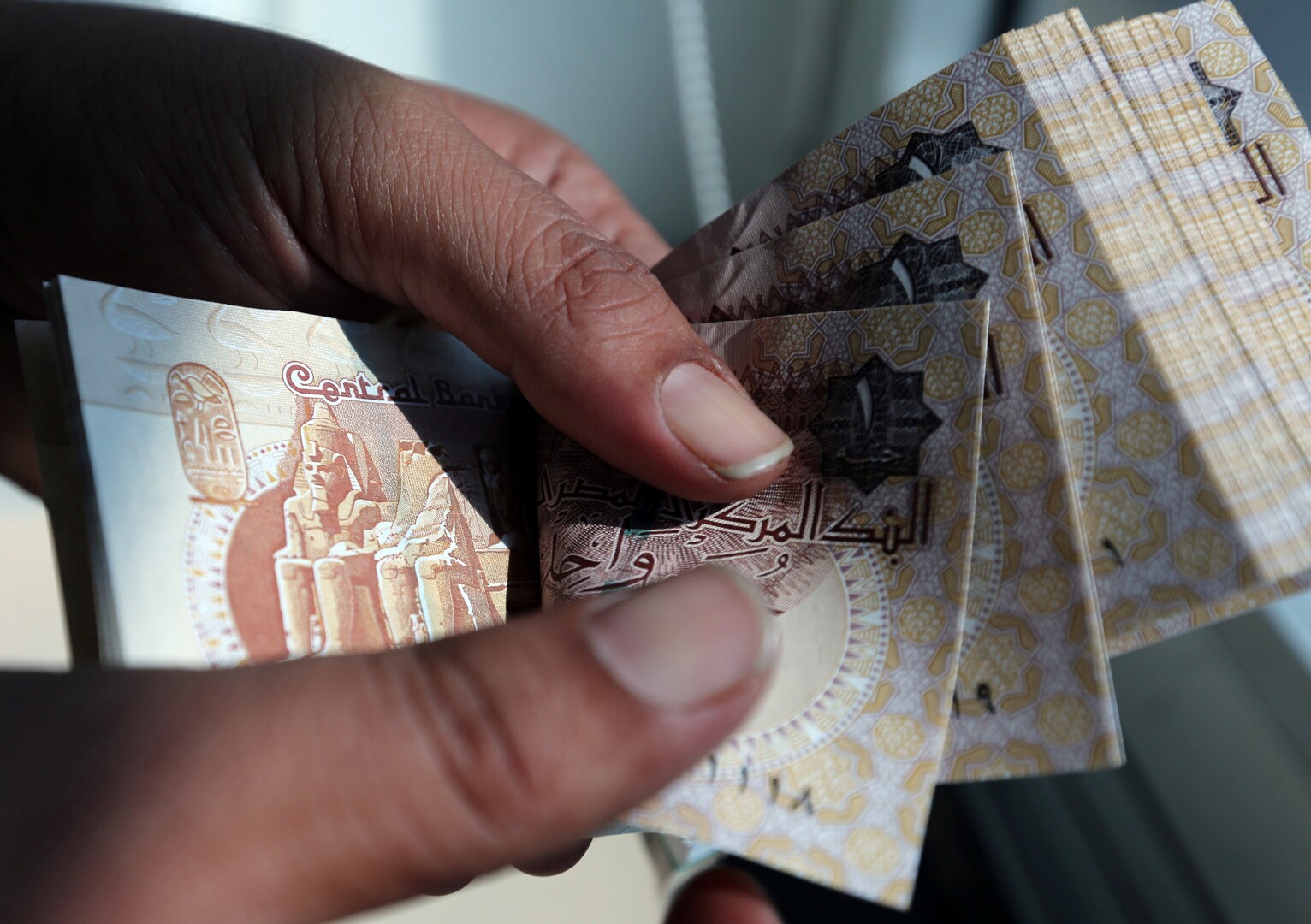
Central Bank of Egypt: Domestic Liquidity Down 0.3% in June 2026
Summary
- The Central Bank of Egypt reported a decline in domestic liquidity to EGP 15.261trn in June 2026, down from EGP 15.330trn in May.
- Money supply decreased to EGP 4.492trn in June, compared to EGP 4.502trn in May.
- Currency in circulation outside the banks has been steadily increasing.
What Happened
The CBE's data release is significant not only for its implications on monetary policy but also for its relevance to the broader regulatory framework governing Egypt's banking sector.
The Central Bank of Egypt (CBE) released data showing a decline in domestic liquidity and money supply in the country's banking sector. Specifically, domestic liquidity stood at EGP 15.261trn in June 2026, down from EGP 15.330trn in May. This decrease is part of a larger trend observed over the first half of 2026, with the money supply declining to EGP 4.492trn in June compared to EGP 4.502trn in May. The data also highlights a notable aspect of Egypt's banking sector: currency in circulation outside the banks has been steadily increasing.
Legal and Regulatory Context
The CBE's data release is significant not only for its implications on monetary policy but also for its relevance to the broader regulatory framework governing Egypt's banking sector. The Central Bank of Egypt plays a crucial role in maintaining financial stability, and its decisions have far-reaching consequences for lenders and borrowers alike. As such, lawyers and compliance officers should be aware of potential changes in interest rates and lending practices that may arise from this data release.
Why It Matters
The decline in domestic liquidity and money supply has significant implications for Egypt's banking sector, particularly with regards to monetary policy. As the CBE continues to monitor and adjust its policies, lenders and borrowers should be prepared for potential changes in interest rates and lending practices. This development underscores the importance of staying informed about regulatory developments and their impact on financial markets.
Practical Implications
Lawyers and compliance officers should watch for potential implications on monetary policy and interest rates, which may impact lending and borrowing in Egypt's banking sector.
Source
How does this affect you?
Get an AI analysis of this article grounded in your jurisdictions, practice areas, and any policy documents you've uploaded to Wansom.
Wansom is AI and can make mistakes.