
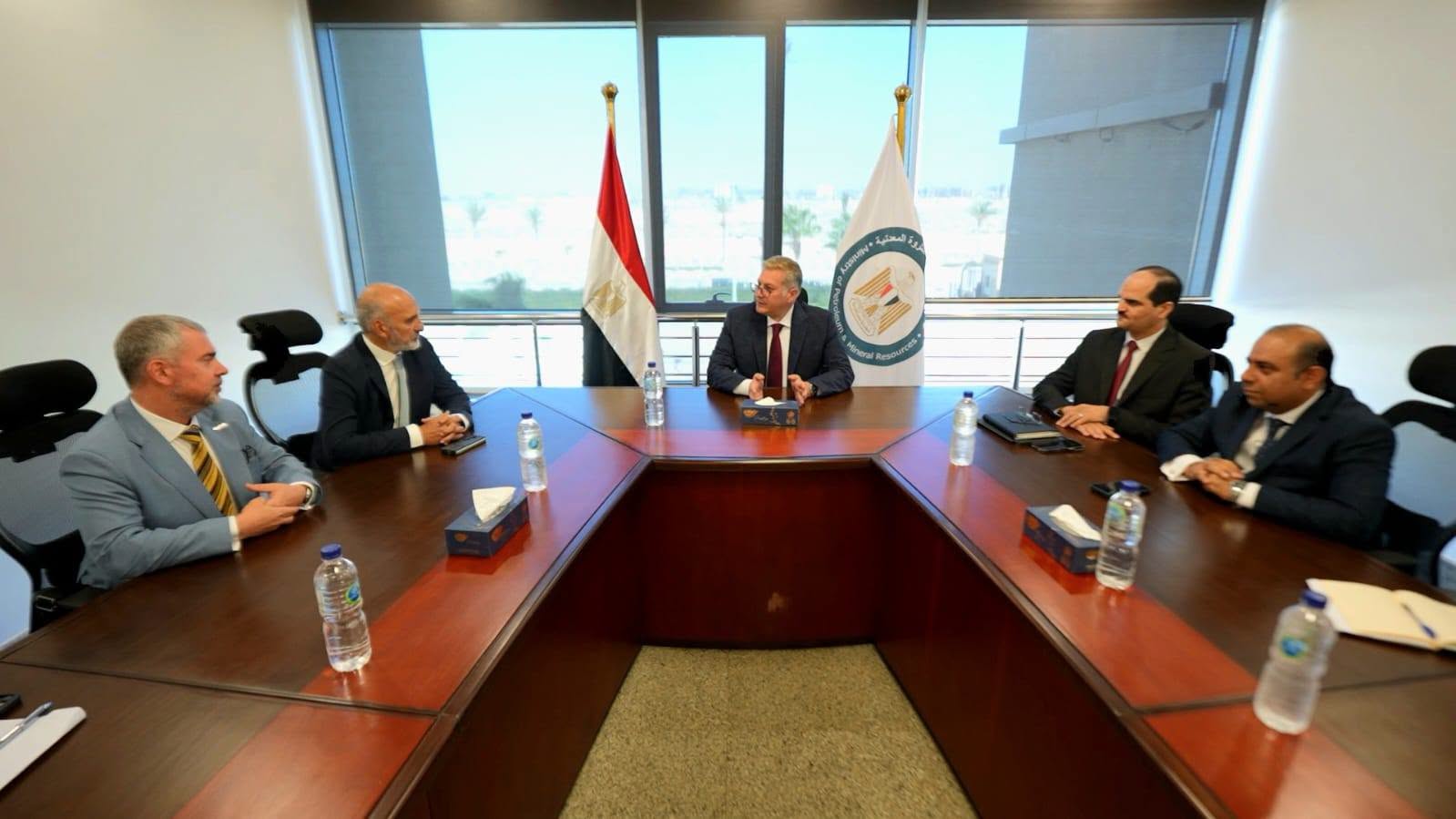
Egypt Petroleum Ministry: ExxonMobil Activates Cyprus Gas Export MoU
Summary
- Egypt, ExxonMobil, and QatarEnergy have begun implementing a memorandum of understanding (MoU) for exporting natural gas from Cyprus.
- The activation of the agreement would mark a significant step forward for Egypt's energy sector, increasing exports and diversifying revenue streams.
- ExxonMobil will need to ensure compliance with Egyptian laws and regulations, including environmental protection and labor standards.
Egypt and ExxonMobil Discuss Activating Gas Export Agreement
The activation of the MoU would likely involve a range of regulatory and compliance issues for ExxonMobil.
The Egyptian petroleum ministry has confirmed that the country, along with QatarEnergy, has begun implementing a memorandum of understanding (MoU) with US-based oil giant ExxonMobil for exporting natural gas from Cyprus. The MoU, which was signed earlier this year in May 2026, outlines a framework for transporting gas from ExxonMobil's offshore discoveries in Cyprus through Egypt's liquefaction infrastructure and onto global markets.
The activation of the agreement would mark a significant step forward for Egypt's energy sector, which has been seeking to increase its exports and diversify its revenue streams. The country's petroleum ministry has been actively promoting the development of its gas resources, including the construction of new liquefaction facilities and pipelines.
Relevant Legal/Regulatory Context
The activation of the MoU would likely involve a range of regulatory and compliance issues for ExxonMobil. The company will need to ensure that it is in compliance with all relevant Egyptian laws and regulations, including those related to environmental protection and labor standards. Additionally, the agreement may also be subject to review by Egypt's antitrust authority, which has been increasingly active in enforcing competition law in recent years, with significant amendments to the competition law approved by Parliament in April 2026.
The MoU itself is a non-binding agreement between Egypt and ExxonMobil, outlining the terms of their cooperation on gas exports. However, its activation would likely involve a range of binding contracts and agreements between the parties, including those related to transportation, storage, and marketing of the gas.
Why It Matters
The activation of the MoU has significant implications for Egypt's energy landscape and for future gas export agreements. As one of the largest oil and gas producers in Africa, Egypt is seeking to increase its exports and diversify its revenue streams. The agreement with ExxonMobil represents a major opportunity for the country to achieve these goals, while also promoting economic development and job creation.
Lawyers should be paying close attention to this development, as it has significant implications for future gas export agreements and regulatory requirements in Egypt. The activation of the MoU may also set a precedent for other companies seeking to export gas from Cyprus through Egyptian infrastructure.
Practical Implications
Lawyers should watch for potential changes in Egypt's energy landscape and implications for future gas export agreements, as well as any new regulatory requirements or compliance exposures arising from the activation of this MoU.
Source
How does this affect you?
Get an AI analysis of this article grounded in your jurisdictions, practice areas, and any policy documents you've uploaded to Wansom.
Wansom is AI and can make mistakes.