
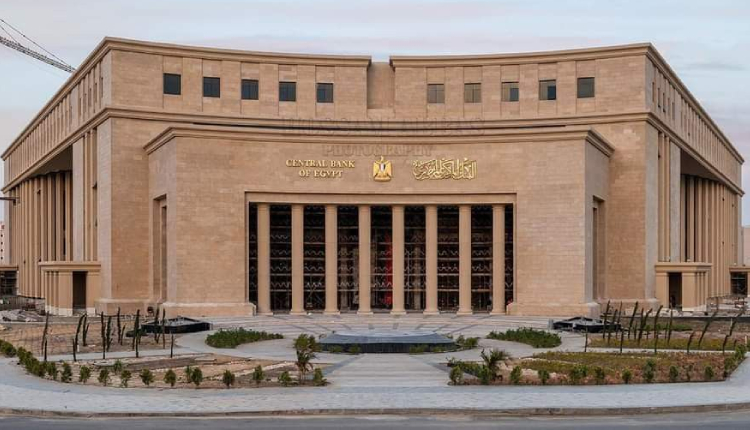
CBE: Egypt Central Bank Credit Guarantee Capital Set at EGP 50 Million
Summary
- Egypt's central bank has issued new licensing and supervisory rules for credit guarantee companies.
- These new regulations mandate a minimum issued and paid-up capital of 50 million Egyptian pounds for such firms.
- The EGP 50 million capital requirement is equivalent to approximately $967,038.
- The Central Bank of Egypt aims to strengthen financial stability and risk management within the credit guarantee sector through these rules.
New Capital Requirements Unveiled
A cornerstone of these new regulations is the imposition of a stringent minimum capital requirement, mandating that all credit guarantee firms maintain an issued and paid-up capital of at least 50 million Egyptian pounds.
The Central Bank of Egypt (CBE) has recently introduced a comprehensive set of new licensing and supervisory regulations specifically targeting credit guarantee companies operating within the nation's financial landscape. These updated directives are poised to significantly reshape the operational framework for these entities, emphasizing a more robust and secure financial environment. A cornerstone of these new regulations is the imposition of a stringent minimum capital requirement, mandating that all credit guarantee firms maintain an issued and paid-up capital of at least 50 million Egyptian pounds.
This substantial financial threshold, equivalent to approximately $967,038 at the time of the announcement, marks a pivotal shift in how these specialized financial institutions are expected to capitalize their operations. The introduction of these rules underscores the CBE's proactive stance in enhancing the stability and resilience of the broader financial sector.
Bolstering Financial Stability and Risk Management
The rationale behind the Central Bank of Egypt's decision to implement these elevated capital standards is rooted in a strategic imperative to strengthen overall financial stability and improve risk management practices across the credit guarantee sector. By requiring a higher capital base, the CBE aims to ensure that credit guarantee firms possess adequate financial buffers to absorb potential losses and meet their obligations, thereby mitigating systemic risks.
This move aligns with broader objectives within Egypt's banking sector regulation, where supervisory bodies are increasingly focused on fortifying the foundational strength of financial intermediaries. The new Egypt central bank credit guarantee capital requirements are designed not merely as a compliance hurdle but as a fundamental mechanism to foster a more secure and trustworthy financial ecosystem, protecting both the firms themselves and the wider economy from undue financial shocks.
Immediate Implications for Credit Guarantee Firms
For existing and prospective EGP 50 million credit guarantee firms, these new CBE credit guarantee minimum capital rules necessitate an immediate and thorough assessment of their current financial standing. Entities that do not meet the newly stipulated capital threshold will be compelled to undertake significant strategic decisions, which may include capital injections, operational restructuring, or even considering mergers or acquisitions to achieve compliance. The updated Egypt credit guarantee licensing rules establish a clear benchmark for market participation, ensuring that only adequately capitalized firms can operate, thereby enhancing the credibility and reliability of the sector.
Legal counsel advising these entities now face the critical task of reviewing the comprehensive new licensing and supervisory framework. Their guidance will be instrumental in helping clients navigate the complexities of these regulations, ensuring they understand the full scope of potential adjustments needed to meet the new standards and maintain their operational licenses within the Egyptian market. This proactive legal engagement is crucial for ensuring continued adherence and avoiding potential regulatory penalties.
Practical Implications
Credit guarantee firms in Egypt must immediately assess their capital adequacy against the new CBE requirements to ensure compliance. Legal counsel advising these entities should review the updated licensing and supervisory framework to guide clients on potential restructuring, capital injection, or operational adjustments needed to meet the new standards.
Source
How does this affect you?
Get an AI analysis of this article grounded in your jurisdictions, practice areas, and any policy documents you've uploaded to Wansom.
Finish Reading the Full Story and the Expert Analysis.
Get the latest legal & regulatory intelligence in Egypt
Wansom is AI and can make mistakes.