
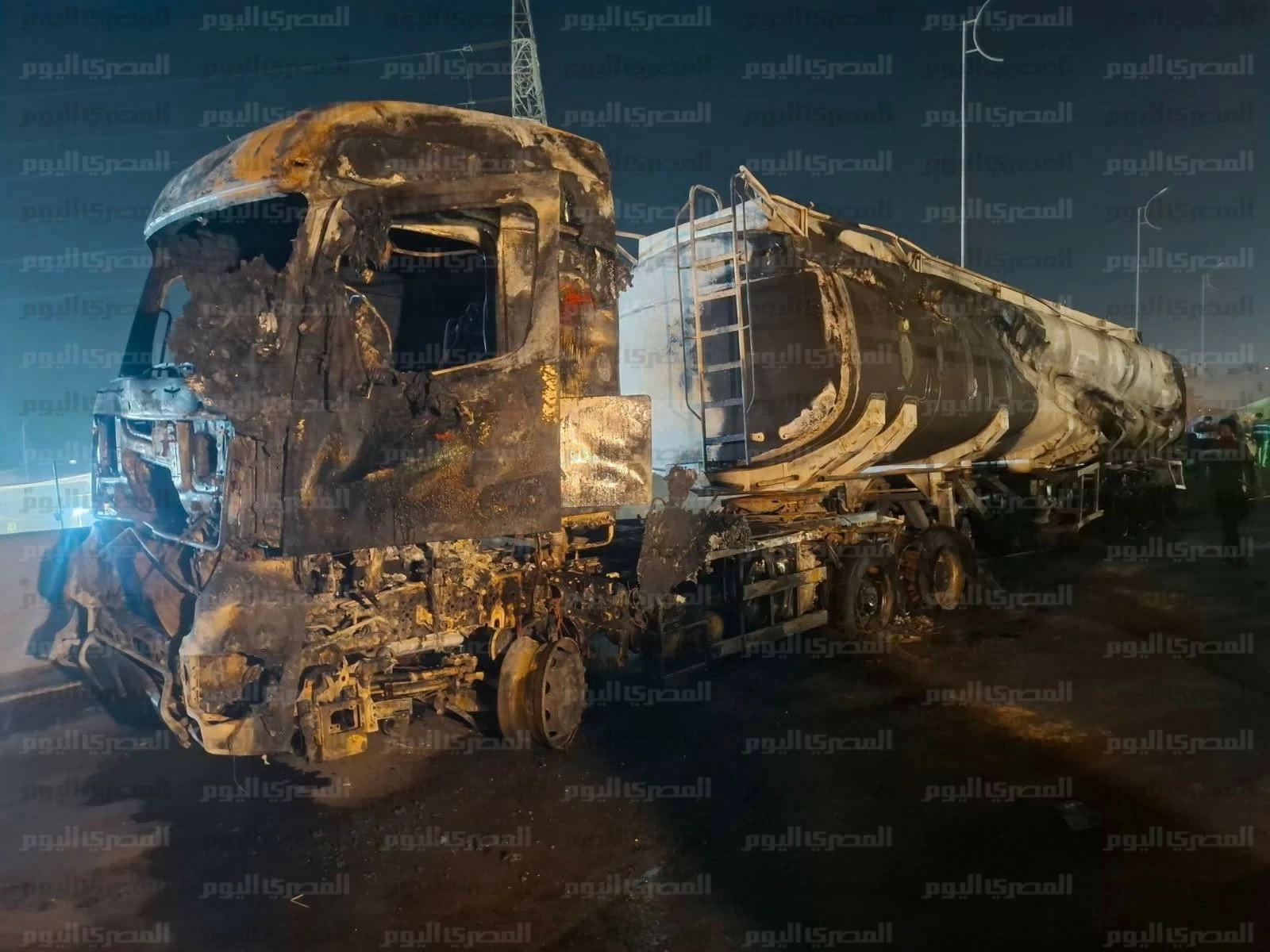
EG Public Prosecution: Driver Arrested in Deadly Giza Blaze
Egyptian authorities, through the Public Prosecution, have arrested the driver responsible for a catastrophic fuel tanker crash and fire on the Ring Road in Giza’s Al-Warraq district, an incident that tragically resulted in 31 fatalities, as announced by the Ministry of Health and Population late Wednesday. This swift apprehension by the Public Prosecution underscores the serious legal ramifications for individuals whose actions lead to such devastating public safety incidents in Egypt. The incident involved a fuel tanker, and the resulting blaze caused widespread destruction and loss of life, prompting immediate and decisive action from state authorities to identify and detain the individual deemed responsible.
This development carries significant legal implications for practitioners, businesses, and the public alike. For the legal community, it highlights the Public Prosecution's proactive and robust approach to investigating and prosecuting cases involving gross negligence or recklessness that result in mass casualties. For businesses, particularly those operating in the transportation sector, especially with hazardous materials like fuel, this incident serves as a stark reminder of the critical importance of stringent safety protocols, comprehensive driver training, and strict adherence to all relevant traffic and environmental regulations. The potential for criminal liability, alongside substantial civil claims, necessitates a thorough review of operational procedures to mitigate such risks and ensure public safety.
The legal context for such a case in Egypt primarily involves the Penal Code (Law No. 58 of 1937, as amended), specifically provisions related to involuntary manslaughter or causing death by negligence (e.g., Article 238), which can carry severe penalties depending on the degree of fault and the number of victims. Additionally, the Traffic Law (Law No. 66 of 1973, as amended) would be highly relevant, as violations of traffic regulations could form the basis for establishing criminal negligence. The Public Prosecution, as the primary investigative and prosecuting authority, is responsible for gathering evidence, conducting interrogations, and ultimately referring the case to the appropriate criminal court within the Egyptian judicial hierarchy, which would likely be a felony court given the high number of fatalities.
Key parties involved in this matter include the Public Prosecution, which initiated the arrest and will lead the criminal investigation; the broader Egyptian authorities, including law enforcement, who assisted in the apprehension; the Ministry of Health and Population, which provided official updates on the tragic death toll; and, most critically, the apprehended driver, who will face charges related to the incident. The victims and their families also represent a crucial party, as they may pursue civil compensation in parallel with or subsequent to the criminal proceedings. Attorneys advising transportation companies or individuals involved in similar high-risk operations should closely monitor the Public Prosecution's investigation and any subsequent court proceedings. This includes understanding the specific charges brought, the evidence presented, and the judicial interpretation of negligence and liability in such catastrophic events, as these could influence future regulatory enforcement and civil litigation strategies. The specific outcome of this matter, including the charges filed and any convictions, is not yet reported in the excerpt.
How does this affect you?
Get an AI analysis of this article grounded in your jurisdictions, practice areas, and any policy documents you've uploaded to Wansom.
Finish Reading the Full Story and the Expert Analysis.
Get the latest legal & regulatory intelligence in Egypt
Wansom is AI and can make mistakes.