
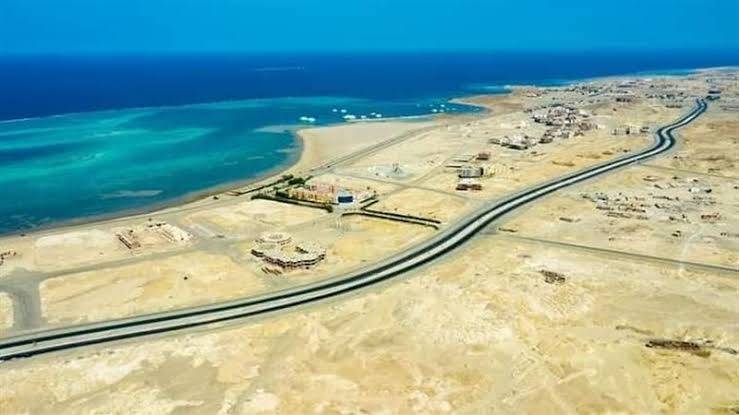
Egypt Finance Ministry: Red Sea Land Allocation for Investment
Summary
- Egypt's Finance Ministry has been allocated 112 million square meters of state-owned land in the Red Sea governorate.
- This land is designated specifically for investment purposes.
- Economist Fakhri al-Fiqi clarified that this allocation does not involve selling the land or transferring its ownership.
- The move is intended to help reduce Egypt's public debt.
- Fiqi's explanation was provided during a phone interview on the “Modern MTI” television channel.
Significant Land Allocation in Red Sea Governorate
Fakhri al-Fiqi emphasized that this allocation does not involve the sale of the land, nor does it entail a transfer of its underlying ownership.
The Egyptian Finance Ministry has been designated control over a substantial tract of state-owned land within the Red Sea governorate, totaling 112 million square meters. This significant allocation is specifically earmarked for investment purposes, signaling a strategic move by the government to leverage its assets for economic development. The decision underscores a broader initiative to utilize national resources to attract capital and foster growth in key regions, particularly along Egypt's valuable Red Sea coastline.
Economist Fakhri al-Fiqi provided insights into this development, clarifying the nature of the transfer. His commentary, delivered during a phone interview on the “Modern MTI” television channel on Friday, shed light on the specific terms governing the land's use. This move by the Finance Ministry represents a notable step in Egypt's ongoing efforts to manage its state-owned properties effectively and strategically.
Clarifying Ownership and Investment Terms
A critical aspect of the Finance Ministry's new authority over the 112 million square meters of land in the Red Sea governorate is the explicit clarification regarding its ownership status. Fakhri al-Fiqi emphasized that this allocation does not involve the sale of the land, nor does it entail a transfer of its underlying ownership. This fundamental distinction means that while the land is designated for investment, it will remain firmly under state proprietorship, with the Ministry of Finance acting as the designated body for its strategic investment management.
This clarification is paramount for any prospective investors or developers considering projects in the region, as it dictates the legal framework for engagement. Rather than outright acquisition, the framework suggests a model where the land is made available for investment through mechanisms that maintain state proprietorship, such as long-term leases or concession agreements. This approach allows the government to retain control over valuable assets while still facilitating their economic utilization and attracting necessary capital for development.
Strategic Move for Public Debt Reduction
The strategic allocation of state-owned land to the Finance Ministry for investment in the Red Sea governorate is intrinsically linked to Egypt's broader economic objectives, particularly the reduction of its public debt. By channeling these vast land resources towards investment opportunities, the government aims to generate revenue and stimulate economic activity without divesting core national assets. This method allows for the creation of new income streams that can contribute significantly to fiscal stability and alleviate financial pressures.
Fakhri al-Fiqi's explanation highlighted how such initiatives form a part of the nation's comprehensive strategy to bolster its financial position. The utilization of state-owned land for investment, rather than direct sale, provides a sustainable pathway to economic growth and debt management. This approach reflects a deliberate policy choice to maximize the long-term value of national assets while addressing immediate financial challenges and fostering sustainable development across the country.
Practical Implications
Lawyers advising clients on potential investments or development projects in Egypt's Red Sea governorate should note that the Finance Ministry's allocation of state-owned land for investment purposes does not entail a sale or transfer of ownership. This distinction is crucial for structuring agreements, conducting due diligence, and understanding the nature of state involvement in such ventures, as it implies a leasehold or concession model rather than outright acquisition for investors.
Source
How does this affect you?
Get an AI analysis of this article grounded in your jurisdictions, practice areas, and any policy documents you've uploaded to Wansom.
Finish Reading the Full Story and the Expert Analysis.
Get the latest legal & regulatory intelligence in Egypt
Wansom is AI and can make mistakes.