
EFCC Warns: Illicit Funds Election Nigeria Threaten Integrity
Summary
- The Economic and Financial Crimes Commission (EFCC) has expressed concerns over illicit funds financing Nigerian elections.
- These illicit funds originate from drug trafficking, cybercrime, and stolen public funds.
- The EFCC and the Independent Corrupt Practices and Other Related Offences Commission (ICPC) have pledged to intensify their efforts against this trend.
- The anti-corruption agencies aim to detect, prevent, and prosecute the use of criminal proceeds in political campaigns.
Heightened Scrutiny on Election Funding in Nigeria
The EFCC's explicit warning about illicit funds targeting elections in Nigeria carries significant implications for the country's political landscape and its ongoing battle against corruption.
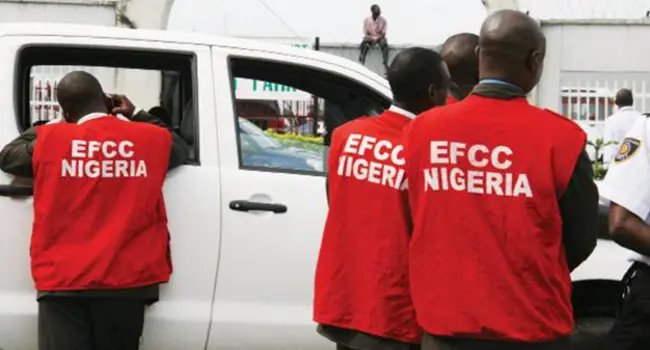
The Economic and Financial Crimes Commission (EFCC) has recently voiced significant apprehension regarding the infiltration of Nigeria's electoral processes by illicit financial streams. This prominent anti-graft agency specifically highlighted the worrying trend of deploying funds derived from illegal activities to bankroll political campaigns and election-related expenditures across the nation. The EFCC's warning underscores a critical challenge to the integrity of democratic exercises, pointing to a sophisticated network attempting to influence outcomes through financial leverage.
This concern is not isolated; it forms part of a broader national effort to safeguard the democratic process from corruption. The EFCC, a key player in Nigeria's anti-corruption landscape, has identified several primary sources for these illicit funds. These include substantial proceeds generated from drug trafficking operations, profits amassed through various cybercrime activities, and significant sums of public money that have been unlawfully diverted or stolen from state coffers. The convergence of these criminal enterprises with political financing poses a severe threat to fair and transparent elections.
In a concerted move to counter this growing menace, the Economic and Financial Crimes Commission has formally committed to enhancing its operational capabilities and investigative reach. This pledge is made in collaboration with another crucial anti-corruption body, the Independent Corrupt Practices and Other Related Offences Commission (ICPC). Both agencies have declared their intention to intensify efforts aimed at detecting, preventing, and prosecuting the use of illicit funds in Nigerian elections, signaling a robust and coordinated response from the country's principal anti-corruption watchdogs.
The Nexus of Illicit Finance and Political Campaigns
The specific mention of drug trafficking, cybercrime, and stolen public funds by the EFCC is particularly telling, as these represent some of the most pervasive and damaging forms of financial crime globally and within Nigeria. Funds originating from drug trafficking often involve complex international money laundering schemes designed to obscure their illegal origins, making them difficult to trace once injected into legitimate systems, including political financing. Similarly, the proceeds of cybercrime, which can range from sophisticated online fraud to ransomware attacks, provide vast sums that criminals seek to legitimize, with election campaigns offering a potential avenue for such laundering.
The diversion and theft of public funds, a perennial challenge in many developing economies, directly undermine public trust and economic stability. When these stolen resources are then channeled into political campaigns, it creates a vicious cycle where corruption begets political influence, which in turn can perpetuate further corruption. This dynamic distorts the electoral playing field, disadvantaging candidates who rely on legitimate funding and potentially leading to the election of individuals beholden to illicit financial interests rather than the public good. The Economic and Financial Crimes Commission Nigeria is acutely aware of how such practices can compromise governance.
The convergence of these illicit financial streams with Nigeria election campaign finance mechanisms presents a formidable challenge for regulatory bodies. It necessitates not only robust investigative capabilities but also proactive intelligence gathering and inter-agency cooperation. The commitment from both the EFCC and ICPC election funding oversight bodies highlights the recognition that a multi-pronged approach is essential to effectively combat money laundering political campaigns Nigeria and ensure that the democratic process remains untainted by criminal proceeds.
Regulatory Bodies Vow Enhanced Enforcement
The joint pledge by the Economic and Financial Crimes Commission and the Independent Corrupt Practices and Other Related Offences Commission to intensify their efforts signifies a critical escalation in the fight against financial malfeasance in Nigerian politics. This commitment, reported from Abuja, suggests a national directive to clamp down on illegal campaign financing. Intensified efforts will likely involve a multi-faceted strategy, including enhanced surveillance of financial transactions related to political activities, deeper investigations into the sources of campaign donations, and more aggressive prosecution of individuals and entities found to be involved in such illicit funding schemes.
This collaborative stance between the two principal anti-corruption agencies is designed to create a more formidable deterrent against those who might consider using criminal proceeds to influence elections. It implies a sharing of intelligence, resources, and expertise, allowing for a more comprehensive and coordinated attack on the problem. The focus will extend beyond just identifying the funds to tracing their origins and holding accountable those who facilitate their deployment, whether they are the perpetrators of the original crimes or the beneficiaries within the political sphere.
The heightened vigilance from these bodies is expected to extend to all levels of political engagement, from primary elections to general polls, ensuring that the entire electoral cycle is subject to rigorous scrutiny. This proactive approach aims to disrupt the flow of dirty money into politics before it can significantly impact election outcomes, thereby strengthening the integrity of Nigeria's democratic institutions. The Nigerian anti-corruption election drive is clearly gaining momentum with this joint declaration.
Implications for Nigerian Elections and Anti-Corruption Efforts
The EFCC's explicit warning about illicit funds targeting elections in Nigeria carries significant implications for the country's political landscape and its ongoing battle against corruption. It signals a period of heightened scrutiny for all stakeholders involved in the electoral process, including political parties, candidates, and financial institutions. The emphasis on proceeds from drug trafficking, cybercrime, and stolen public funds underscores the serious nature of the threat, indicating that criminal elements are actively seeking to subvert democratic principles for their own gain.
For legal professionals advising political entities or financial institutions in Nigeria, this development necessitates a proactive review and strengthening of compliance frameworks. The anticipated increase in enforcement actions by the Economic and Financial Crimes Commission Nigeria and the ICPC means that robust anti-money laundering (AML) protocols and stringent campaign finance compliance measures are no longer merely best practices but essential safeguards. Failure to adhere to these heightened standards could expose individuals and organizations to severe legal and reputational risks.
Ultimately, the concerted efforts of the EFCC and ICPC to combat the influx of illicit funds into elections are crucial for fostering a more transparent and equitable democratic process in Nigeria. By targeting the financial underpinnings of political corruption, these agencies aim to restore public confidence in the electoral system and ensure that the will of the people, rather than the influence of dirty money, determines the nation's leadership. This ongoing fight against the use of drug cybercrime proceeds elections is a cornerstone of good governance.
Practical Implications
Lawyers advising political parties, candidates, or financial institutions in Nigeria should anticipate heightened scrutiny and enforcement actions regarding election financing, necessitating robust anti-money laundering and campaign finance compliance measures.
Source
How does this affect you?
Get an AI analysis of this article grounded in your jurisdictions, practice areas, and any policy documents you've uploaded to Wansom.
Finish Reading the Full Story and the Expert Analysis.
Get the latest legal & regulatory intelligence in Nigeria
Wansom is AI and can make mistakes.