
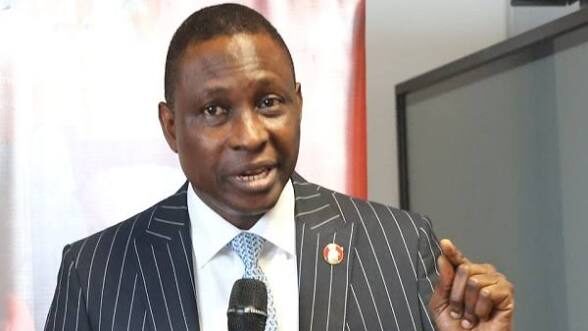
EFCC Urges LGA Chairpersons Accountability: Nigeria Funds Scrutiny Intensifies
Summary
- The EFCC has called on Local Government Area chairpersons to ensure accountability in managing public funds.
- The Commission is committed to transparency at the sub-national level, expecting improved resources to benefit grassroots populations.
- This initiative aims to translate increased financial allocations to local governments into better quality of life for citizens.
- The EFCC's stance signals intensified scrutiny of how funds are utilized by Nigeria's third tier of government.
Renewed Focus on Local Government Accountability
The EFCC's stance signals an intensified focus on how resources allocated to the third tier of government are utilized, emphasizing that these funds must directly benefit the populace.
The Economic and Financial Crimes Commission (EFCC) has issued a direct appeal to Local Government Area (LGA) chairpersons across Nigeria, urging them to prioritize accountability in the management of public funds. This directive underscores the anti-graft agency's firm commitment to fostering transparency and ensuring financial probity at the sub-national level of governance. The EFCC's stance signals an intensified focus on how resources allocated to the third tier of government are utilized, emphasizing that these funds must directly benefit the populace.
The Commission explicitly stated its desire to see the enhanced financial allocations directed to local governments translate into tangible improvements in the quality of life for citizens at the grassroots. This call for EFCC urges LGA chairpersons accountability Nigeria highlights a critical area of concern for national development, as local governments are the closest administrative units to the people and are therefore pivotal for delivering essential services and driving community progress.
By emphasizing this commitment, the EFCC is setting a clear expectation for local government officials. The agency's message is that increased funding to these sub-national entities should not merely represent a flow of resources but must be demonstrably linked to positive outcomes for the communities they serve. This proactive engagement aims to preempt financial mismanagement and ensure that public funds are judiciously applied for their intended purpose.
Mandate and Scrutiny of Sub-National Funds
The EFCC's pronouncement aligns with its broader mandate to combat economic and financial crimes across all levels of government within Nigeria. Its expressed commitment to transparency and accountability at the sub-national level signifies a strategic expansion of its oversight, placing local government funds scrutiny firmly within its investigative purview. This focus is particularly pertinent given the significant financial allocations often channeled to LGAs, which are intended to spur development and provide critical infrastructure and social services.
The agency's insistence on Nigeria sub-national financial transparency reflects a recognition of the vital role local governments play in the national development agenda. Effective management of these funds is paramount for ensuring that public resources are not diverted or misappropriated, thereby safeguarding the integrity of the financial system. The EFCC's proactive engagement serves as a deterrent against corruption and a mechanism for enforcing fiscal discipline among local government officials.
This increased scrutiny means that LGA chairpersons and other officials responsible for managing public funds should expect a higher level of oversight from the EFCC. The Commission is signaling that it will actively monitor the flow and expenditure of resources, ensuring that they are deployed in a manner that genuinely benefits the grassroots population rather than serving personal or illicit interests. This proactive stance is a crucial element in the ongoing fight against corruption and the promotion of good governance.
Impact on Grassroots Development
The ultimate objective behind the EFCC's appeal is to ensure that the financial resources designated for local governments genuinely contribute to grassroots development fund management Nigeria. When funds allocated to the third tier of government are managed transparently and accountably, they have the potential to significantly uplift the quality of life for millions of Nigerians residing in local communities. This includes funding for essential services such as healthcare, education, infrastructure, and local economic initiatives.
Mismanagement or diversion of these funds directly undermines the potential for community growth and perpetuates poverty at the local level. The EFCC's intervention, therefore, is not merely about enforcing financial regulations but about safeguarding the developmental aspirations of the nation's most vulnerable populations. By demanding that improved resources translate into tangible benefits, the Commission is reinforcing the principle that public office is a trust, and public funds are for public good.
This renewed emphasis on accountability at the local government level is a critical step towards fostering sustainable development and building public trust in governance. It sends a clear message that all tiers of government are subject to rigorous oversight, and that the welfare of the grassroots population remains a central concern in the fight against financial malfeasance. The EFCC's commitment aims to ensure that every naira allocated to local governments serves its intended purpose of improving the lives of ordinary Nigerians.
Practical Implications
Lawyers advising local government entities or officials should note the EFCC's stated commitment to increased scrutiny of sub-national financial allocations, indicating a higher risk of investigations into fund management and accountability. Compliance officers should review internal controls related to funds received from or disbursed to LGAs in Nigeria.
Source
How does this affect you?
Get an AI analysis of this article grounded in your jurisdictions, practice areas, and any policy documents you've uploaded to Wansom.
Finish Reading the Full Story and the Expert Analysis.
Get the latest legal & regulatory intelligence in Nigeria
Wansom is AI and can make mistakes.