
EFCC: Recovers ₦1.23T, Dismisses Staff, Prosecutes for Malpractice
Summary
- The Economic and Financial Crimes Commission (EFCC) has recovered over ₦1.23 trillion and $684.48 million from economic and financial crimes.
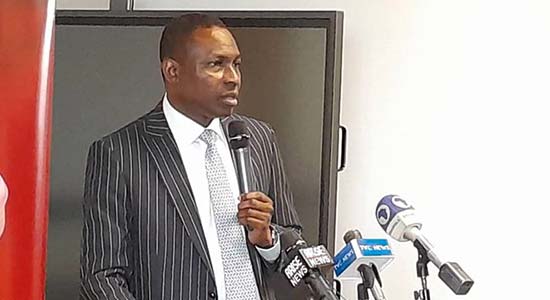
- These substantial recoveries were disclosed by EFCC Chairman Ola Olukoyede during a briefing on Monday.
- Under Olukoyede's leadership, the EFCC has dismissed more than 40 of its personnel for corruption and financial malpractice.
- The dismissed staff members are also facing prosecution for their alleged misconduct.
- These actions highlight the EFCC's dual focus on external enforcement and internal cleansing to combat corruption in Nigeria.
EFCC's Significant Recoveries and Internal Purge
The robust actions taken by the Economic and Financial Crimes Commission under Ola Olukoyede's direction signal a stronger, more credible anti-graft agency.
The Economic and Financial Crimes Commission (EFCC) has recently disclosed substantial financial recoveries, exceeding ₦1.23 trillion and $684.48 million. These significant sums represent proceeds confiscated from various economic and financial crimes, underscoring the agency's ongoing efforts to combat illicit financial activities within Nigeria. The figures were revealed by the EFCC's chairman, Ola Olukoyede, during a briefing held on Monday.
Under Chairman Olukoyede's leadership, the EFCC has also undertaken rigorous internal cleansing measures. More than 40 of its personnel have been dismissed from service due to their involvement in corruption and financial malpractice. This decisive action highlights a commitment to upholding integrity within the anti-graft body itself.
Further demonstrating this resolve, the dismissed staff members are also facing prosecution for the alleged financial misconduct that led to their removal. This dual approach of internal accountability alongside external enforcement signals a robust stance against corruption, both within the agency's ranks and across the broader Nigerian economy.
Strengthening Nigeria's Anti-Corruption Framework
The substantial EFCC recoveries, particularly the more than ₦1.23 trillion in local currency and $684.48 million in foreign currency, are a testament to the Economic and Financial Crimes Commission Nigeria's pivotal role in the nation's fight against financial crime. These figures illustrate the agency's effectiveness in tracing and reclaiming assets derived from illegal activities, reinforcing the legal framework designed to deter and punish economic offenders.
The internal reforms, including the dismissal and prosecution of over 40 staff members for corruption and financial malpractice, are critical for enhancing the credibility and operational integrity of the EFCC. Chairman Ola Olukoyede's initiative to address internal malfeasance directly contributes to strengthening public trust in the institution responsible for combating corruption. This proactive approach ensures that the agency itself adheres to the highest standards of conduct it demands from others.
Such measures are integral to bolstering Nigeria's overall anti-graft stance, signaling that no one, regardless of their position, is above the law. The focus on EFCC internal corruption prosecution sends a clear message about the agency's commitment to self-purification, thereby making its external enforcement efforts more legitimate and impactful.
Heightened Scrutiny and Compliance Imperatives
The significant Nigeria proceeds of crime recovery figures, alongside the rigorous internal disciplinary actions, indicate a period of heightened scrutiny for financial transactions and a more aggressive enforcement environment. The recovery of over ₦1.23 trillion and $684.48 million underscores the tangible risks associated with economic and financial crimes, including the potential for substantial asset forfeiture.
Chairman Ola Olukoyede's leadership has clearly prioritized both external enforcement and internal accountability, with the dismissal and prosecution of over 40 staff members for EFCC staff financial malpractice. This dual focus suggests that the anti-graft agency is becoming more effective and less tolerant of corruption, both within its own ranks and across the nation. This development necessitates a re-evaluation of compliance strategies for individuals and corporations operating in Nigeria.
The robust actions taken by the Economic and Financial Crimes Commission under Ola Olukoyede's direction signal a stronger, more credible anti-graft agency. This environment demands that all stakeholders prioritize robust anti-corruption compliance and be acutely aware of the increased risk of asset forfeiture, as the EFCC continues its aggressive pursuit of illicit funds and corrupt practices.
Practical Implications
Lawyers should advise clients on the heightened risk of asset forfeiture and the importance of robust anti-corruption compliance, as the EFCC's significant recovery figures and internal cleansing measures signal increased enforcement and a more credible anti-graft agency.
Source
How does this affect you?
Get an AI analysis of this article grounded in your jurisdictions, practice areas, and any policy documents you've uploaded to Wansom.
Finish Reading the Full Story and the Expert Analysis.
Wansom is AI and can make mistakes.