
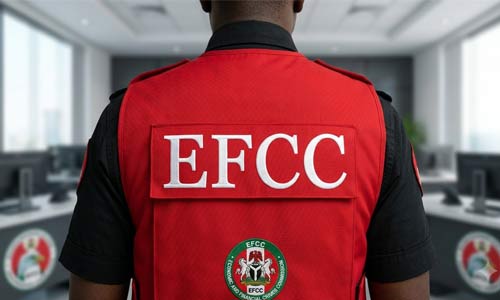
EFCC Probes Obinna Nwaobi: ₦515m Diversion Alleged From DAHUA Paper
Summary
- The EFCC is investigating Obinna Nwaobi, a former bank Head of Operations, for allegedly diverting ₦515 million belonging to DAHUA Paper Company.
- The alleged diversion reportedly involved the use of forged documents.
- The EFCC's Enugu Zonal Directorate is conducting the investigation, which was publicly announced on the commission's X account.
- Nwaobi is also facing a separate trial concerning an alleged $510,000 financial discrepancy.
The Allegations Unveiled
The fact that the EFCC probes Obinna Nwaobi ₦515m diversion while he is already embroiled in a separate, substantial dollar-denominated case, highlights the comprehensive nature of the legal scrutiny he is under.
The Economic and Financial Crimes Commission (EFCC) has initiated a comprehensive investigation into Obinna Nwaobi, who previously served as the Head of Operations at a prominent commercial bank. This inquiry focuses on the alleged unauthorized diversion of a substantial sum, specifically ₦515 million, which reportedly belonged to DAHUA Paper Company. The core of the accusation involves the purported use of forged documents to facilitate this significant financial transaction, leading to the misdirection of company funds.
This Obinna Nwaobi former banker fraud case highlights serious concerns regarding internal controls and ethical conduct within the banking sector. As a former Head of Operations, Nwaobi held a position of considerable trust and responsibility, making the allegations of financial impropriety particularly grave. The EFCC's investigation aims to meticulously trace the flow of these funds and ascertain the precise mechanisms through which the alleged diversion, impacting DAHUA Paper Company, was executed.
EFCC's Enforcement Action
The EFCC Enugu Zonal Directorate investigation is spearheading the efforts to unravel the complexities surrounding the alleged DAHUA Paper Company alleged diversion. The anti-graft agency proactively disclosed details of this ongoing probe through an official statement disseminated via its X account. This public announcement serves to inform the public about the commission's active role in combating financial crimes and upholding integrity within the nation's economic landscape.
The commission's rigorous approach in cases involving high-ranking banking officials underscores the broader commitment to Nigerian financial crime enforcement. The alleged involvement of forged documents bank fraud techniques suggests a deliberate and sophisticated attempt to circumvent established financial protocols and regulatory safeguards. The EFCC's thorough examination of these transactions is crucial for maintaining public confidence in the financial system and ensuring that those who abuse their positions for personal gain are held accountable under the law. This particular case is a testament to the EFCC's mandate to investigate and prosecute economic and financial crimes without prejudice.
Broader Legal Landscape
Adding to the gravity of the current investigation, Obinna Nwaobi is simultaneously facing a distinct and separate legal challenge. He is currently on trial concerning an alleged financial discrepancy amounting to $510,000. This additional legal proceeding indicates a broader pattern of alleged financial misconduct associated with the former banking executive, suggesting that the ₦515 million diversion is not an isolated incident.
The fact that the EFCC probes Obinna Nwaobi ₦515m diversion while he is already embroiled in a separate, substantial dollar-denominated case, highlights the comprehensive nature of the legal scrutiny he is under. These concurrent legal battles emphasize the stringent regulatory environment in Nigeria aimed at curbing financial malfeasance. The outcomes of these multiple investigations and trials will not only determine Nwaobi's legal fate but also send a strong message about accountability and deterrence within the country's financial sector, reinforcing the importance of robust compliance frameworks.
Practical Implications
This EFCC investigation into a former bank official for alleged large-scale diversion underscores the heightened regulatory scrutiny on financial institutions and their employees in Nigeria. Lawyers advising banks or individuals in similar roles should review internal control frameworks and compliance protocols to mitigate fraud risks and prepare for potential regulatory actions.
Source
How does this affect you?
Get an AI analysis of this article grounded in your jurisdictions, practice areas, and any policy documents you've uploaded to Wansom.
Wansom is AI and can make mistakes.