
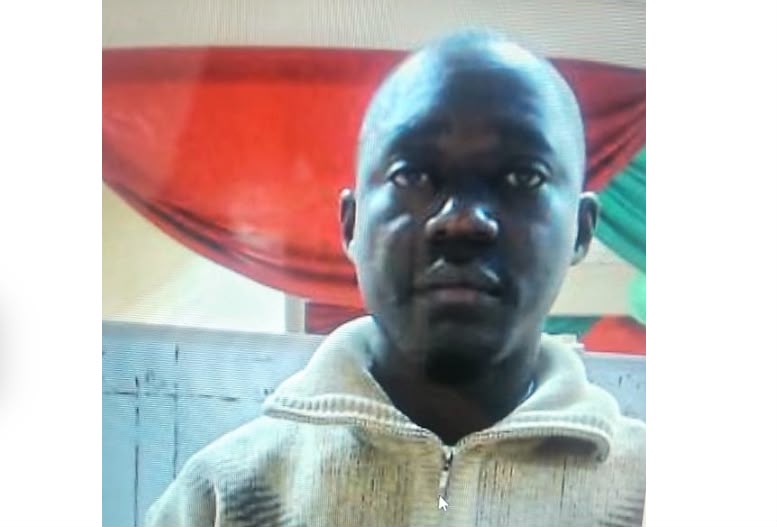
EFCC Arraigns Man for N56.5 Million Hajj Scam in Nigeria
Summary
- The EFCC has arraigned a man for allegedly defrauding individuals of N56.5 million in a Hajj scam.
- The suspect promised potential pilgrims a chance to perform Hajj at a lower cost, but collected their money and failed to deliver.
- The EFCC is seeking to recover the stolen funds and bring the perpetrator to justice.
- The case highlights the growing concern about white-collar crimes in Nigeria, particularly those related to financial scams targeting individuals planning to perform Hajj.
What Happened
The EFCC's action highlights the growing concern about white-collar crimes in Nigeria, particularly those related to financial scams targeting individuals planning to perform Hajj.
The Economic and Financial Crimes Commission (EFCC) has arraigned a man for allegedly defrauding individuals of N56.5 million in a Hajj scam. The suspect, whose name is not provided in the report, was arrested by the EFCC after several complaints were made about the scam. According to sources, the suspect had promised potential pilgrims a chance to perform Hajj at a significantly lower cost than usual, but instead, he collected their money and failed to deliver on his promises. The EFCC has charged the suspect with multiple counts of fraud and is seeking to recover the stolen funds.
Legal Context
The EFCC's action highlights the growing concern about white-collar crimes in Nigeria, particularly those related to financial scams targeting individuals planning to perform Hajj. The Hajj pilgrimage is a significant event for many Nigerians, and scammers often take advantage of this by promising unrealistic deals or services. In recent years, there have been several cases of Hajj-related scams reported in the country, with victims losing millions of naira. The EFCC's efforts to bring these perpetrators to justice are crucial in protecting vulnerable individuals from financial exploitation.
Why It Matters
The arraignment of the suspect by the EFCC serves as a warning to potential scammers and highlights the need for vigilance among Nigerians. The case also underscores the importance of corporate law in Nigeria, which aims to regulate business activities and protect consumers from financial exploitation. As the Hajj season approaches, it is essential for individuals planning to perform the pilgrimage to exercise caution when dealing with any transactions or services related to the event. Lawyers should be aware of the potential for Hajj-related financial scams and advise their clients accordingly.
Practical Implications
Lawyers should be aware of the potential for Hajj-related financial scams and advise clients to exercise caution when dealing with such transactions.
Source
Source: Original reporting via Briefly
How does this affect you?
Get an AI analysis of this article grounded in your jurisdictions, practice areas, and any policy documents you've uploaded to Wansom.
Wansom is AI and can make mistakes.