
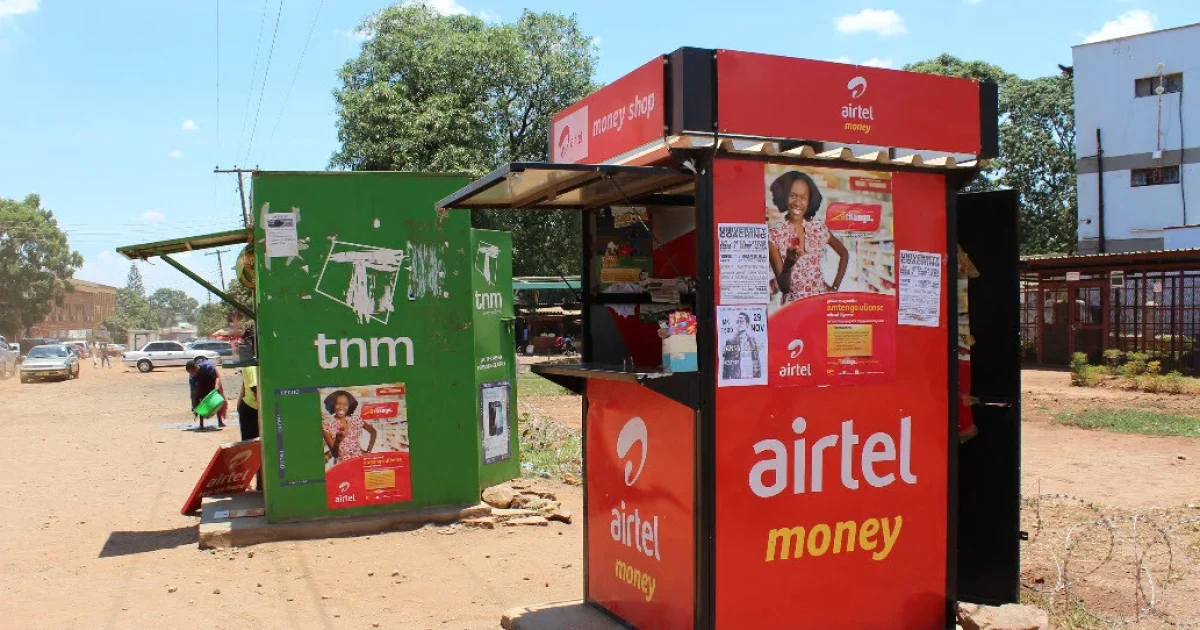
Ecama: Calls for Reduction in Malawi Mobile Money Fees
Summary
- The Economics Association of Malawi (Ecama) has stated that mobile money transactions in Malawi are more expensive than in other countries.
- Ecama has called for reforms to reduce these transaction charges.
- Lower charges would make digital financial services more affordable.
- Reducing costs would also benefit low-income earners by making sending and receiving money cheaper.
Ecama Calls for Reform
For low-income earners, who frequently rely on digital platforms for remittances, bill payments, and other essential transactions, the current high costs represent a significant barrier to full financial participation and economic stability.
The Economics Association of Malawi (Ecama) has recently issued a strong statement regarding the pricing structure of mobile money transactions across the nation. The influential economic body has publicly advocated for significant reforms aimed at decreasing these transaction charges, asserting that current costs are disproportionately high when compared to international benchmarks. This call for action from Ecama signals a growing concern within economic circles about the accessibility and affordability of digital financial services in Malawi.
Ecama's recommendations underscore a critical need for policy adjustments that would directly impact the operational models and pricing strategies of mobile money operators. The association's stance is not merely an observation but a direct appeal for intervention, highlighting that the prevailing mobile money fees in Malawi are impeding the full potential of digital finance. This intervention, according to Ecama, is essential to foster a more inclusive financial ecosystem where transaction costs do not act as a barrier to participation.
The Current Landscape and Economic Impact
Malawi's digital financial services sector, particularly its mobile money segment, is currently characterized by transaction costs that Ecama identifies as elevated when benchmarked against international standards. This assessment forms the core of Ecama's argument for regulatory and industry-led intervention, suggesting that the prevailing mobile money charges in Malawi are creating an affordability gap that hinders broader financial inclusion. The association's analysis points to a situation where the cost of utilizing these essential services is higher than what is typically observed in other comparable markets.
The Economics Association of Malawi firmly believes that a substantial reduction in these fees is not just desirable but crucial for cultivating a more accessible and equitable financial environment for all Malawians. Such a strategic move, according to Ecama, would directly contribute to making Malawi digital financial services more attainable for a broader segment of the population, thereby stimulating economic activity and reducing reliance on less efficient traditional financial methods. The current pricing structure, in Ecama's view, limits the transformative potential of mobile money.
Why It Matters for Consumers and the Market
The primary motivation behind Ecama's recommendations for Malawi transaction fees reform is to alleviate the financial burden on consumers, particularly those within low-income brackets who are most sensitive to transaction costs. The organization emphasizes that lowering mobile money charges Malawi would directly translate into a reduced cost for individuals to send and receive money, a fundamental aspect of daily financial life and economic participation for a significant portion of the population. This reduction in cost is seen as a vital step towards enhancing the economic welfare of ordinary citizens.
For low-income earners, who frequently rely on digital platforms for remittances, bill payments, and other essential transactions, the current high costs represent a significant barrier to full financial participation and economic stability. Ecama's advocacy highlights the potential for these reforms to not only enhance affordability but also to stimulate greater adoption and utilization of digital financial services across Malawi. Ultimately, the association argues that making mobile money more affordable will foster a more robust digital economy, benefiting the nation's overall development and ensuring that financial services are truly inclusive.
Practical Implications
Lawyers advising mobile money operators and fintech companies in Malawi should monitor potential regulatory changes regarding transaction fees, as calls for reform from influential bodies like Ecama signal increased scrutiny on pricing structures and consumer affordability, which could lead to new compliance obligations or pricing caps.
Source
Source: Original reporting via Malawi24
How does this affect you?
Get an AI analysis of this article grounded in your jurisdictions, practice areas, and any policy documents you've uploaded to Wansom.
Finish Reading the Full Story and the Expert Analysis.
Get the latest legal & regulatory intelligence in Malawi
Wansom is AI and can make mistakes.