
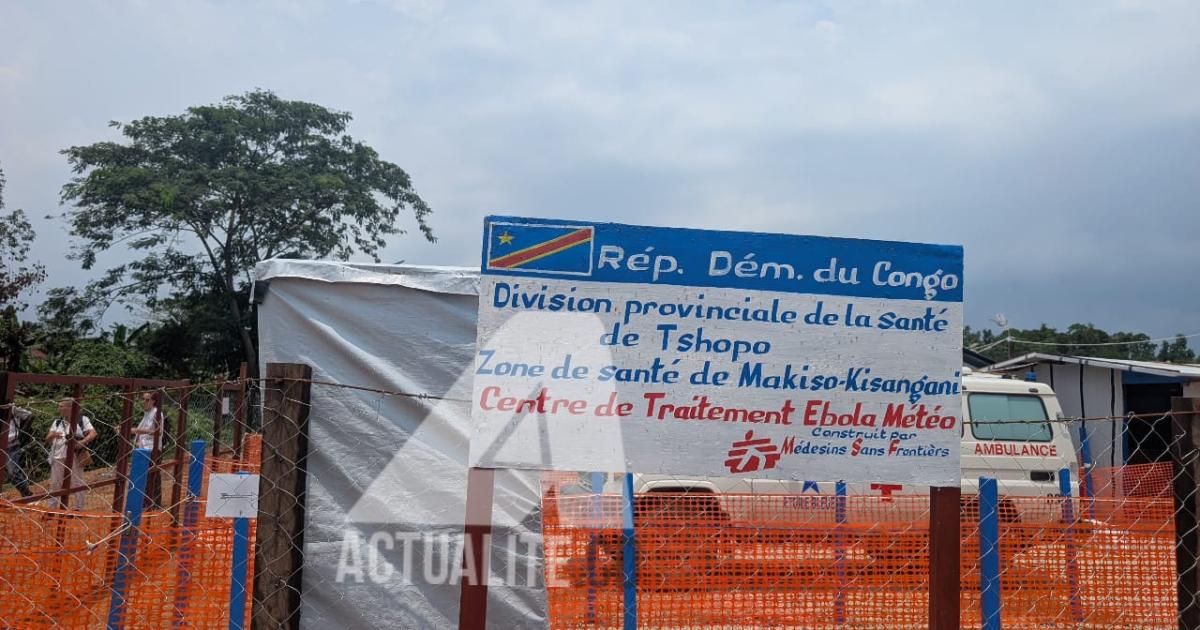
Kisangani, Tshopo: 12-Day-Old Infant Dies From Ebola
Summary
- A 12-day-old infant died from Ebola at a treatment center in Kisangani, Tshopo province.
- The infant passed away on Tuesday, November 17, 2026.
- The newborn had been admitted to the Kisangani Ebola treatment center eight days after its birth.
- This tragic event underscores the extreme vulnerability of neonates to the Ebola virus.
- The incident highlights the ongoing public health challenges in the Democratic Republic of Congo.
A Young Life Lost to Ebola
The rapid progression of the disease in such a young patient underscores the extreme vulnerability of neonates to the Ebola virus.
The city of Kisangani, located within the Tshopo province of the Democratic Republic of Congo, recently bore witness to a profound tragedy as a 12-day-old infant died from Ebola. This devastating event occurred on Tuesday, November 17, 2026, at the Kisangani Ebola treatment center, where the newborn had been receiving critical care. The infant's struggle against the deadly virus began remarkably early in life, having been brought to the specialized facility just eight days after its birth.
The rapid progression of the disease in such a young patient underscores the extreme vulnerability of neonates to the Ebola virus. Despite the concerted efforts of medical professionals at the treatment center, the infant's condition deteriorated, culminating in its untimely death. This Kisangani Ebola treatment center fatality serves as a stark reminder of the severe challenges inherent in managing Ebola cases, particularly when they involve the most fragile members of the population. The circumstances surrounding the infant's exposure and subsequent illness highlight the persistent public health risks present in the region.
The Broader Public Health Challenge
The death of an infant from Ebola in Tshopo province is not merely an isolated incident but reflects a broader, persistent public health crisis in the Democratic Republic of Congo. Ebola outbreaks, characterized by their high fatality rates and rapid transmission, pose an immense threat, especially to communities with limited healthcare infrastructure. The vulnerability of newborns, whose immune systems are still developing, makes them particularly susceptible to severe outcomes when infected with such a potent pathogen. This specific case in Kisangani brings into sharp focus the critical need for early detection, rapid response, and specialized care tailored to the unique needs of pediatric patients in outbreak zones.
Efforts to control the spread of Ebola in the DRC have been ongoing for years, involving international and local health organizations. However, challenges such as community mistrust, insecurity, and logistical hurdles often impede effective intervention. The Tshopo Ebola outbreak infant death highlights the continuous struggle to protect every life, from the very beginning, against a disease that respects no age. It also emphasizes the importance of robust surveillance systems to identify cases quickly and prevent further transmission within families and communities, which is paramount in preventing more instances of Ebola infant mortality in Congo.
Implications for Regional Disease Control
The tragic passing of the infant in Kisangani carries significant implications for regional disease control strategies and public health initiatives across the Democratic Republic of Congo. Each Ebola fatality, particularly among the most vulnerable demographics, reinforces the urgency of strengthening healthcare systems and community engagement. The fact that the infant was admitted to a dedicated Ebola treatment center eight days post-birth suggests either maternal transmission or very early postnatal exposure, both scenarios demanding meticulous investigation and targeted preventative measures.
This event serves as a critical data point for public health officials, informing future strategies for outbreak response in areas like Tshopo. Understanding the pathways of transmission to newborns is vital for developing more effective vaccination campaigns, improving infection prevention and control practices in healthcare settings, and enhancing community education. The ongoing fight against Ebola in the DRC requires sustained international support and a localized approach to overcome the multifaceted challenges, ensuring that such a devastating loss of life, especially among infants, becomes increasingly rare.
Practical Implications
This story reports a tragic public health event and does not present a direct, actionable legal or compliance implication for lawyers or compliance officers.
Source
How does this affect you?
Get an AI analysis of this article grounded in your jurisdictions, practice areas, and any policy documents you've uploaded to Wansom.
Finish Reading the Full Story and the Expert Analysis.
Get the latest legal & regulatory intelligence in DR Congo
Wansom is AI and can make mistakes.