
Eastern Equatoria: Anti-GBV Bill Review Underway for New Law
Summary
- A two-day public consultation is underway in Eastern Equatoria State, South Sudan, for a draft Anti-Gender-Based Violence (GBV) Bill.
- The bill aims to prevent GBV, protect survivors, and establish stronger legal accountability for perpetrators.
- Organized by IWEO, NCA, Women-Led Network, and the State Ministry of Gender, the consultation seeks broad community input.
- Officials emphasized the need to address harmful cultural practices and adapt the legislation to local realities.
- The process will continue despite the state parliament's current non-functioning status, preparing the bill for future enactment.
Consultation on New Anti-GBV Bill Underway
He stressed that active participation in the consultation ensures that the community takes ownership of the bill, making it more effective than presenting a finalized document without prior input.
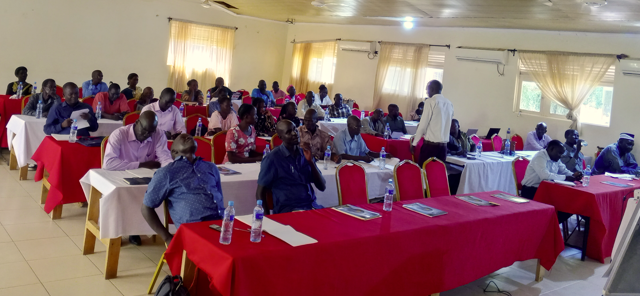
A two-day public consultation has commenced in Eastern Equatoria State, South Sudan, focusing on a proposed Anti-Gender-Based Violence (GBV) Bill. This critical review process, held at Hotel Torit, aims to enhance legal protections for survivors of violence and establish robust mechanisms for holding perpetrators accountable. The initiative underscores a collective effort by various stakeholders to address the pervasive issue of gender-based abuse within the region.
The consultation, which began on Thursday and is slated to conclude on Friday, is a collaborative undertaking. It has been organized by the Itwak Women Empowerment Organization (IWEO) in conjunction with Norwegian Church Aid (NCA), the Women-Led Network, and the Eastern Equatoria State Ministry of Gender, Child and Social Welfare. These organizations are working to ensure that the new Eastern Equatoria Anti-GBV Bill review process is comprehensive and inclusive, reflecting the diverse needs of the community.
Strengthening Legal Frameworks and Community Ownership
The draft legislation seeks to prevent gender-based violence, safeguard survivors, and create a more effective legal structure for accountability. Ochan Dominic, representing IWEO, highlighted that while the development of this South Sudan Anti-GBV legislation began earlier with support from the Women-Led Network, it experienced delays before partners successfully revived the process. He emphasized the importance of public engagement in this phase, asserting that it is crucial for securing community ownership of the proposed law, allowing various stakeholders to scrutinize and contribute to its provisions before it advances.
Dominic further clarified that gender-based violence extends beyond physical assault, encompassing verbal abuse and other forms of mistreatment that can occur in various settings, including families, schools, hospitals, and workplaces. He stressed that active participation in the consultation ensures that the community takes ownership of the bill, making it more effective than presenting a finalized document without prior input. This inclusive approach is expected to foster broader support and facilitate communication of the bill's significance to the wider population.
Addressing Cultural Norms and Local Realities
Idwa Dominica Vitale, Director General in the Eastern Equatoria State Ministry of Gender, Child and Social Welfare, urged participants to openly discuss harmful cultural practices and deeply ingrained gender stereotypes that have contributed to the normalization of violence within communities. She characterized the proposed Eastern Equatoria gender-based violence law as an essential legal framework designed to guide conduct across families, workplaces, and communities. Vitale underscored the necessity for Eastern Equatoria to tailor the proposed South Sudan women's rights bill to its specific local realities, taking into account the state's diverse cultural practices and traditions.
Vitale pointed out that certain harmful practices have become normalized due to cultural beliefs, leading victims to sometimes accept abuse as an inherent right or obligation within relationships. She encouraged full participation in the consultation, asking attendees to present cultural elements for examination to distinguish between beneficial and detrimental practices. The ministry official also recommended expanding these consultations to grassroots communities to ensure that perspectives from all ethnic and cultural groups throughout Eastern Equatoria are incorporated into the final legislation.
Path Forward for the Legislation
Despite the current non-functioning status of the state parliament, Ochan Dominic affirmed that the consultation process for the Eastern Equatoria Anti-GBV Bill review should continue. This ensures that the bill can progress efficiently once the legislative body resumes its operations. The ongoing IWEO Anti-GBV consultation is therefore a proactive step, laying the groundwork for future legal implementation.
The commitment to continuing the review process, even with parliamentary challenges, highlights the urgency and importance placed on establishing this legal framework. By engaging diverse voices now, the stakeholders aim to create a robust and locally relevant law that can effectively combat gender-based violence across Eastern Equatoria State.
Practical Implications
Lawyers and compliance officers operating in Eastern Equatoria, South Sudan, should closely monitor the ongoing public consultation and eventual enactment of the Anti-Gender-Based Violence Bill. This legislation will introduce new legal frameworks for preventing GBV, protecting survivors, and holding perpetrators accountable, potentially impacting corporate compliance, employment policies, and criminal defense strategies within the state.
Source
How does this affect you?
Get an AI analysis of this article grounded in your jurisdictions, practice areas, and any policy documents you've uploaded to Wansom.
Wansom is AI and can make mistakes.