
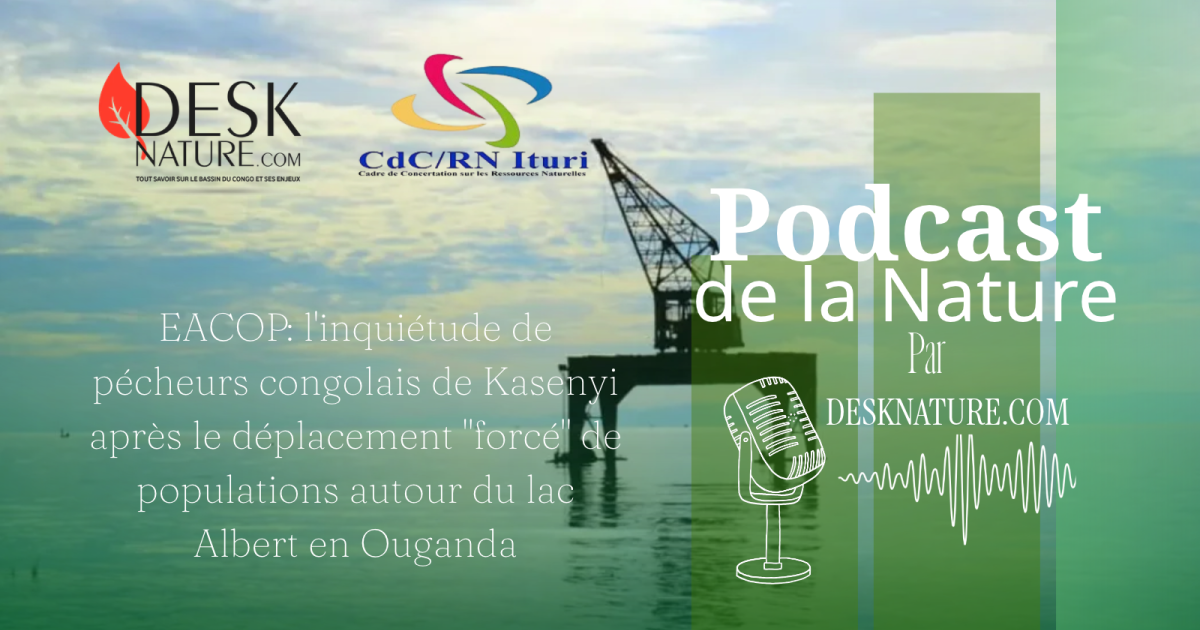
Congolese Fishermen: EACOP Displacement Sparks Lake Albert Fears
Summary
- Congolese fishermen in Kasenyi, Ituri province, are worried about their fishing future due to oil exploitation in the Graben.
- Their concern is heightened by reports of "forced" displacement of populations around Lake Albert in Uganda.
- This displacement is linked to the East African Crude Oil Pipeline (EACOP) project.
- The communities fear that oil activities could impact their livelihoods and environment across the DRC-Uganda border.
- The source reporting these concerns is dated October 26, 2026.
Emerging Concerns in Kasenyi
The reported displacement of communities in Uganda, which has triggered alarm among Congolese fishermen in Kasenyi, underscores complex legal and ethical considerations inherent in large-scale energy projects like the East African Crude Oil Pipeline.
The fishing communities residing along the shores of Lake Albert in Kasenyi, located within the Irumu territory of the Bahema Sud chiefdom in the Democratic Republic of Congo's Ituri province, are expressing significant apprehension regarding the future viability of their traditional livelihoods. This deep-seated worry stems directly from ongoing oil exploitation activities within the Graben region, which they fear will irrevocably alter their environment and way of life.
A primary catalyst for this growing unease among the Congolese fishermen is the reported "forced" displacement of populations situated around Lake Albert on the Ugandan side of the border. This displacement, linked to the broader East African Crude Oil Pipeline (EACOP) project, has created a palpable sense of insecurity among their cross-border counterparts, raising questions about the potential for similar impacts on their own communities and fishing grounds.
The concerns articulated by these communities highlight a critical cross-border dimension to the large-scale energy infrastructure development. While the immediate displacements are reported in Uganda, the interconnected nature of Lake Albert means that environmental and social repercussions could easily transcend national boundaries, directly affecting the rights and resources of communities in the DRC. The source reporting these events is dated October 26, 2026.
Cross-Border Legal Implications
The reported displacement of communities in Uganda, which has triggered alarm among Congolese fishermen in Kasenyi, underscores complex legal and ethical considerations inherent in large-scale energy projects like the East African Crude Oil Pipeline. While the source does not detail specific legal challenges, the very notion of "forced" displacement raises fundamental questions about land rights, compensation, and due process for affected populations. The cross-border nature of Lake Albert means that activities on one side can have significant repercussions on the other, potentially implicating international principles related to shared natural resources and transboundary environmental impact assessments.
The anxieties expressed by the fishing communities in the Irumu territory regarding the future of their fishing activities directly relate to their customary rights to livelihood and access to natural resources. Oil exploitation in the Graben, particularly when associated with population displacement, necessitates a robust framework for safeguarding the rights of indigenous and local communities. This includes ensuring that any development adheres to national and international standards for human rights, environmental protection, and equitable benefit sharing, especially when impacts are felt across national borders.
The situation highlights the need for comprehensive legal and regulatory oversight that extends beyond national jurisdictions to address the potential for DRC Uganda cross-border displacement and environmental degradation. The concerns of the Kasenyi fishing community rights, therefore, become a critical barometer for assessing the broader social license and legal compliance of the entire EACOP project, particularly concerning its indirect impacts on neighboring states.
Broader Regional Significance
The apprehension voiced by the Congolese fishermen of Kasenyi regarding the East African Crude Oil Pipeline and associated Lake Albert oil exploitation represents more than just a localized concern; it signifies a broader regional challenge. The development of significant oil reserves in the Graben region, while promising economic benefits for some, simultaneously poses substantial risks to the ecological balance of shared natural resources and the traditional livelihoods dependent on them. The reported displacement in Uganda serves as a stark reminder of the potential human cost of such large-scale industrial endeavors.
The Irumu territory oil impact, as perceived by its residents, could destabilize communities that have relied on Lake Albert's resources for generations. The fear of losing access to fishing grounds or experiencing environmental degradation from oil operations directly threatens food security and economic stability for thousands. This situation necessitates careful consideration of the long-term social and environmental sustainability of the EACOP project, extending its scope of responsibility to communities indirectly affected across national borders.
Ultimately, the concerns of the Kasenyi fishing community underscore the critical importance of transparent engagement, robust environmental and social impact assessments, and effective grievance mechanisms that are accessible to all affected parties, regardless of their national origin. The future of these communities, intertwined with the health of Lake Albert, serves as a crucial case study for how major cross-border infrastructure projects manage their responsibilities towards vulnerable populations and shared ecosystems in the Great Lakes region.
Practical Implications
Lawyers advising companies involved in the EACOP project or similar cross-border infrastructure developments should assess and mitigate legal and reputational risks arising from community displacement and environmental impacts, particularly concerning the rights of affected populations in neighboring jurisdictions like the DRC.
Source
How does this affect you?
Get an AI analysis of this article grounded in your jurisdictions, practice areas, and any policy documents you've uploaded to Wansom.
Finish Reading the Full Story and the Expert Analysis.
Wansom is AI and can make mistakes.