
EACC: Stronger Oversight Of Public Funds In Kenya Urged
Summary
- The Ethics and Anti-Corruption Commission (EACC) has urged for enhanced coordination among independent oversight bodies in Kenya.
- This initiative aims to boost accountability, transparency, and the prudent use of public resources.
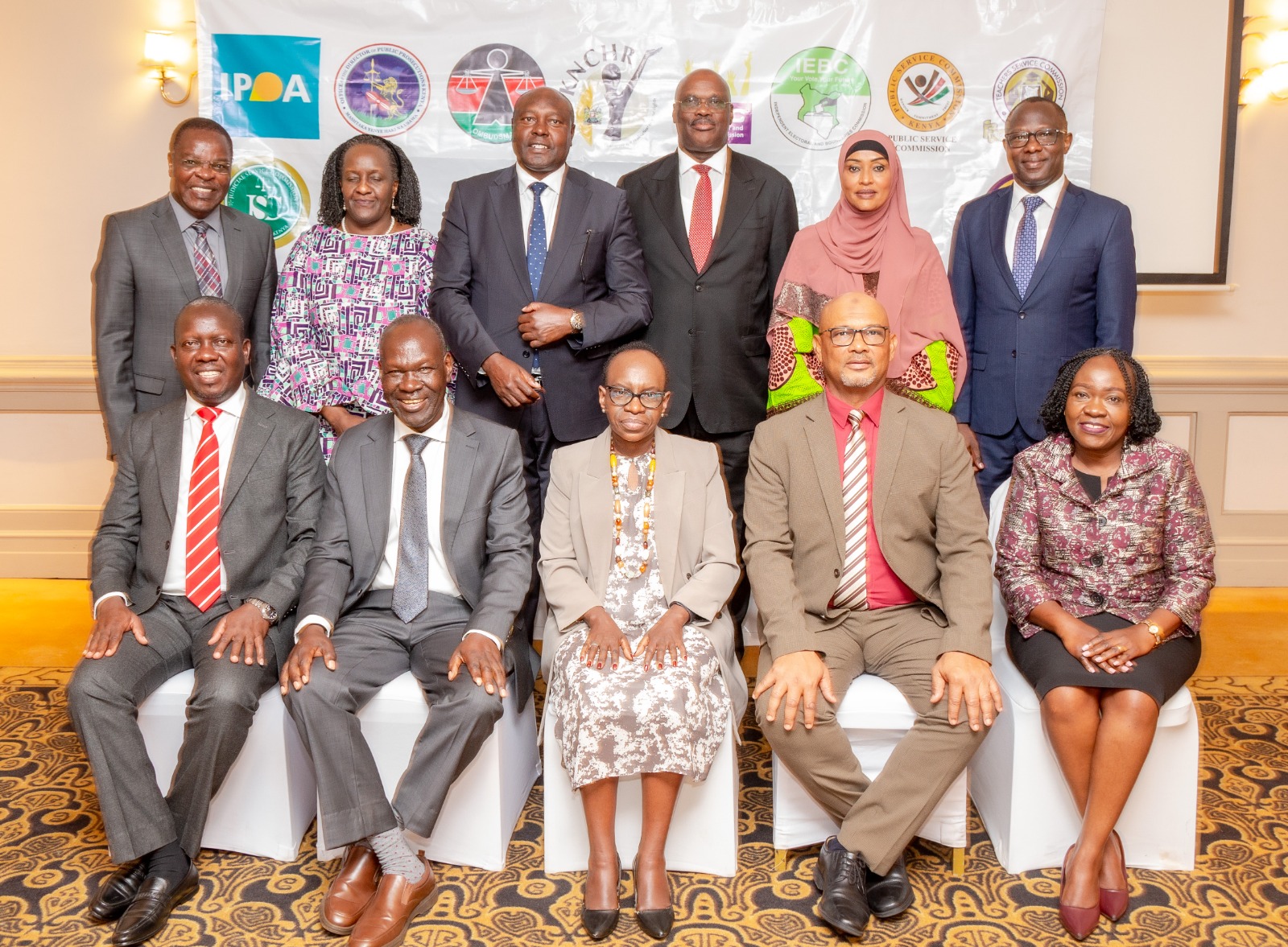
- EACC Chairperson Dr. David Oginde attended a consultative meeting of the Heads of Commissions and Independent Offices (CCIO) on October 13, 2026.
- The meeting focused on discussing methods to strengthen oversight mechanisms for public funds.
- This move indicates a potential for increased scrutiny and enforcement regarding public resource management in Kenya.
What Happened
This development underscores the critical need for robust internal controls and comprehensive compliance frameworks to ensure adherence to financial regulations and ethical standards in all dealings involving public money.
The Ethics and Anti-Corruption Commission (EACC) recently advocated for enhanced collaboration among Kenya's independent oversight institutions. This call, aimed at fostering greater accountability, transparency, and the judicious management of public funds, emerged from a significant consultative gathering. EACC Chairperson Dr. David Oginde was a key participant in this meeting, underscoring the commission's commitment to the initiative and its vision for more effective governance.
The gathering, held on Tuesday, October 13, 2026, brought together the Heads of Commissions and Independent Offices (CCIO). The primary agenda for this high-level assembly was to deliberate on strategies to reinforce the existing oversight mechanisms and ensure the integrity of public resource allocation and expenditure. This proactive stance by the EACC signals a concerted effort towards achieving stronger oversight of public funds in Kenya, emphasizing a unified approach to combating corruption and ensuring public resource integrity across all levels of government.
Legal Context
The Ethics and Anti-Corruption Commission (EACC) plays a pivotal role in Kenya's governance framework, mandated to combat corruption and economic crime through investigations, prevention, and public education. Its functions are critical for upholding Kenya public resource accountability and ensuring that public funds are utilized for their intended purposes, free from malfeasance. The commission's recent call for improved coordination among oversight bodies aligns directly with its broader objective of strengthening the institutional capacity to prevent and investigate corruption across various government sectors, thereby safeguarding national assets.
Independent oversight institutions, including those represented within the Heads of Commissions and Independent Offices (CCIO), are fundamental pillars of good governance in Kenya, designed to provide checks and balances on executive power and public spending. Their collective strength and coordinated efforts are essential for effective Kenya anti-corruption coordination, creating a more formidable front against illicit financial activities. By working together, these bodies can establish a more robust system for monitoring the use of Ethics Anti-Corruption Commission public funds, thereby enhancing the overall integrity of public financial management and significantly reducing opportunities for misappropriation and fraud.
Why It Matters
This push by the EACC for stronger oversight in the management of public funds carries significant implications for both public sector entities and private companies operating within Kenya, particularly those involved in government contracts or receiving public allocations. It signals an environment of heightened scrutiny and a potential for increased enforcement actions against those found to be mismanaging or illicitly benefiting from public resources. The emphasis on coordination among independent bodies, championed by figures like Dr. David Oginde, suggests a more unified, efficient, and formidable front against corruption, making it harder for illicit activities to go undetected.
Consequently, organizations engaging with public funds in Kenya should anticipate a more rigorous regulatory landscape and a lower tolerance for non-compliance. This development underscores the critical need for robust internal controls and comprehensive compliance frameworks to ensure adherence to financial regulations and ethical standards in all dealings involving public money. The collective resolve demonstrated by the EACC and the CCIO members indicates a sustained commitment to safeguarding public resources, making proactive compliance measures and a thorough understanding of anti-corruption laws more important than ever for all stakeholders.
Practical Implications
Lawyers and compliance officers advising public sector entities or private companies engaging with public funds in Kenya should anticipate heightened scrutiny and potential for increased enforcement actions, necessitating a review of internal controls and compliance frameworks related to public resource management.
Source
How does this affect you?
Get an AI analysis of this article grounded in your jurisdictions, practice areas, and any policy documents you've uploaded to Wansom.
Finish Reading the Full Story and the Expert Analysis.
Get the latest legal & regulatory intelligence in Kenya
Wansom is AI and can make mistakes.