
EACC Kenya: Urges Greater CCIO Public Accountability
Summary
- The Ethics and Anti-Corruption Commission (EACC) has called for enhanced coordination among Kenya's independent oversight institutions.
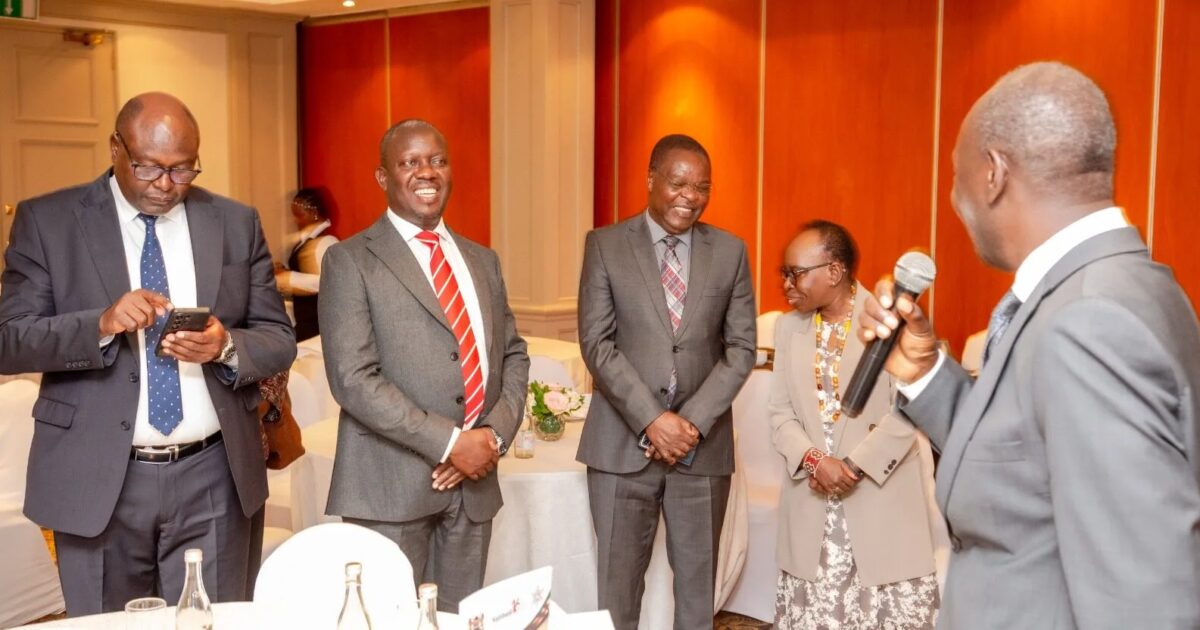
- EACC Chairperson David Oginde met with heads of Commissions and Independent Offices (CCIO) to discuss strengthening cooperation.
- Auditor-General Nancy Gathungu, who chairs the CCIO, led discussions focused on public accountability and responsible resource management.
- The initiative aims to improve public service delivery, uphold ethical standards, and ensure transparent use of public funds.
- This collaboration seeks to address shared challenges and reinforce good governance across Kenya's public sector.
What Happened
By working in concert with other independent oversight bodies, the Ethics and Anti-Corruption Commission believes it can more effectively safeguard public resources, uphold stringent ethical standards, and guarantee that the Kenya public service governance framework is consistently guided by principles of transparency, responsibility, and the overarching public interest.
The Ethics and Anti-Corruption Commission (EACC) has recently advocated for enhanced collaboration among Kenya's independent oversight institutions, signaling a strategic shift towards a more unified approach to combating corruption and mismanagement. This call aims to foster greater accountability, transparency, and the judicious utilization of public resources across the nation. EACC Chairperson David Oginde participated in a crucial consultative meeting with the heads of various Commissions and Independent Offices (CCIO) on a Tuesday, focusing on strategies to bolster inter-institutional cooperation and elevate the standard of public service delivery. The gathering represented a significant step in aligning the efforts of disparate bodies towards a common goal of improved governance.
Auditor-General Nancy Gathungu, who also chairs the CCIO, presided over this significant gathering, bringing together leaders from key independent constitutional bodies. The discussions primarily revolved around critical aspects of public accountability, the establishment of sound governance principles, and the responsible management of public funds. This proactive engagement underscores a concerted effort by key independent bodies in Kenya to address systemic challenges within the public sector, aiming to create a more robust and responsive administrative environment.
Strengthening Oversight and Governance
The meeting served as an essential forum for member institutions to deliberate on shared operational challenges, exchange valuable experiences, and identify new avenues for collaborative action in fulfilling their respective constitutional and statutory mandates. The EACC emphasized that these deliberations underscored the paramount importance of responsible leadership, effective oversight mechanisms, and the preservation of institutional independence as foundational pillars for advancing good governance and ensuring responsive public services throughout Kenya.
The Commissions and Independent Offices (CCIO) framework is specifically designed to facilitate ongoing consultation, foster cooperation, and enable the sharing of best practices among its members on matters of common interest. Through this collaborative platform, these institutions collectively strive to enhance their overall effectiveness, address prevalent challenges, and amplify their joint contribution to upholding constitutionalism, promoting robust public accountability, and ultimately improving the delivery of essential services to the Kenyan populace. This structured interaction is crucial for developing consistent standards and approaches across the oversight landscape.
The Imperative for Public Accountability
This renewed push for stronger coordination among oversight bodies comes at a critical juncture when public institutions in Kenya are under increasing pressure to demonstrate heightened accountability and ensure that public resources are managed with utmost transparency and in the best interest of citizens. The collective efforts of the EACC and the CCIO are geared towards reinforcing these demands, creating a more unified front against corruption and mismanagement that can more effectively deter illicit activities and promote ethical conduct.
By working in concert with other independent oversight bodies, the Ethics and Anti-Corruption Commission believes it can more effectively safeguard public resources, uphold stringent ethical standards, and guarantee that the Kenya public service governance framework is consistently guided by principles of transparency, responsibility, and the overarching public interest. This collaborative approach is seen as vital for building public trust, enhancing the integrity of government operations, and ultimately fostering a more accountable public sector for all Kenyans.
Practical Implications
Lawyers advising public sector entities or private companies engaging with government should anticipate heightened scrutiny and enforcement actions from a more coordinated front of independent oversight bodies. This necessitates a proactive review of compliance frameworks, ethical guidelines, and public resource management practices to mitigate risks of investigation or prosecution.
Source
How does this affect you?
Get an AI analysis of this article grounded in your jurisdictions, practice areas, and any policy documents you've uploaded to Wansom.
Finish Reading the Full Story and the Expert Analysis.
Get the latest legal & regulatory intelligence in Kenya
Wansom is AI and can make mistakes.