
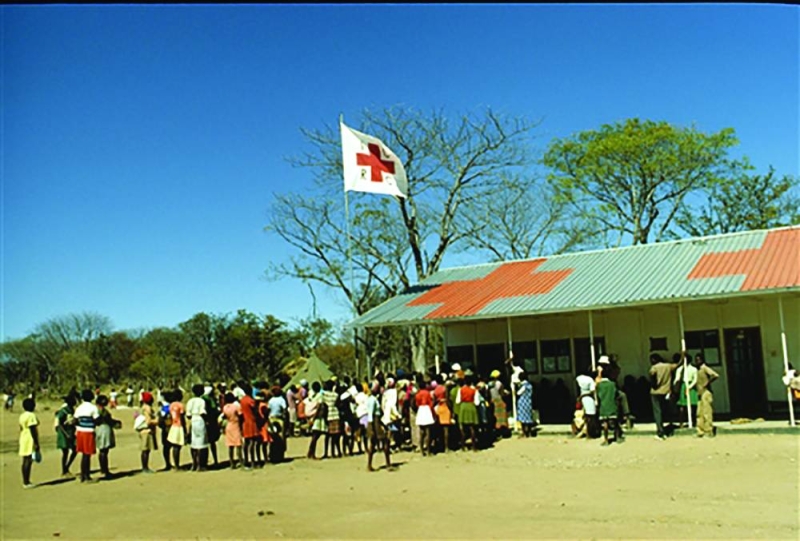
2026 Trafficking Report: Dukwi Refugee Camp Trafficking Hotspot Botswana
Summary
- Dukwi Refugee Camp in Botswana's Central District has been identified as a human trafficking hotspot.
- The 2026 Trafficking in Persons Report details the exploitation of child refugees in sex trafficking.
- These trafficking activities are occurring specifically around the refugee camp.
- The report's findings underscore significant vulnerabilities among the camp's child refugee population.
What Happened
The identification of child refugees as primary victims of sex trafficking around the Dukwi camp highlights a profound humanitarian crisis and a severe breach of fundamental human rights.
The Dukwi Refugee Camp, located in Botswana’s Central District, has been officially designated as a significant hub for human trafficking. This concerning classification is based on information presented in the 2026 Trafficking in Persons Report. The report specifically details the exploitation of child refugees, who are being subjected to sex trafficking activities occurring in the immediate vicinity of the camp.
This revelation brings to light a critical vulnerability within the refugee population residing at Dukwi. The identification of the camp as a "trafficking hotspot" by the 2026 report indicates a concentrated area where such illicit activities are prevalent, thereby posing severe risks to its most susceptible residents. The explicit focus on child refugees as victims of sex trafficking around the camp points to a targeted and deeply disturbing pattern of exploitation that demands urgent attention.
Legal and Regulatory Context
The designation of Dukwi Refugee Camp as a trafficking hotspot by the 2026 Trafficking in Persons Report carries substantial weight within the international anti-trafficking community. Such reports typically serve as authoritative assessments of global efforts to combat modern slavery, highlighting regions where protective measures are insufficient or where criminal networks are particularly active. The inclusion of Dukwi in this context signals a recognized failure in safeguarding vulnerable populations within its borders.
While the source does not elaborate on specific legal frameworks, the very existence of a "Trafficking in Persons Report" implies an underlying international and national commitment to combating human trafficking. The report's findings, therefore, serve as a critical indicator for governments, non-governmental organizations, and international bodies regarding the urgent need for intervention and strengthened protective mechanisms. This designation effectively flags the camp as an area requiring immediate and comprehensive anti-trafficking responses, aligning with broader human rights obligations.
Why It Matters
The identification of child refugees as primary victims of sex trafficking around the Dukwi camp highlights a profound humanitarian crisis and a severe breach of fundamental human rights. Children, by their very nature, are among the most vulnerable populations, and their status as refugees further exacerbates their susceptibility to exploitation. The proximity of these activities to the camp itself suggests systemic issues in security and oversight, or the presence of organized criminal elements preying on desperation.
This situation demands immediate attention from all stakeholders involved in refugee protection and humanitarian aid in Botswana. The implications extend beyond the direct victims, potentially undermining the safety and well-being of the entire refugee community and challenging the principles of asylum and international protection. Addressing this trafficking hotspot requires a multi-faceted approach, encompassing enhanced security, robust victim identification and support services, and concerted efforts to dismantle trafficking networks operating in the region.
Practical Implications
Lawyers advising NGOs, international organizations, or individuals involved in refugee assistance in Botswana should be aware of the heightened trafficking risks, particularly for children, at Dukwi Refugee Camp. This development necessitates increased due diligence, robust safeguarding policies, and potential engagement with law enforcement or human rights bodies regarding prevention and victim support.
Source
How does this affect you?
Get an AI analysis of this article grounded in your jurisdictions, practice areas, and any policy documents you've uploaded to Wansom.
Finish Reading the Full Story and the Expert Analysis.
Wansom is AI and can make mistakes.