
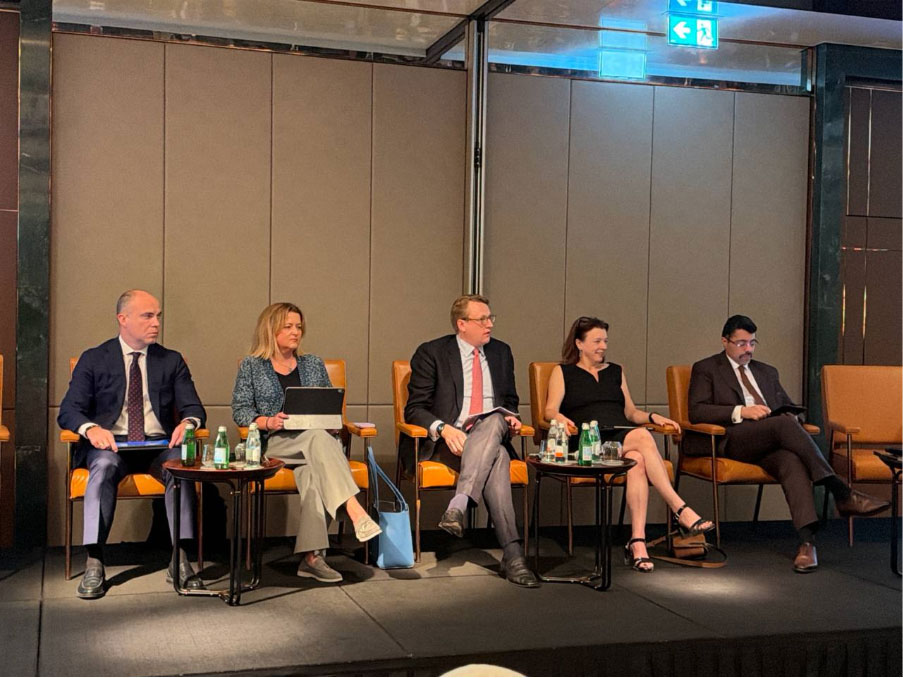
Dubai Arbitration Week 2026: Anti-Suit Injunctions and Tribunal-Court Tensions
Summary
- Leading international arbitration practitioners are convening at Dubai Arbitration Week 2026.
- Key topics for examination include growing tensions between arbitral tribunals and national courts.
- Discussions are focusing on anti-suit injunctions and anti-enforcement injunctions.
- Sanctions-related disputes and challenges in cross-border enforcement are also on the agenda.
- The event highlights critical issues impacting the global landscape of international arbitration.
Key Discussions at Dubai Arbitration Week 2026
For legal professionals advising clients engaged in international commerce and dispute resolution, monitoring the developments and insights shared at events like Dubai Arbitration Week 2026 is essential.
Dubai Arbitration Week 2026 is currently hosting a pivotal gathering of leading international arbitration practitioners, who are delving into some of the most pressing and complex issues facing the global dispute resolution landscape. The agenda highlights a focused examination of several critical areas that underscore the evolving dynamics between different legal systems and the practicalities of international enforcement. This includes a deep dive into the growing tensions observed between arbitral tribunals and national courts, a subject of increasing concern for those navigating cross-border disputes.
A central theme for discussion is the intricate domain of anti-suit injunctions, alongside anti-enforcement injunctions. These legal instruments play a significant role in shaping the jurisdictional boundaries and the effectiveness of arbitral proceedings. Furthermore, the week's discussions extend to the complexities introduced by sanctions-related disputes, an area that has seen considerable growth in recent years due to geopolitical shifts. Attendees are also addressing the persistent challenges associated with securing effective cross-border enforcement of arbitral awards, a cornerstone of the international arbitration system's credibility.
Navigating Jurisdictional Tensions
The examination of growing tensions between arbitral tribunals and national courts forms a cornerstone of the Dubai Arbitration Week 2026 agenda. This inherent friction often arises in the context of parallel proceedings, where parties may seek remedies or challenge arbitral processes in multiple jurisdictions simultaneously. Such scenarios frequently lead to complex legal battles over jurisdiction and the proper scope of judicial intervention in arbitration.
Within this framework, the role and impact of anti-suit injunctions are particularly pertinent. These injunctions, issued by national courts, aim to prevent parties from initiating or continuing proceedings in another forum, including arbitral tribunals or foreign courts. Similarly, anti-enforcement injunctions seek to halt the recognition or enforcement of arbitral awards. The discussions among leading international arbitration practitioners are undoubtedly exploring the delicate balance required to uphold the principle of party autonomy in arbitration while respecting national judicial sovereignty, a critical aspect of managing international arbitration disputes.
Cross-Border Enforcement and Sanctions
Another significant area of focus for practitioners at Dubai Arbitration Week 2026 is the multifaceted challenges of securing effective cross-border enforcement of arbitral awards. Despite international conventions designed to facilitate enforcement, practical obstacles frequently emerge, complicating the finality and efficacy of arbitration. These challenges can range from procedural hurdles in different national legal systems to substantive objections raised against the award itself.
Adding a layer of contemporary complexity to enforcement issues are sanctions-related disputes. The imposition of international sanctions can profoundly impact ongoing arbitrations and the subsequent enforcement of awards, creating new legal and practical dilemmas. Practitioners are examining how sanctions regimes influence contractual obligations, payment mechanisms, and the ability to execute judgments or awards across borders, highlighting the need for sophisticated strategies to navigate these intricate international arbitration disputes sanctions.
Why These Issues Matter for International Arbitration
The comprehensive agenda for Dubai Arbitration Week 2026 underscores the dynamic and often contentious environment in which international arbitration operates today. The decision by leading international arbitration practitioners to specifically examine topics such as anti-suit injunctions, parallel proceedings, and the evolving tensions between arbitral tribunals and national courts reflects their critical importance to the field. These discussions are not merely academic; they directly impact the predictability, efficiency, and ultimate enforceability of arbitral awards globally.
For legal professionals advising clients engaged in international commerce and dispute resolution, monitoring the developments and insights shared at events like Dubai Arbitration Week 2026 is essential. Understanding the nuances of cross-border enforcement issues, the implications of anti-enforcement injunctions arbitration, and the strategic considerations surrounding sanctions-related disputes is crucial for developing robust dispute resolution strategies. This proactive engagement ensures that practitioners can effectively guide clients through the complexities of international arbitration, mitigating risks and safeguarding their interests in an increasingly interconnected legal landscape.
Practical Implications
Lawyers advising clients on international arbitration should monitor developments discussed at events like Dubai Arbitration Week 2026, particularly concerning anti-suit injunctions, parallel proceedings, and cross-border enforcement. Understanding these evolving tensions between arbitral tribunals and national courts is critical for effective dispute resolution strategy and risk management in complex cross-jurisdictional cases.
Source
Source: Original reporting via SCC Times
How does this affect you?
Get an AI analysis of this article grounded in your jurisdictions, practice areas, and any policy documents you've uploaded to Wansom.
Finish Reading the Full Story and the Expert Analysis.
Get the latest legal & regulatory intelligence in India
Wansom is AI and can make mistakes.