
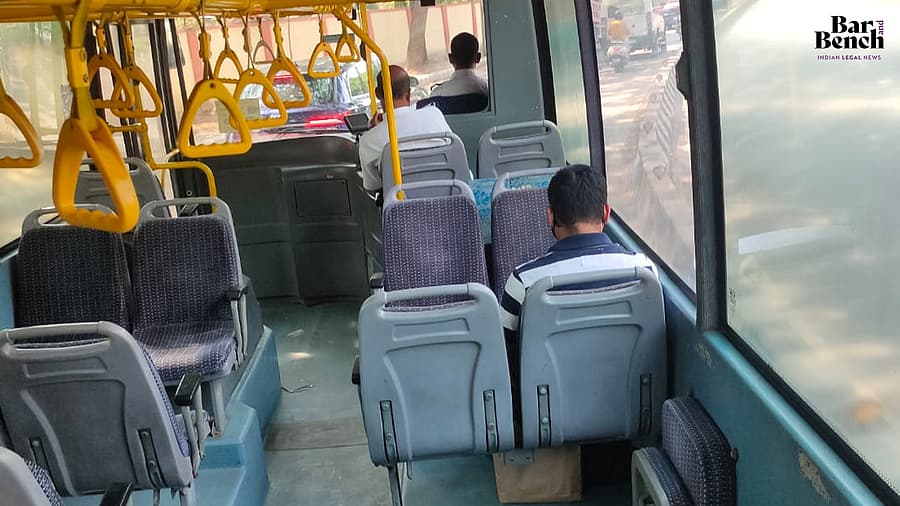
Delhi High Court: DTC Drivers Strike PIL Seeks Essential Services Restoration
Summary
- A Public Interest Litigation has been filed in the Delhi High Court challenging the ongoing strike by Delhi Transport Corporation (DTC) workers.
- The strike, initiated on September 15, is driven by demands for increased wages and other benefits for bus drivers, conductors, and associated personnel.
- Petitioner Ami Sisodia highlights the personal financial burden and widespread disruption to essential public transport affecting various demographics.
- The PIL seeks urgent judicial directives for the restoration, maintenance, and continuity of public bus services across Delhi.
- The case, Ami Sisodia vs Government of NCT of Delhi, is scheduled to be heard by Chief Justice Devendra Kumar Upadhyaya and Justice Tejas Karia.
The Legal Challenge Unfolds
The Public Interest Litigation specifically seeks judicial directives to ensure the urgent restoration, continuous operation, and proper maintenance of Delhi's vital public bus transport network.
A Public Interest Litigation (PIL) has been initiated before the Delhi High Court, addressing the significant disruption caused by an ongoing strike involving Delhi Transport Corporation (DTC) personnel. The petition, filed by Ami Sisodia against the Government of NCT of Delhi & Ors, highlights the severe impact on public transportation services across the capital. This legal action seeks immediate judicial intervention to reinstate essential bus operations, which have been severely hampered by the industrial action.
The case is anticipated to be heard by a division bench comprising Chief Justice Devendra Kumar Upadhyaya and Justice Tejas Karia on Wednesday. The filing of this PIL underscores a growing concern over the accessibility of public services and the legal avenues available to citizens when such services are interrupted. The petitioner, Ami Sisodia, is represented by advocate Vikrant Dabas, who formally submitted the plea to the High Court.
This legal challenge, centered on the DTC drivers strike PIL Delhi High Court, aims to compel authorities to ensure the continuity of public transport, which is a lifeline for millions. The petition frames the strike as an issue of public welfare, necessitating urgent judicial consideration to mitigate the widespread inconvenience and hardship faced by Delhi residents.
Disrupting Essential Services
The industrial action, which commenced on September 15, involves bus drivers, conductors, and other staff crucial to the operation of Delhi's public bus fleet. Their primary demands revolve around an increase in wages and other associated benefits. This prolonged strike has led to a substantial reduction in available public transport, creating a ripple effect across the city's infrastructure and daily life.
The petitioner, Ami Sisodia, personally attests to the strike's impact, noting that as a woman who previously relied on free public transport, she is now forced to incur additional expenses by utilizing more costly alternative modes of commute. Beyond individual hardships, the PIL emphasizes the broader societal consequences, affecting lakhs of residents, including students, daily-wage earners, salaried employees, senior citizens, individuals with disabilities, patients, and economically vulnerable commuters who depend on affordable public transportation.
Furthermore, the absence of regular bus services has placed immense additional pressure on the Delhi Metro network, which is now struggling to accommodate the surge in commuters. This situation highlights the critical role of the DTC in maintaining urban mobility and the cascading effects when such an essential service is disrupted, making the Delhi public transport strike a significant legal challenge.
Seeking Judicial Intervention
The Public Interest Litigation specifically seeks judicial directives to ensure the urgent restoration, continuous operation, and proper maintenance of Delhi's vital public bus transport network. This legal recourse is a direct response to the perceived failure to maintain essential services, which are fundamental to the daily functioning of a metropolitan area like Delhi. The involvement of Chief Justice Devendra Kumar Upadhyaya and Justice Tejas Karia in hearing this matter underscores its importance and the High Court's role in addressing public grievances.
The filing of this PIL, Ami Sisodia vs Government of NCT of Delhi, sets a precedent for how disruptions to essential public services can be legally challenged. It provides a framework for citizens to seek redress when industrial actions impede fundamental rights to mobility and access. The petition, filed through advocate Vikrant Dabas, serves as a crucial legal mechanism to advocate for the public's right to uninterrupted essential services, particularly in the context of a large-scale urban transport system.
Practical Implications
This PIL highlights a legal avenue for challenging disruptions to essential public services, setting a precedent for lawyers advising clients (e.g., businesses, other public bodies, or affected citizens) on the legal implications of strikes or how to seek recourse against service interruptions in Delhi.
Source
How does this affect you?
Get an AI analysis of this article grounded in your jurisdictions, practice areas, and any policy documents you've uploaded to Wansom.
Finish Reading the Full Story and the Expert Analysis.
Get the latest legal & regulatory intelligence in India
Wansom is AI and can make mistakes.